
We were enjoying delicious soups after a morning of hiking and bracing the winds on a boat ride across Red Bay, Labrador when I asked the young server about the polar bear skin hanging on the wall. “They show up here sometimes. In fact, there was one here in April”, she tells us with a matter of fact tone in her voice. I had heard that polar bears on occasion make their way into Labrador and Newfoundland on icebergs that migrate south. So I asked, “What do you do”? She shrugged, “Nothing, it was just passing through. Can I get you some dessert?”
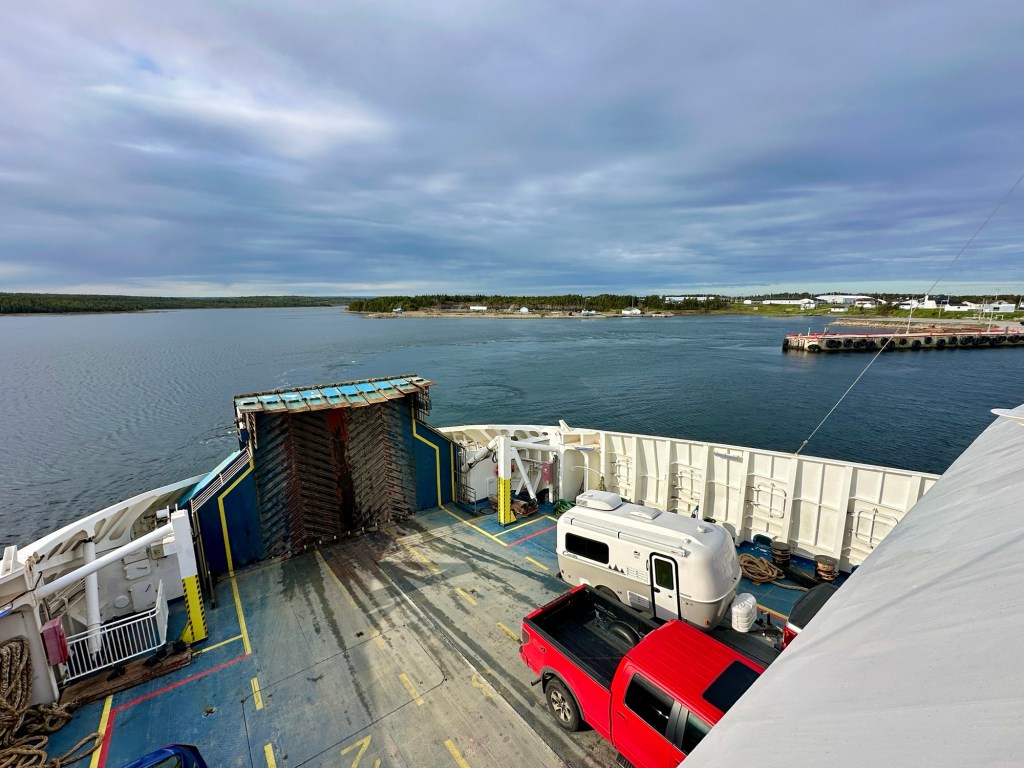
Two days earlier, We left Newfoundland’s Great Peninsula to board a ferry that brought us to the ‘Big Land’ – Labrador. It was a rare calm day for the 1 1/2 hr crossing, which made it easy to photograph the iceberg that greeted us as we approached land.


The ferry is one of two ways an RV traveler can get to this location. The other way is to drive 700 miles on the Trans-Labrador Highway from Labrador City; but only after 150 miles on unpaved roads through Quebec. We met several folks who did just that, all women by the way and six of them from Florida.
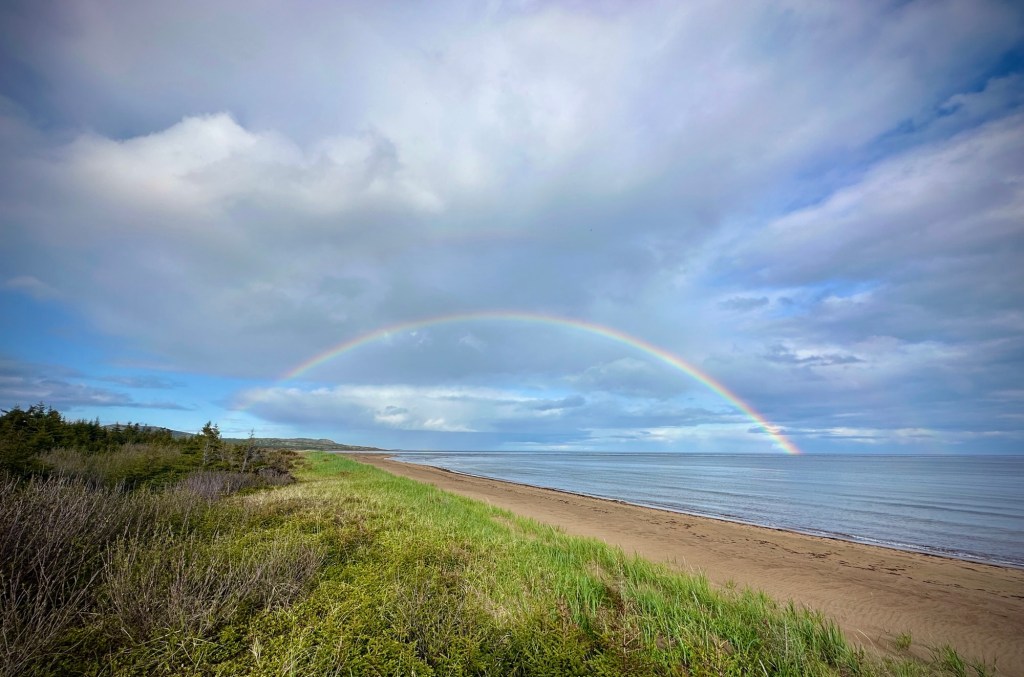
As far as Canada goes, Labrador is not so remote, at least not the southern coastal area where we stayed for two days on the mouth of the Pinware River. Enjoy these images from the Pinware River that comes down from a mountain to the Gulf of St Lawrence.


After all, Labrador, or more correctly Newfoundland and Labrador is a province, quite a step up in status from territory. Yet, for the people that live there, getting out is difficult because it usually means you have to go somewhere far away.


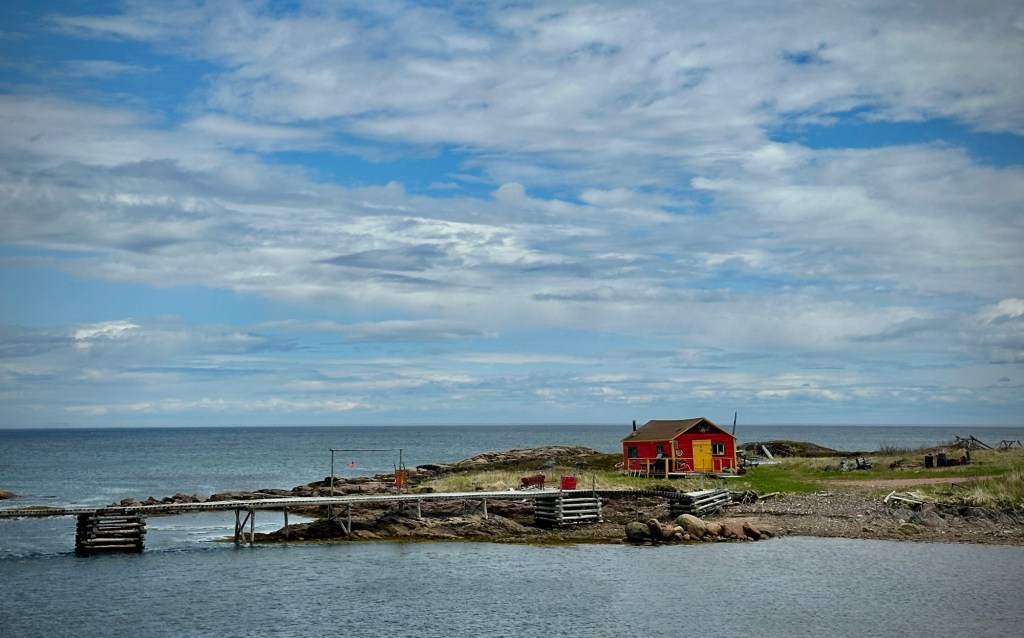
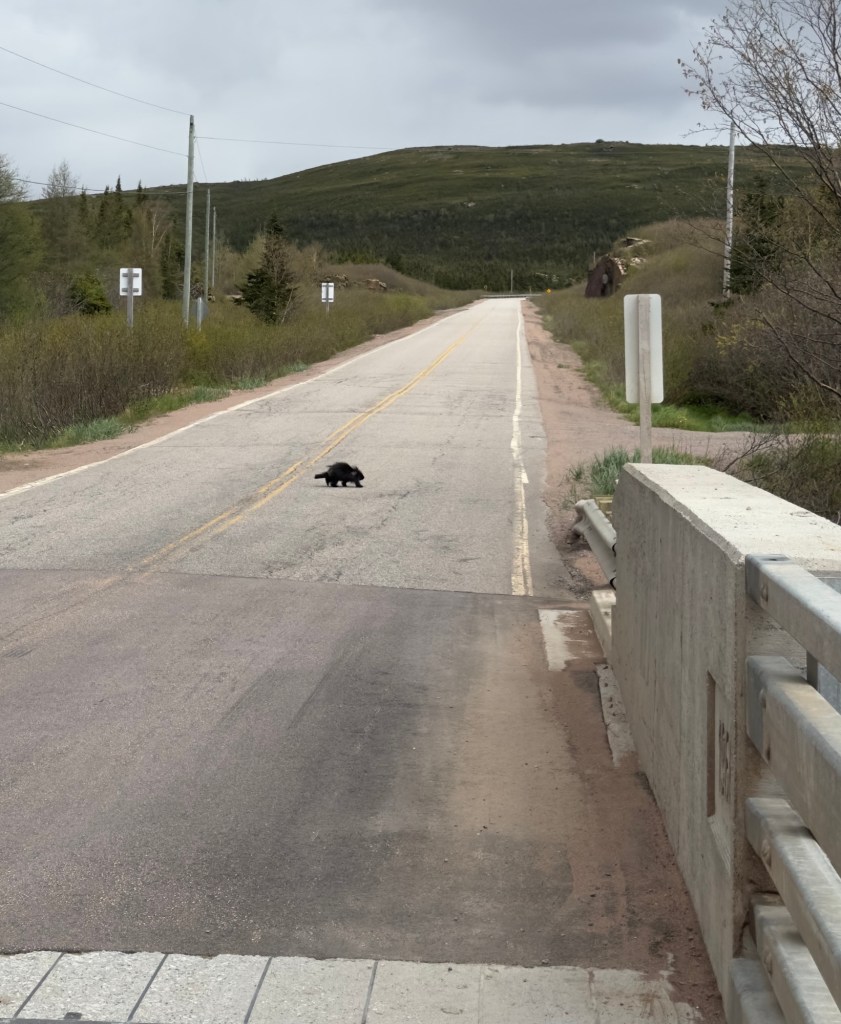
Case in point, we met a young woman from Goose Bay, Labrador who was on her way to St John’s, Newfoundland where she brings her daughter every 3 months to treat her juvenile arthritis. From Goose Bay she drives 900 miles and takes a ferry – that’s one way. We met her at a campground where she spent the night in her tent. She tells us Goose Bay, the largest city in Labrador, has a new state-of-the-art hospital. Problem is, they can’t get doctors or nurses to work there. She laughed a bit while sharing this fact, after having spent the entire day driving and ferrying. You do what you have to do – or as they might say here “Ye better do what ye’d be at”.
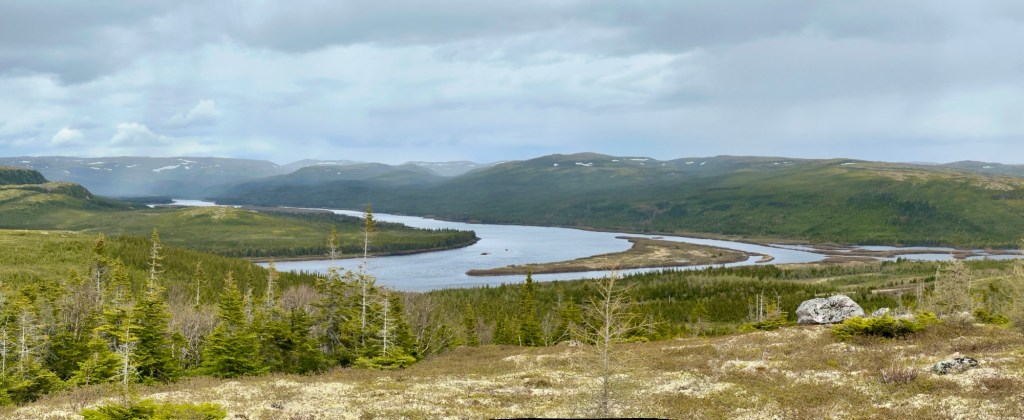
Back to Red Bay and the main reason we came here. Only 30 miles from Pinware River Provincial Park, we drove through a big landscape – hills that appear mountainous, characterized by trees, rocks and snow that refuses to melt. Bodies of water – large lakes, meandering creeks and raging rivers frequent the landscape on the north side of the highway, while a rocky coast interrupted occasionally by small fishing villages is to the south.


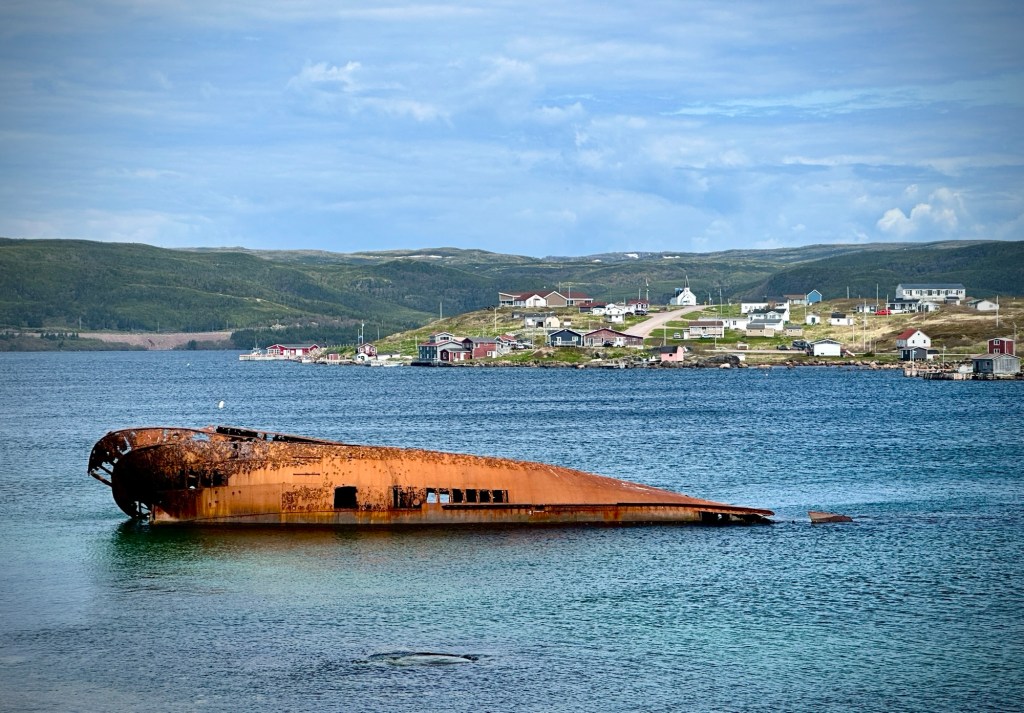
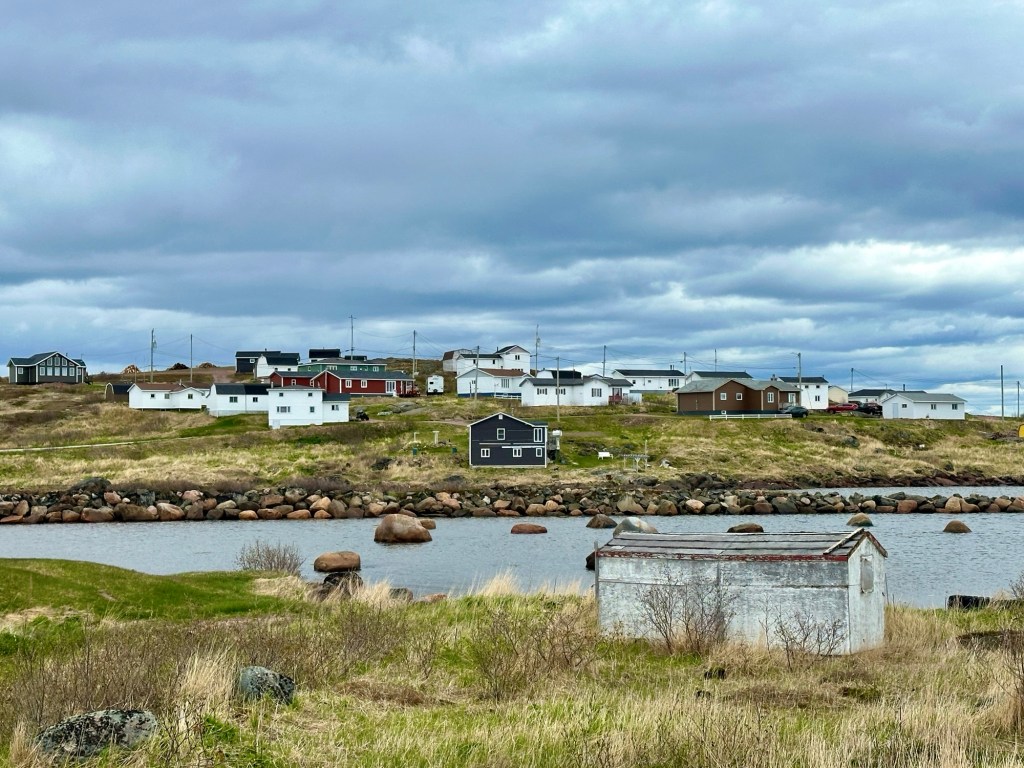
We wanted to visit Saddle Island where an archeologist discovered 16th century Basque structures several decades ago. Red Bay is another fishing village that now soaks up the tourism as much as it can in the few months available, largely due to the Red Bay National Historic Site.
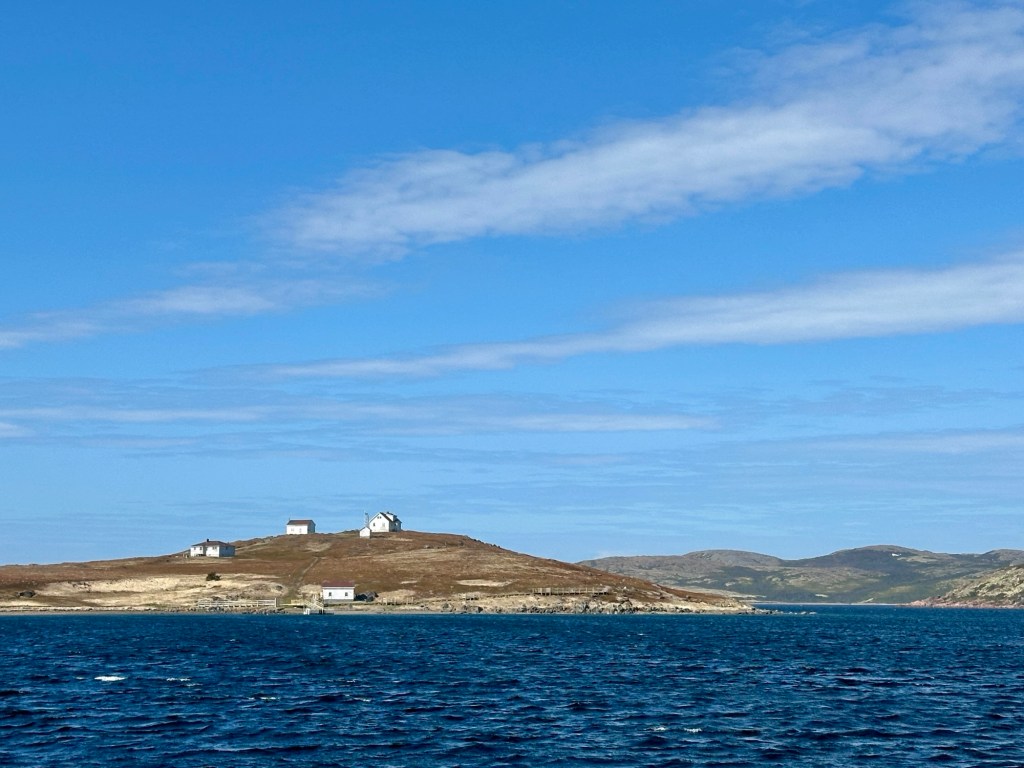
This historic site came into being after a curious archeologist driven by a hunch uncovered a past settlement from centuries ago in the 1960s. Like the Vikings that ventured to Newfoundland with the spirit of profit making, the Basque sailed to Labrador in the 1500s and set up a large-scale whale oil production, the first of its kind.

Like the Vikings who cut down trees and sailed the lumber back to Greenland (which sorely lacked trees contrary to what its name suggests), the Basque hunted whales, extracted the oil, and built barrels on the coast of Red Bay to transport the whale oil back to Europe, which depended entirely on the oil for its lights. And then, one day they just up and left leaving behind clay tile roofed buildings behind. It was the remains of the clay tiles that gave their presence away centuries later.
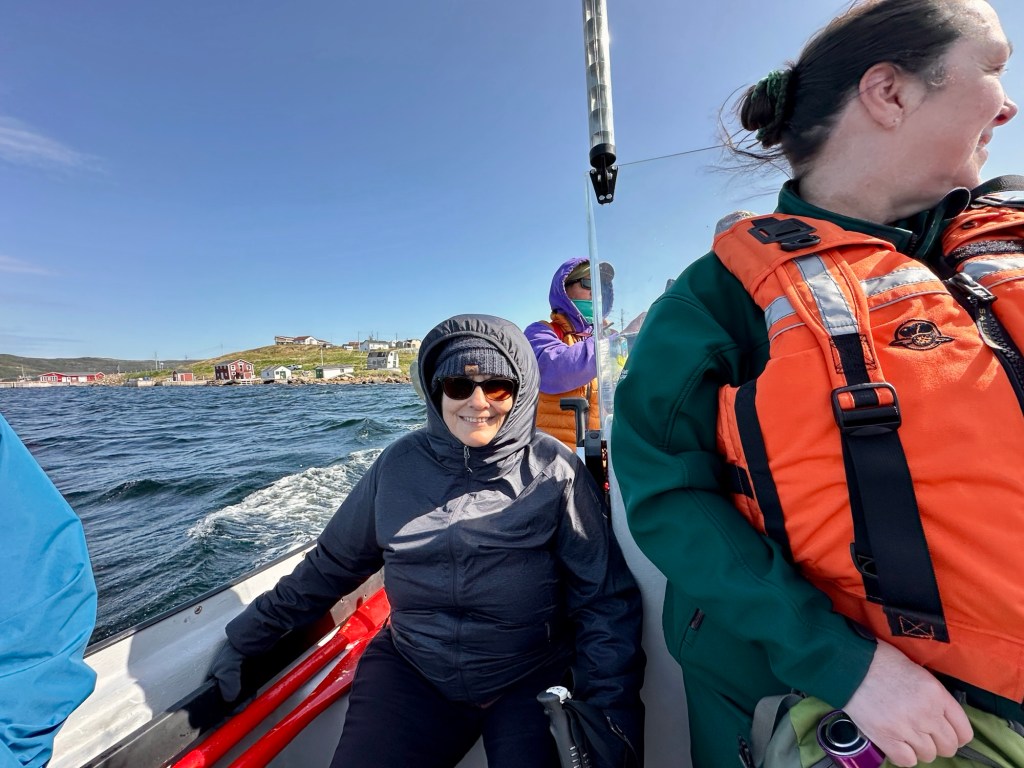
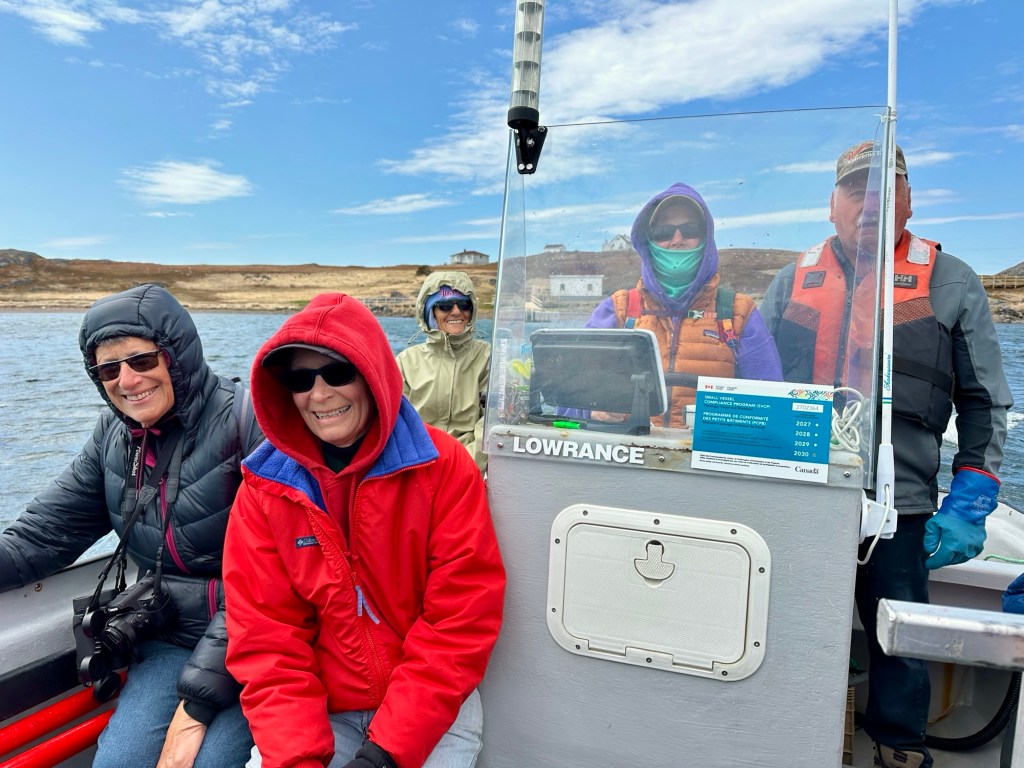
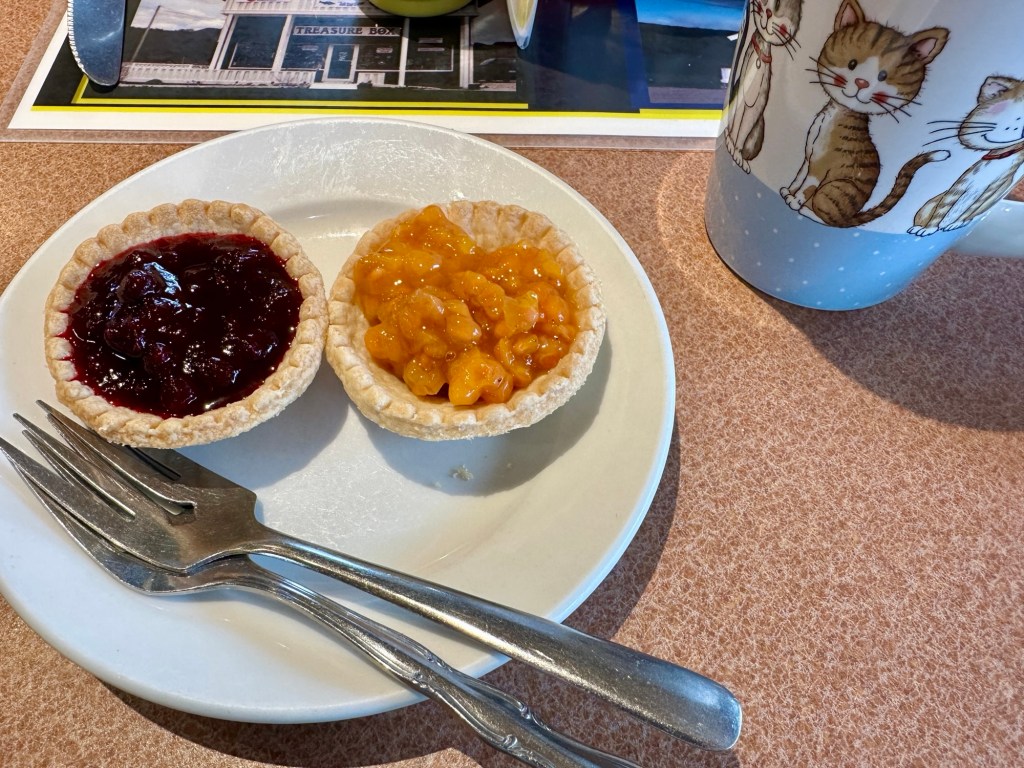
We had a short window of opportunity to cross the small bay before the wind blew the water out and made it impossible to reach the island. By now, we’ve become accustomed to the constant wind that it no longer factored into our assessment of the day’s weather for sightseeing unless it includes a boat ride. Later, we went about our business of hiking and visiting a lighthouse museum and trying out the local cuisine.
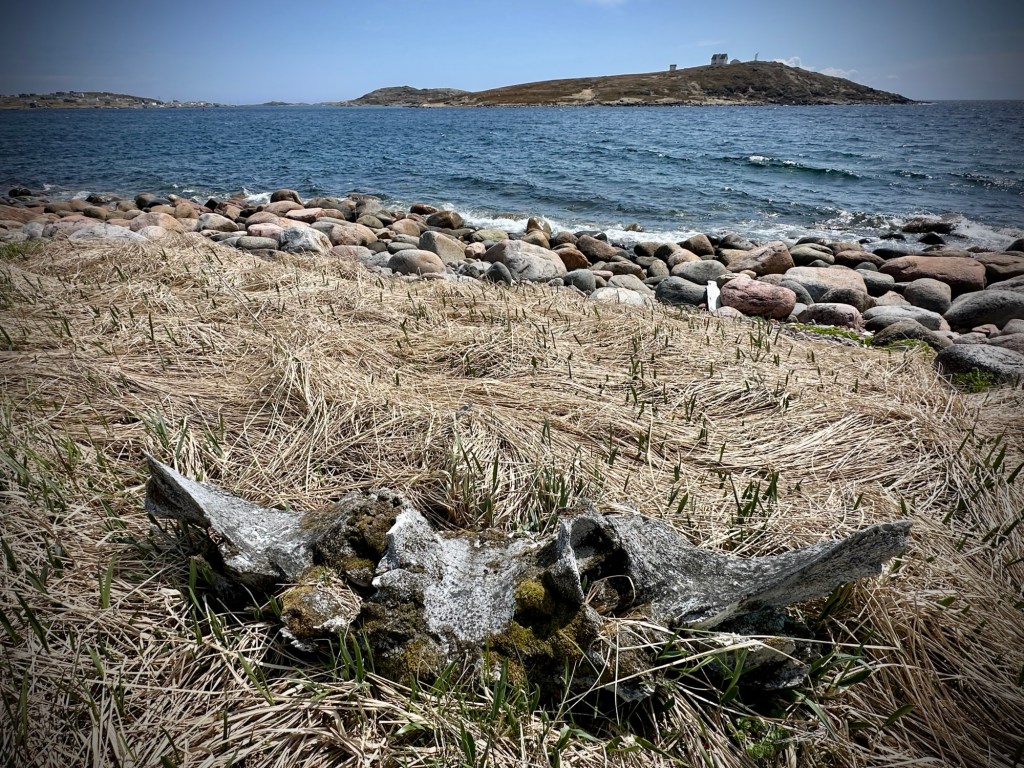
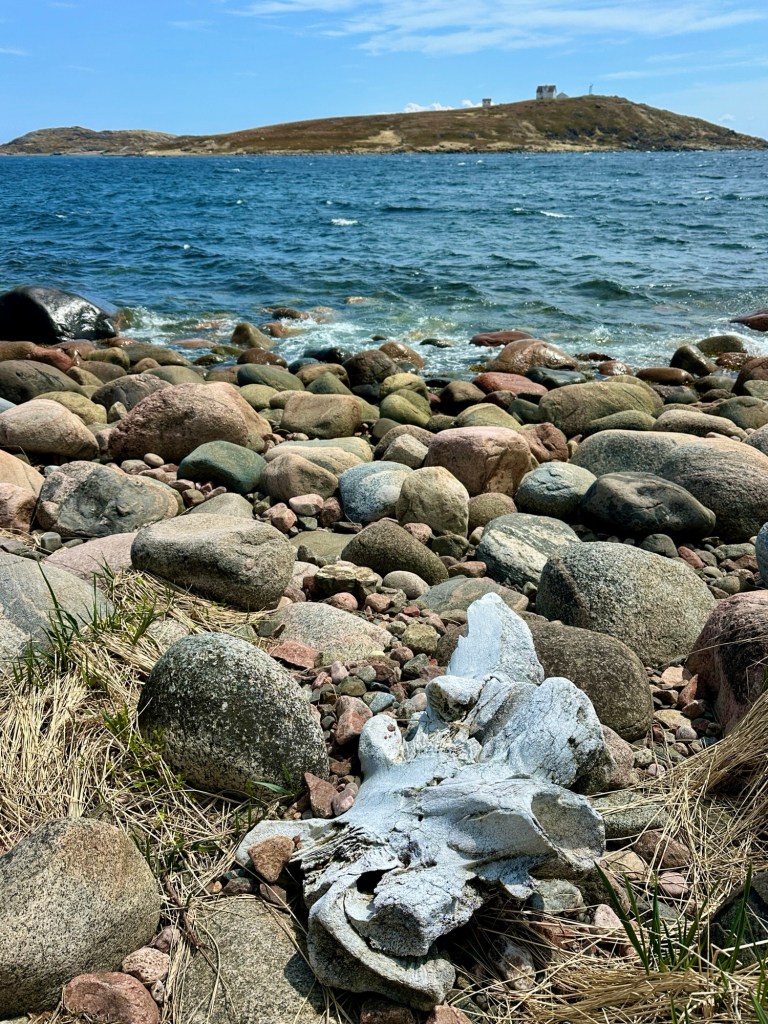
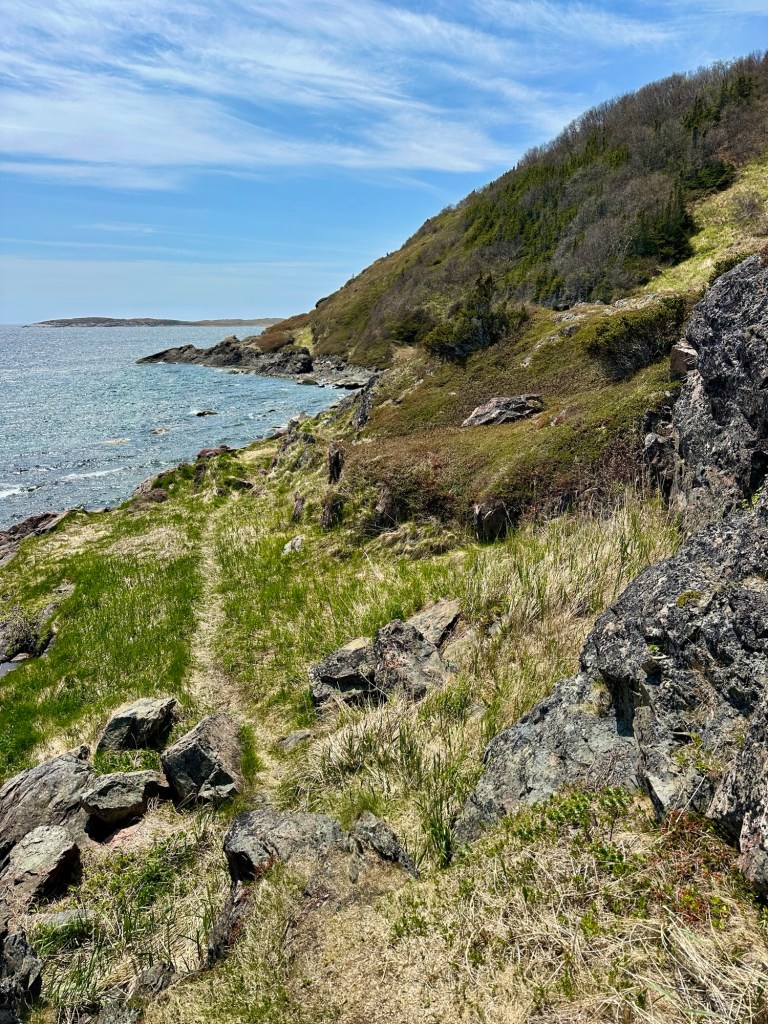
A visit to Red Bay should include a hike on the Boney Shores Trail. Why boney? Because of the whale bones that can be seen along the trail.

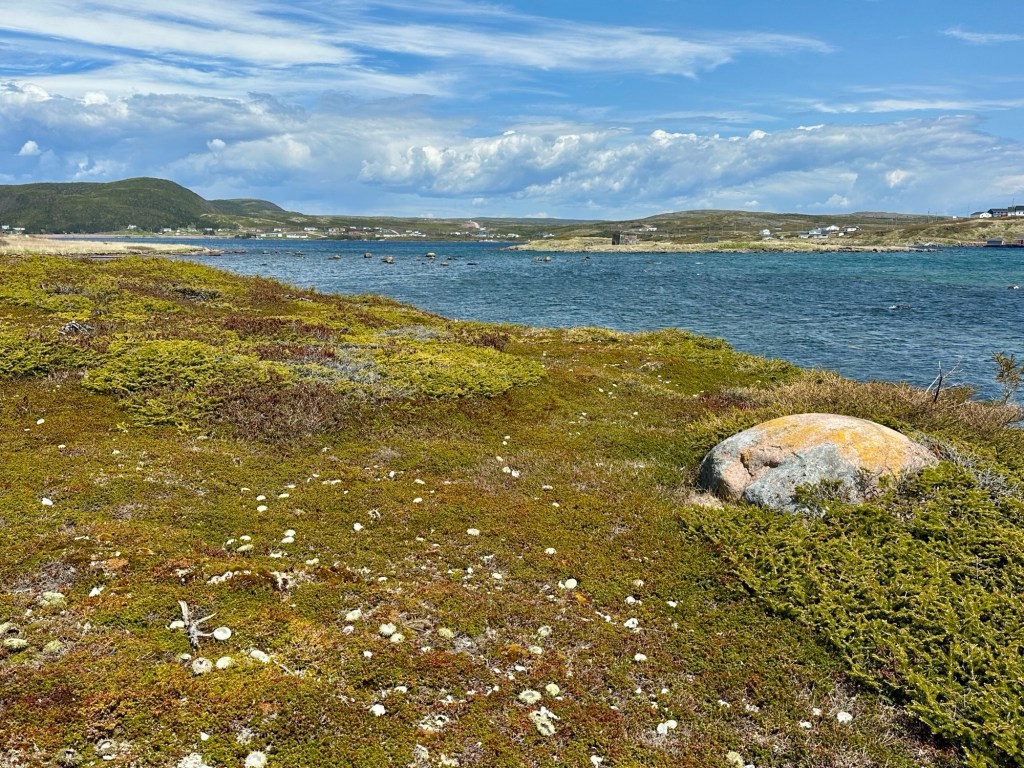


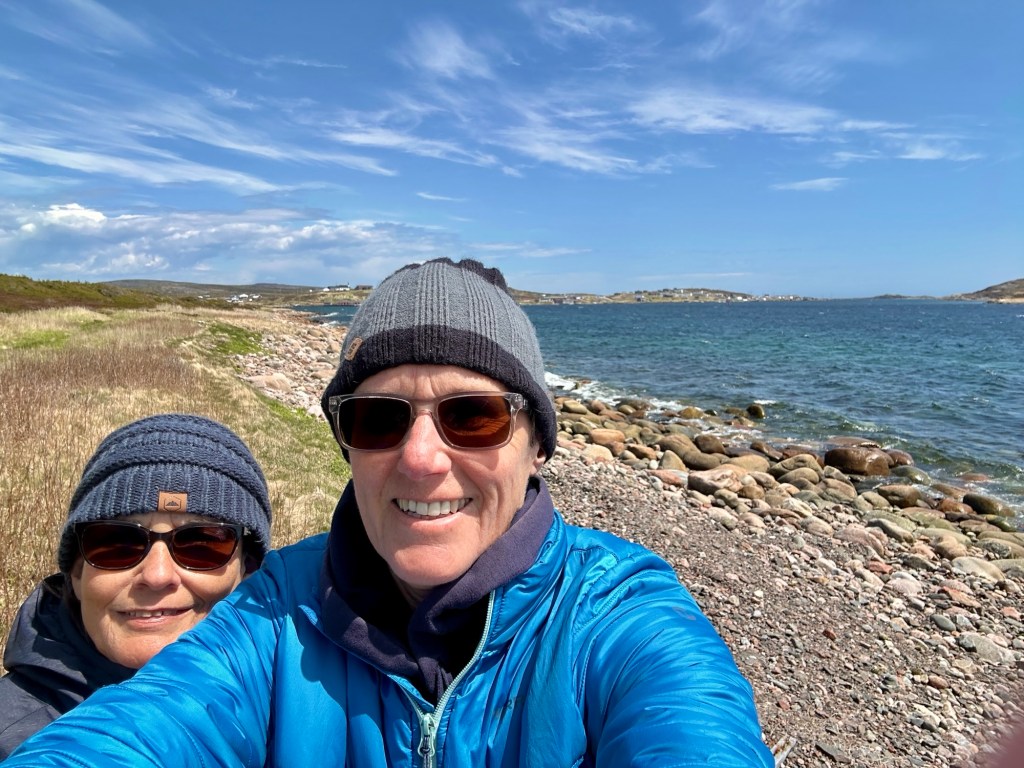
Later, at the Point Amour lighthouse we learned about Labrador tea, a subtle blend of flavors, reminiscent of chamomile. This tundra plant grows most everywhere and only in Labrador and Newfoundland. We’ve been hiking amongst it without knowing we could make a nice brew with it.


Our host shared some tea as he told the story of the lighthouse, which is his job. But then we asked more questions and soon, we learned his story. A side note here, a conversation with a Newfoundlander is easy to start up and always difficult to end. Just begin with “Are you from here?” and you have a friend for life.


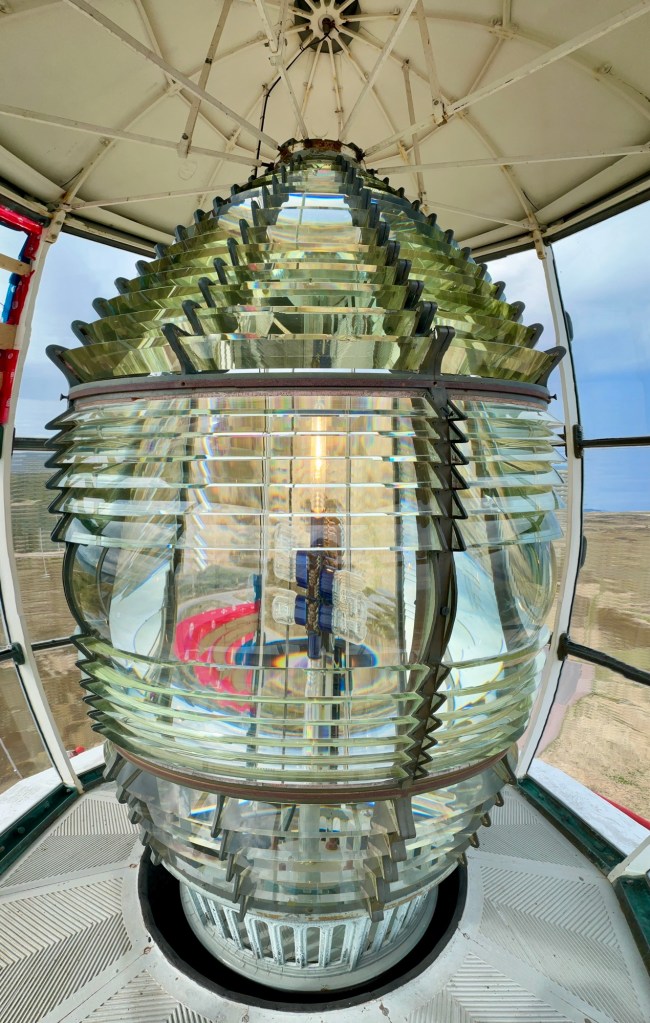

With barely a Newfoundlander accent, our host explained that he recently came back home having gone away as a young man to study in Montreal, and then later to work in the states for many years. Interestingly, his story differs little from many others we’ve conversed with. I guess the Newfoundland and Labrador license plate slogan we keep seeing has real meaning, “Come Home”.


 Changing Views From Our RV
“Come Home” sounds more like a plea!! You both look very, very cold in all your pictures. Did you expect this type of weather?
LikeLike
yes, it is a challenging place and many leave the remote areas for obvious reasons. We are enjoying the cold temps, Casita is cozy and warm at night and we are now use to putting on layers of clothing before going out. It’s quite comfortable and so much better than 90 degree temps in Florida. We loves it!
LikeLike