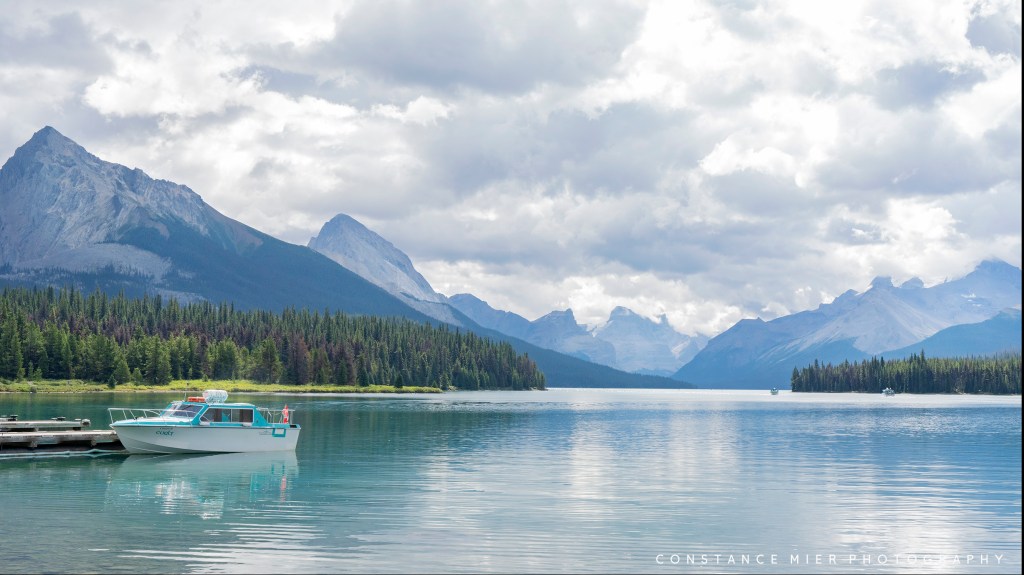
Surrounded by towering mountains, everything at eye level becomes insignificant and crowds seem less bothersome. And as you wander down a path through a montane forest while talking aloud to alert the bears that surely reside in the woods, you cannot help but wonder which is most impressive – the Canadian Rockies or Parks Canada because the two come together so perfectly as to create an unforgettable experience for any visitor to Jasper National Park.
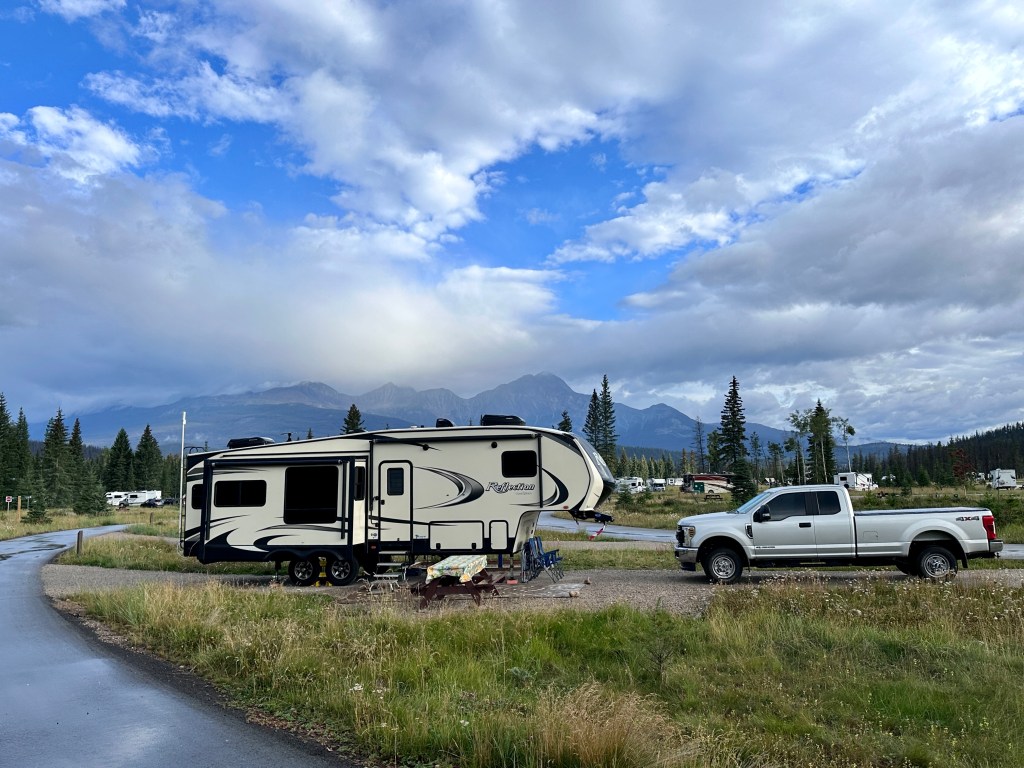
And I think where this great marriage between a national park system and wilderness succeeds more than most is in the place where you can stand on the edge of a chasm and watch from various angles the relentless effects of running water carving its way through rocks and do it from the safety of a concrete and iron bridge spanning a very deep gorge. Where the Athabasca, Sunwapta and Maligne Rivers run with powerful forces over steep cliffs and thrash their way violently through irregular shaped canyons of their own making is where we discovered the magic of Jasper National Park.
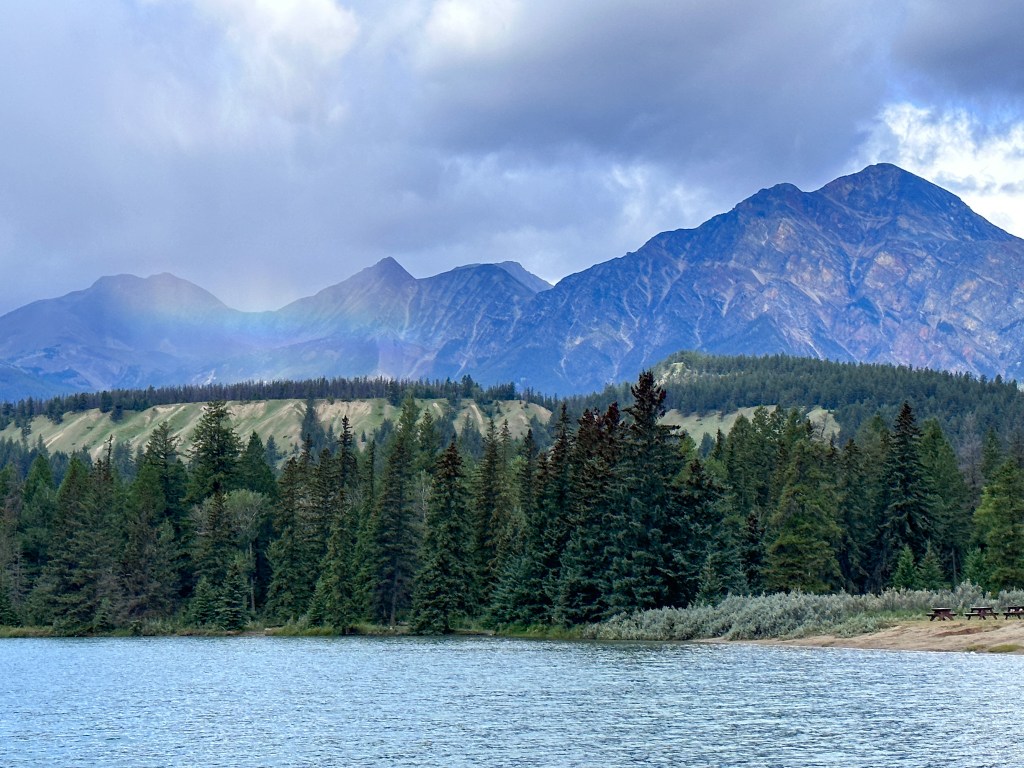
Here we pick up where we left off – chapter three of the History of the Rockies. Following the uplifting of rock layers, this is the story of erosion which has been happening for some 70 million years and continues through the age of humans. Agents of erosion – the most significant of which is water are responsible for the natural wonders of North America – buttes, mesas, arches, hoodoos, and mountains, those landscapes that inspire us to create national parks and monuments. In Jasper National Park, we witness erosion from the impressive work of glaciers.
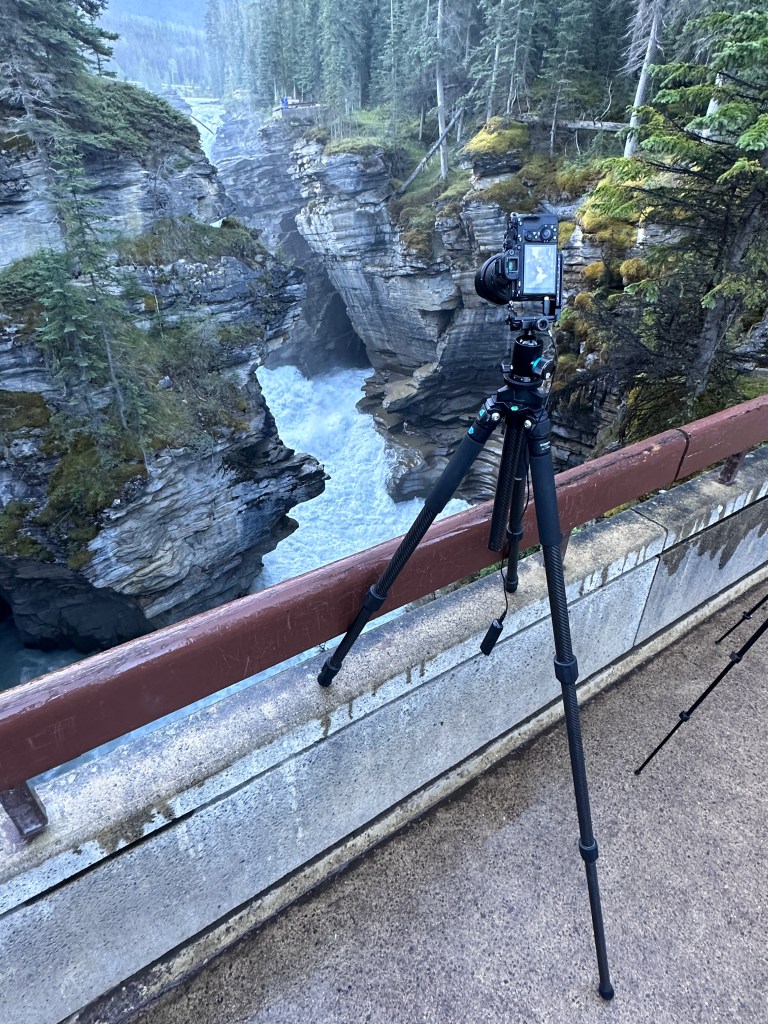
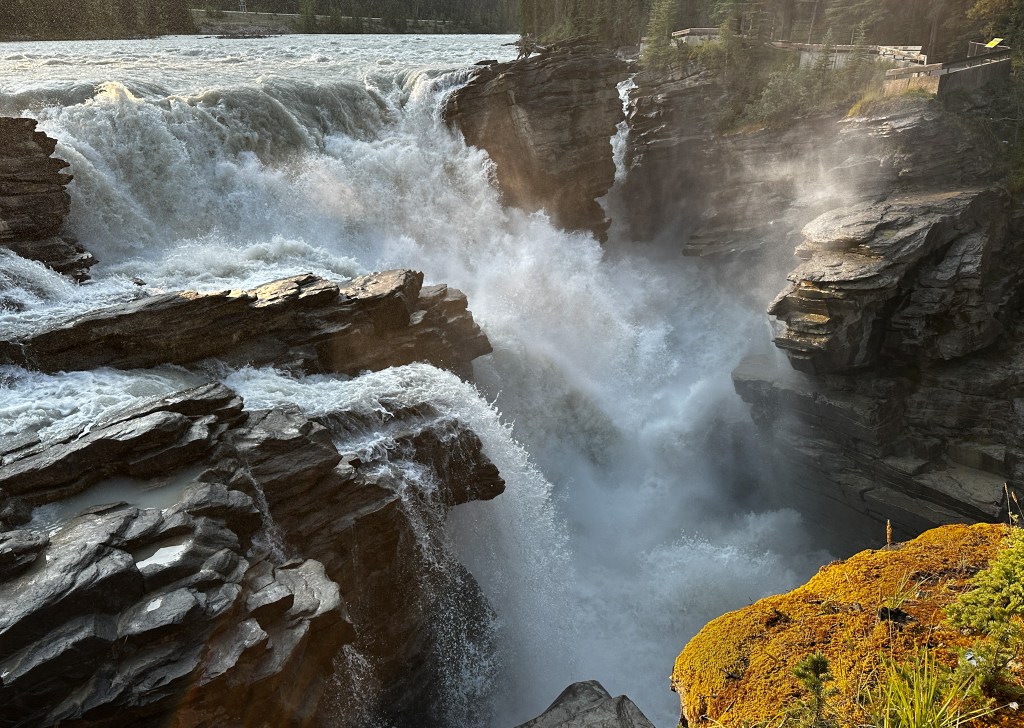
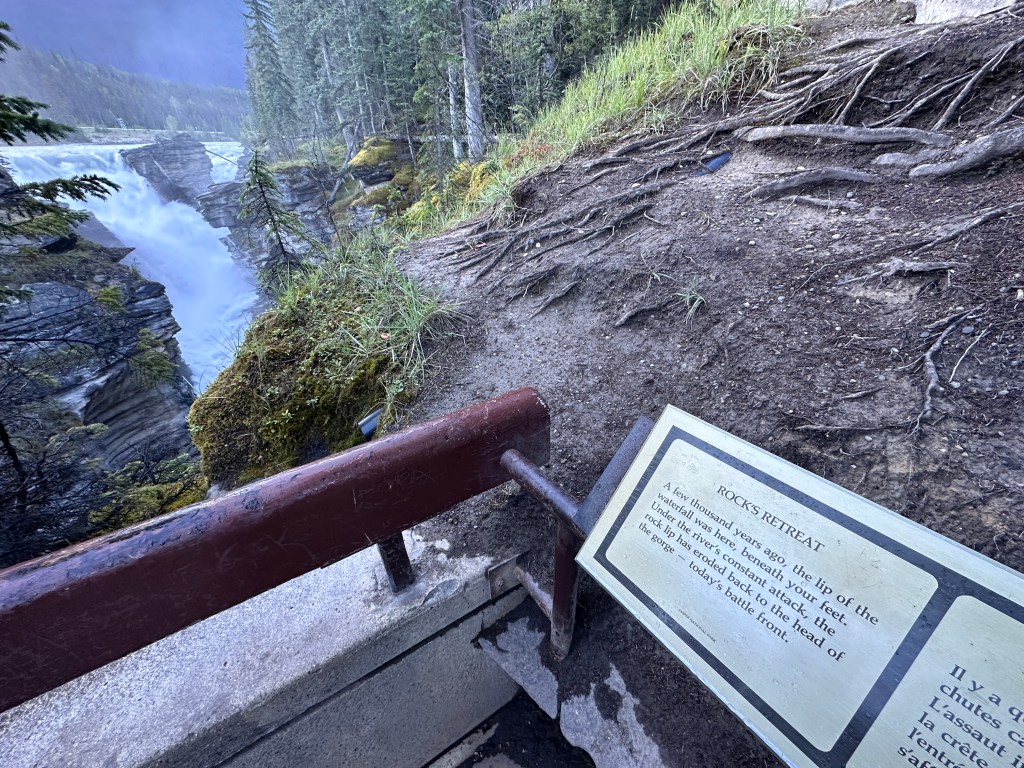
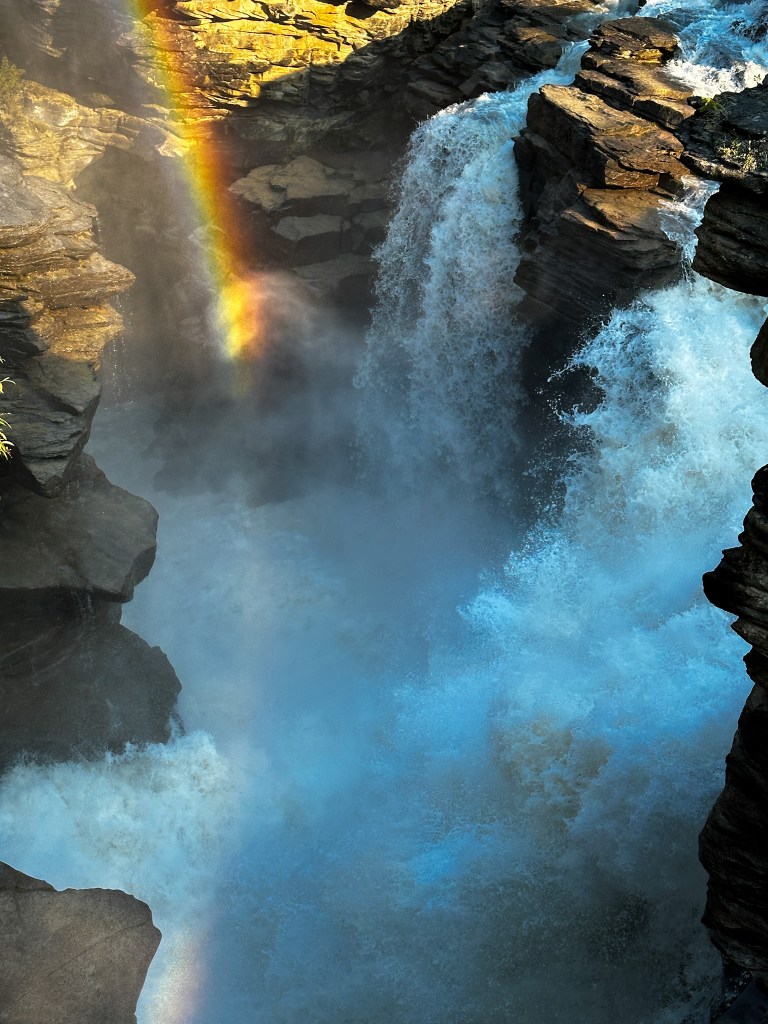
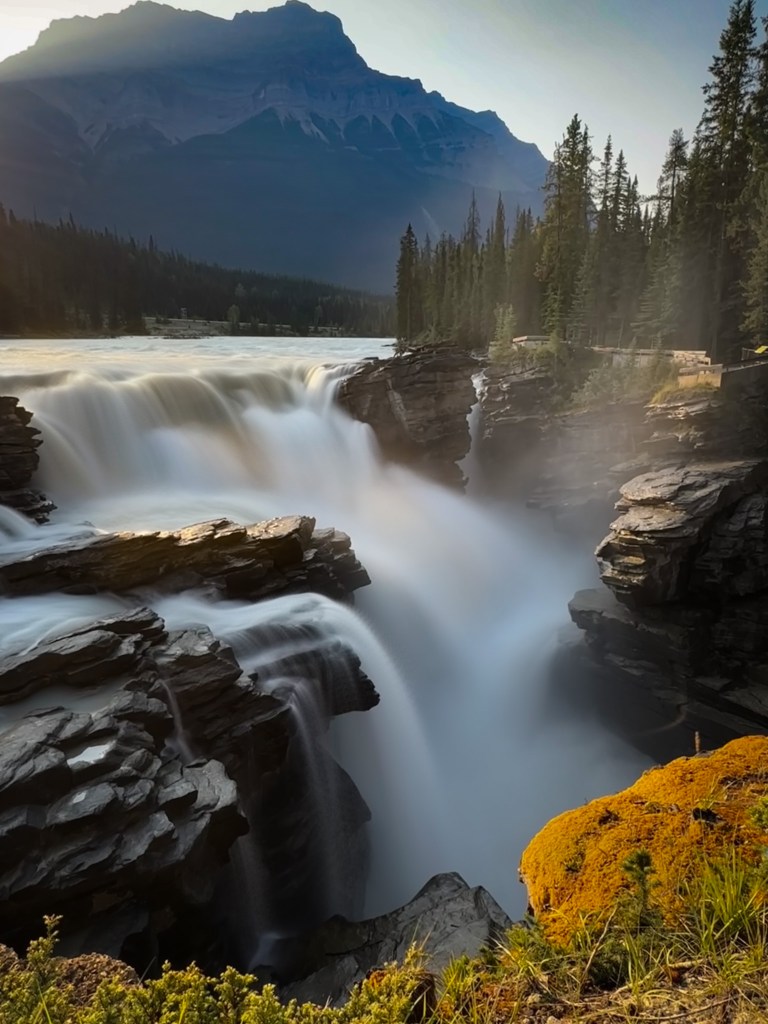
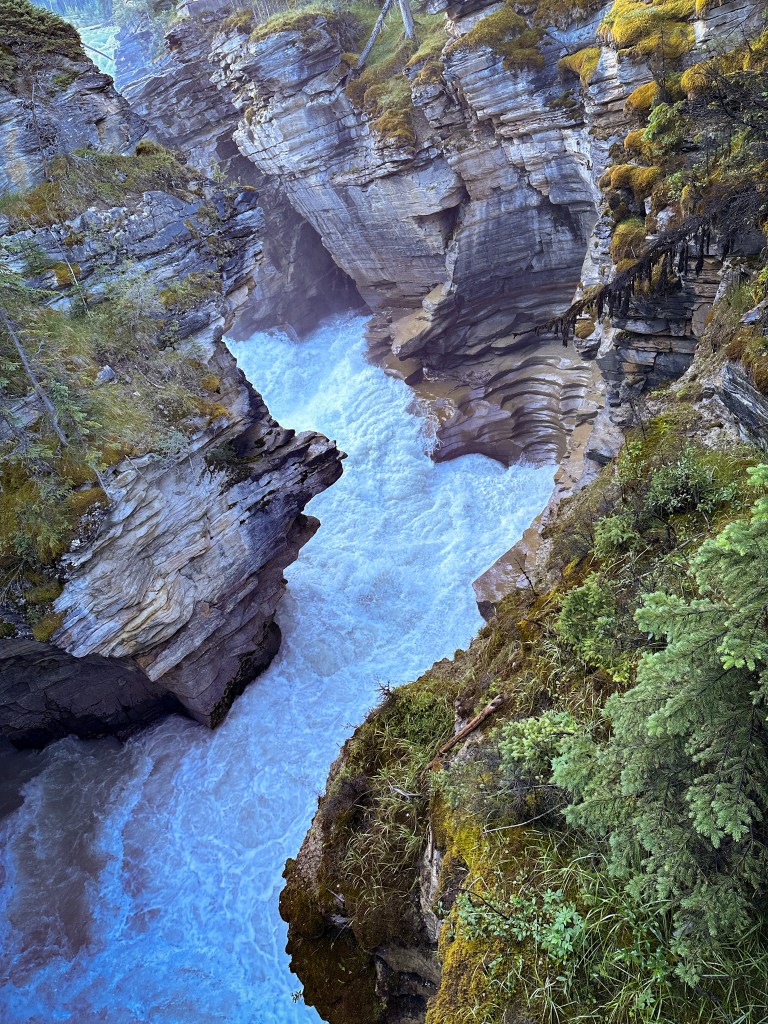
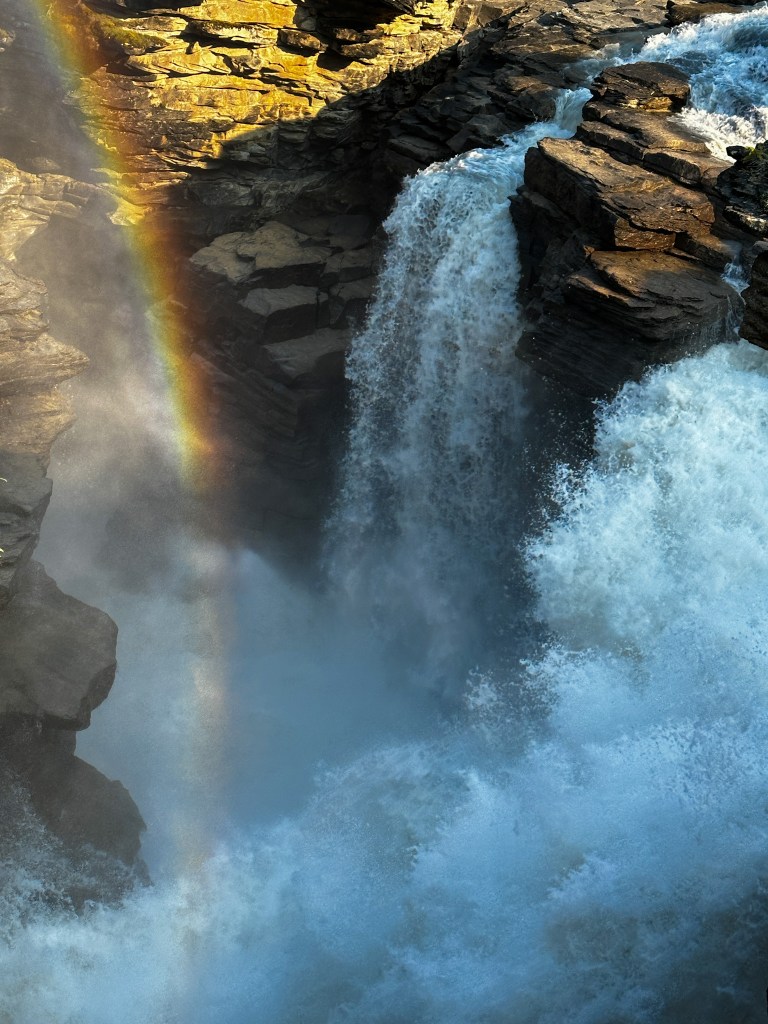
Witness Athabasca River’s breathtaking display of erosion. People standing on a narrow bridge looking down at the roaring waterfalls must conjure all kinds of imaginations because there are very few opportunities for just anyone to view an impressively beautiful force of nature. Some will look in awe and see God, most will be mesmerized by the sight and sound of water, artists will see light playing with shapes and colors, and some I am sure will have fleeting thoughts of falling and succumbing to the merciless water. I think some will wonder how something so extraordinarily beautiful and far beyond our own significance can exist – and perhaps a handful of them will feel grateful to have seen it.



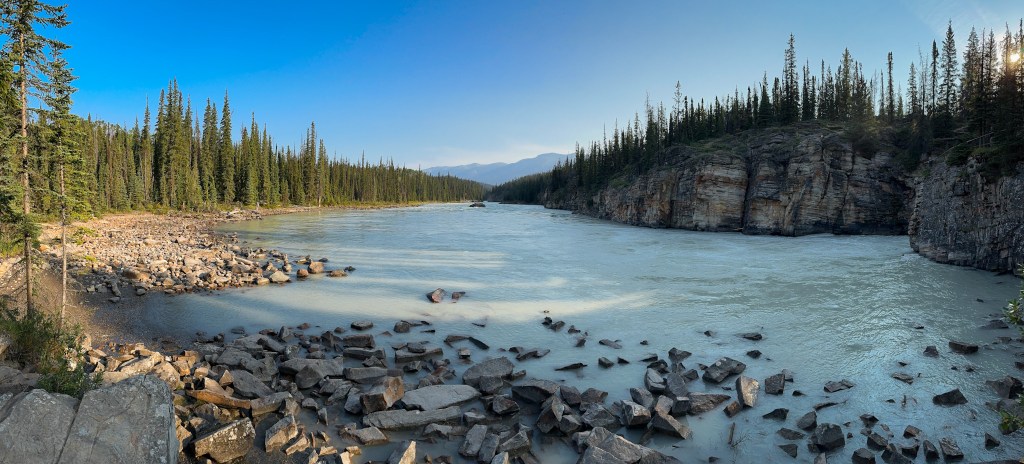
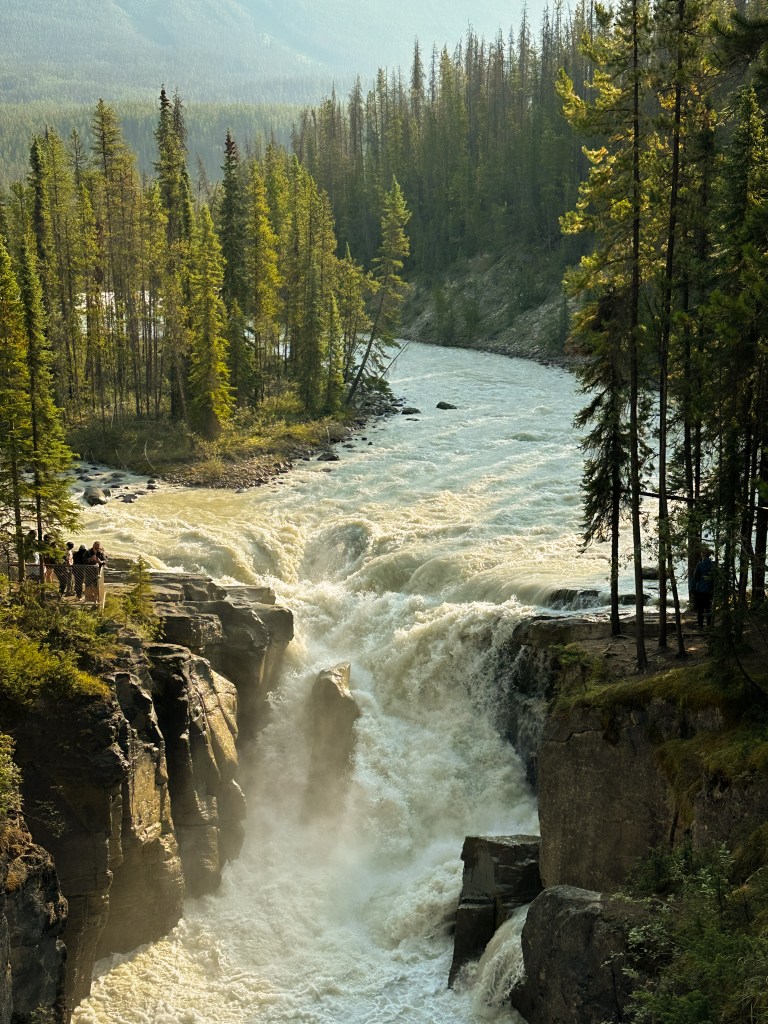
Not far from Athabasca Falls is the equally impressive Sunwapta River, a tributary of the Athabasca. Once again, Parks Canada created views of the falls that will leave an impression on anyone, even those that recently visited nearby Athabasca Falls. Both Athabasca Falls and Sunwapta Falls are accessible along the Icefields Parkway, that is if you arrive early enough before the parking lots fill.

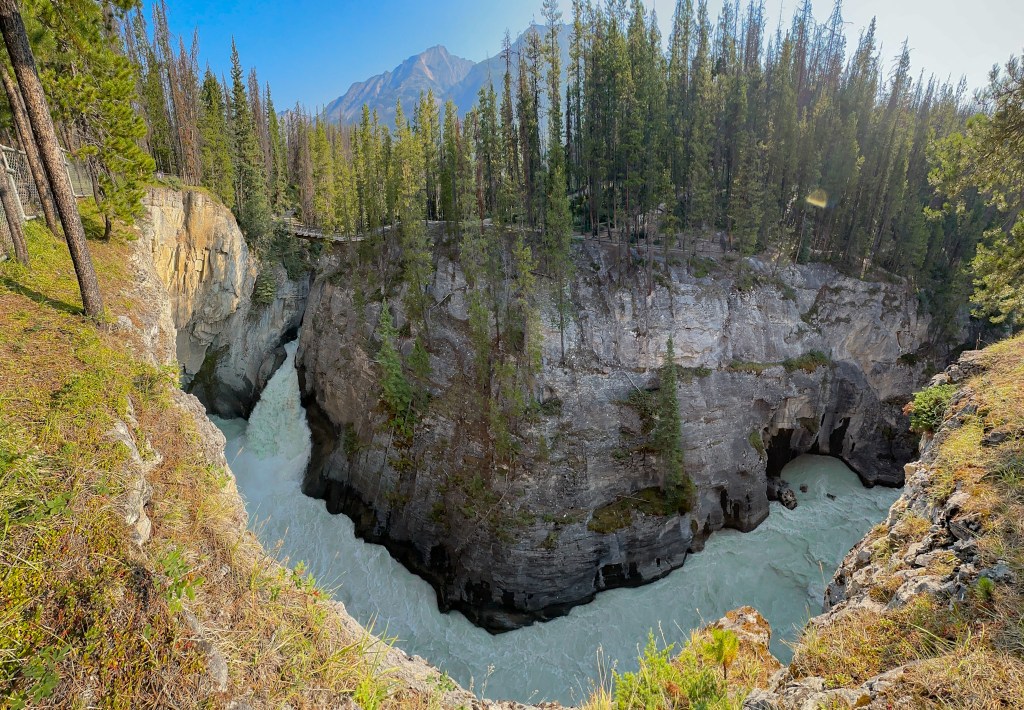


Maligne Canyon is yet another demonstration of water wielding its strength in the mountains. Here, Maligne River plunges to the level of the Athabasca River valley below where water begins its canyon journey by dropping 75 feet. The swirling action of water can be seen in the canyon bottom where potholes are created from boulders caught in the circling current, grinding away at the sides and bottom. Walking paths follow the stream as it drops further in a series of falls and rapids into a valley where the water can travel at a slower pace.
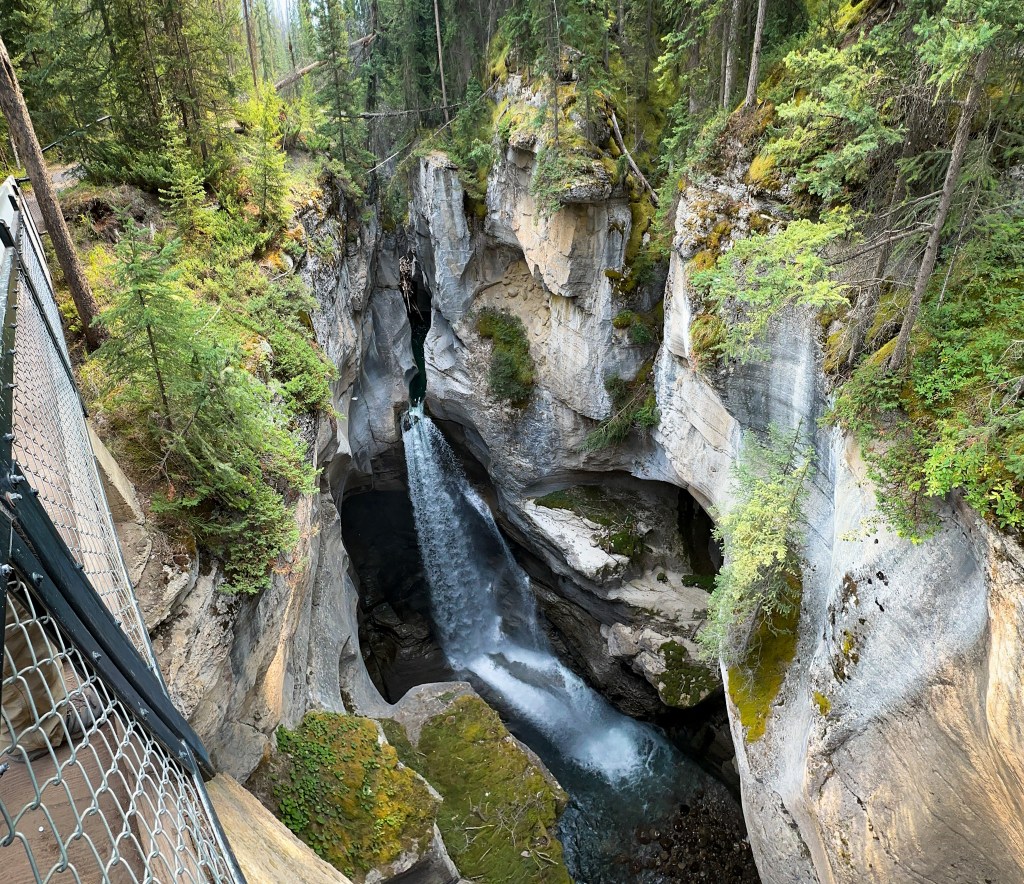
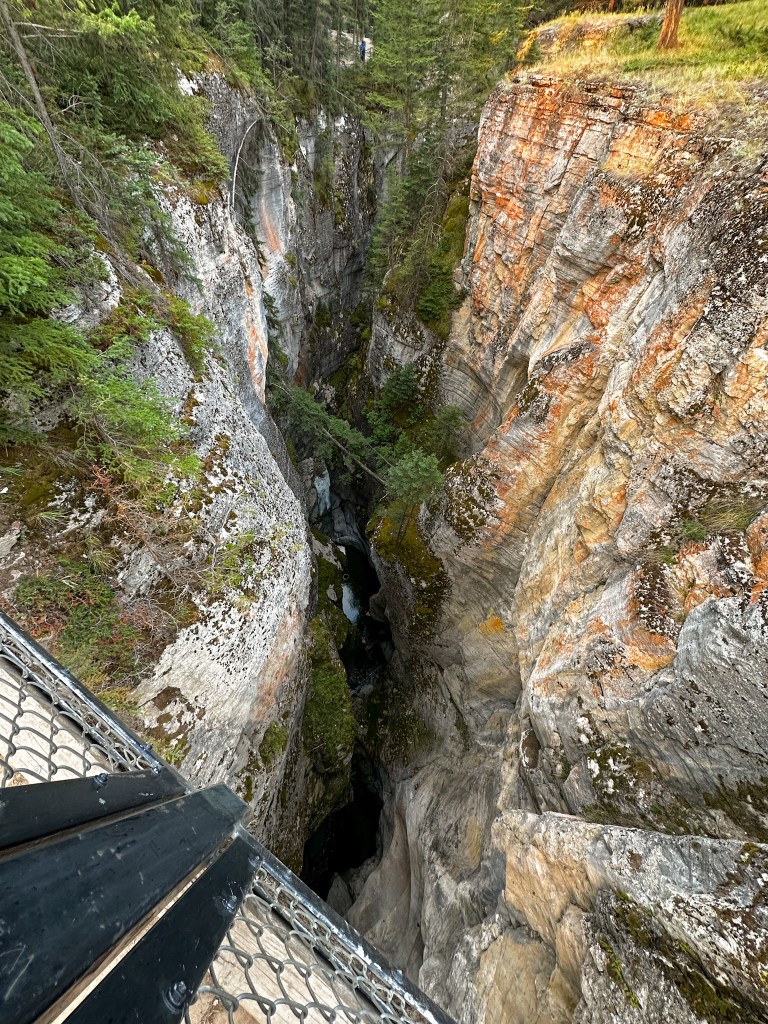


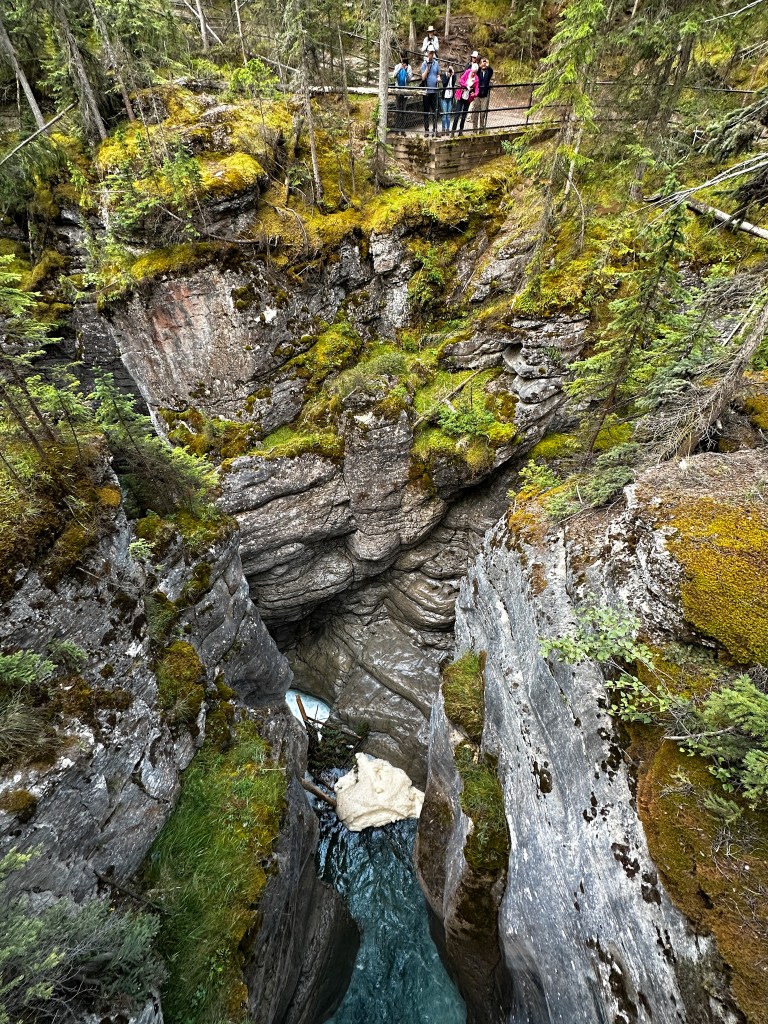


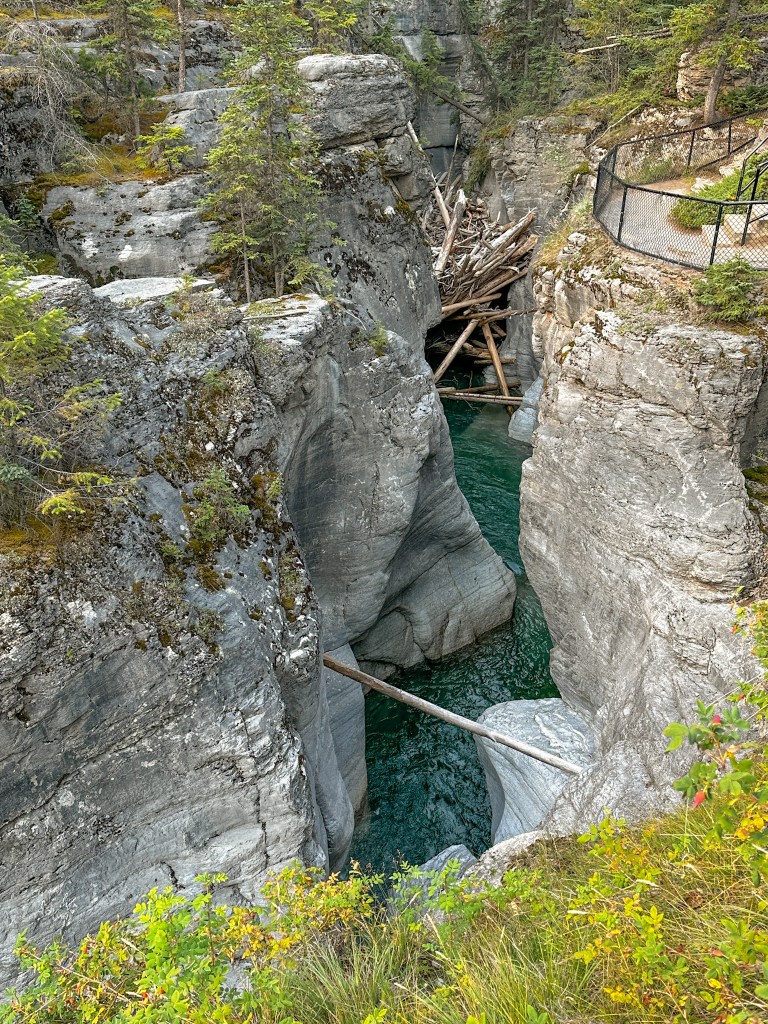


The water in Maligne Canyon began its journey as melted mountain snow that feeds the largest natural lake in the Canadian Rockies, Maligne Lake. The lake acts as a reservoir to the river that begins at the lake’s north end and continues to Medicine Lake. When the fast moving water enters Medicine Lake, most of it disappears into an underground system of tunnels and waterfalls cutting through limestone. North of the Medicine Lake, the river reappears and drops down into Maligne Canyon.
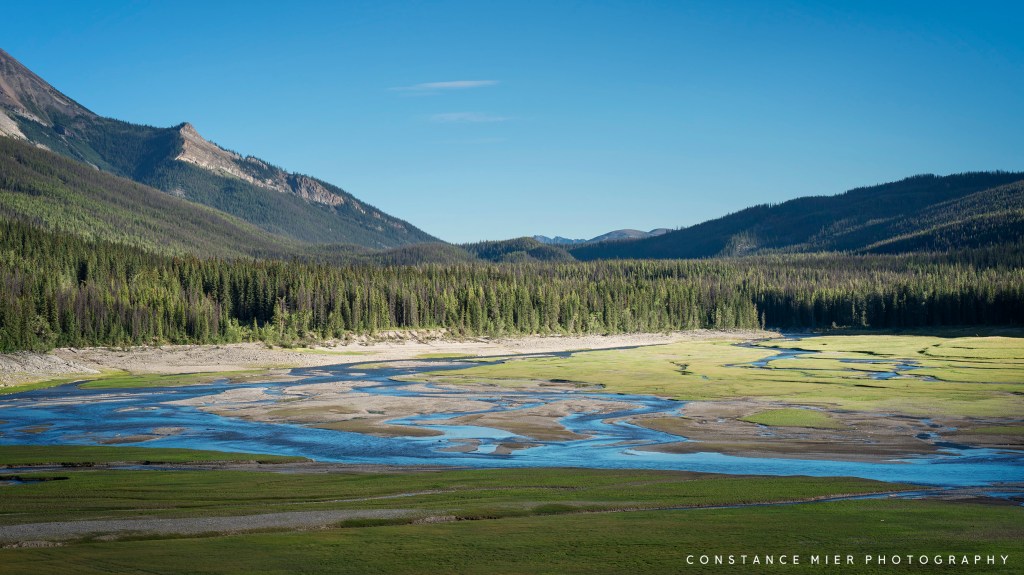
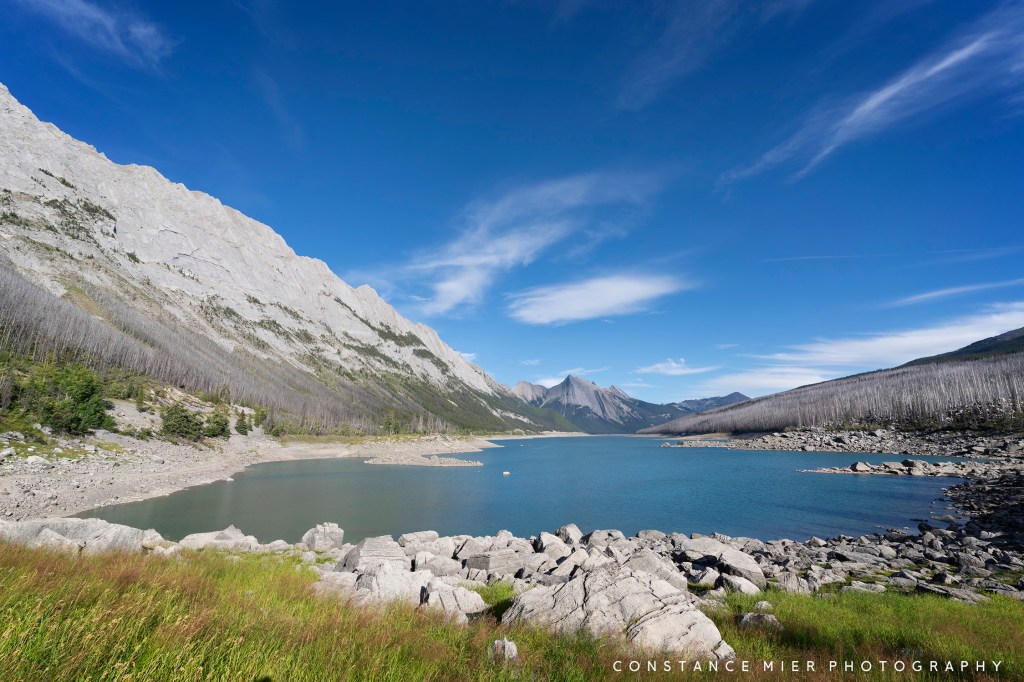
When you witness the mountains, glaciers, and waterfalls of the Canadian Rockies, you leave there with feelings that transcend words. But there is something else about the Rockies that tugs at our hearts, something that pushes us closer to the natural world, and reminds us that we are never alone. And with that final thought, stay tuned for our final blog about our experiences in Jasper National Park – Part 3: The Animals.
RV TIP
When parked, we always have something under the front landing jacks and the back stabilizers. This helps with leveling and also adds height. That extra height has protected our landing jacks and stabilizers from salt water intrusion on our lot on Chokoloskee Island. And many campgrounds that offer concrete pads will require you to have something under your jacks to avoid rust stains and damage.
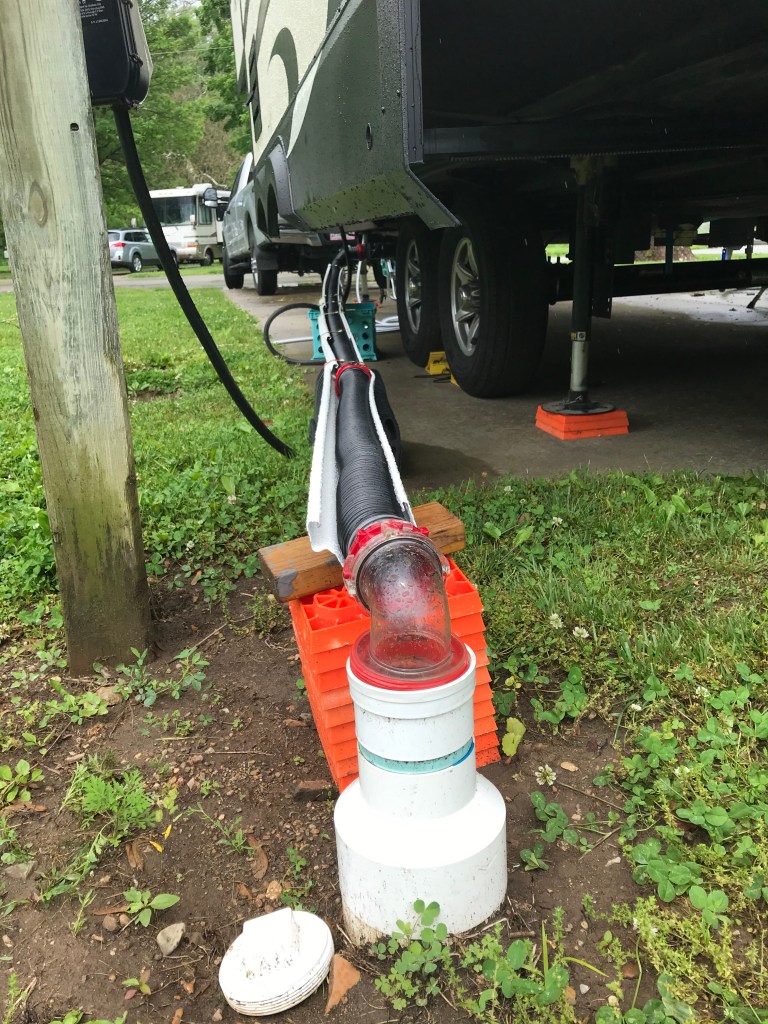
We use the lynx levelers and the leveler tops seen in the photo below. Compared to concrete or wood blocks, they are lightweight and easy to stack. We typically stack 2 levelers with a top, more if water intrusion is a risk. We replace them after a few years because they do degrade over time.

I keep an additional dozen or so to use for other things like this below. You never know what you’ll get when it comes to sewer connection, so I like to have these on hand as part of my ‘gravity management’ system. I’m sure you can make other uses for them as well!

 Changing Views From Our RV
“When you witness the mountains, glaciers, and waterfalls of the Canadian Rockies, you leave there with feelings that transcend words. But there is something else about the Rockies that tugs at our hearts, something that pushes us closer to the natural world, and reminds us that we are never alone.” Very well said. Life long memories were created on that trip.
LikeLike
I hope we get to make more travel memories with you & Lorraine!
LikeLike