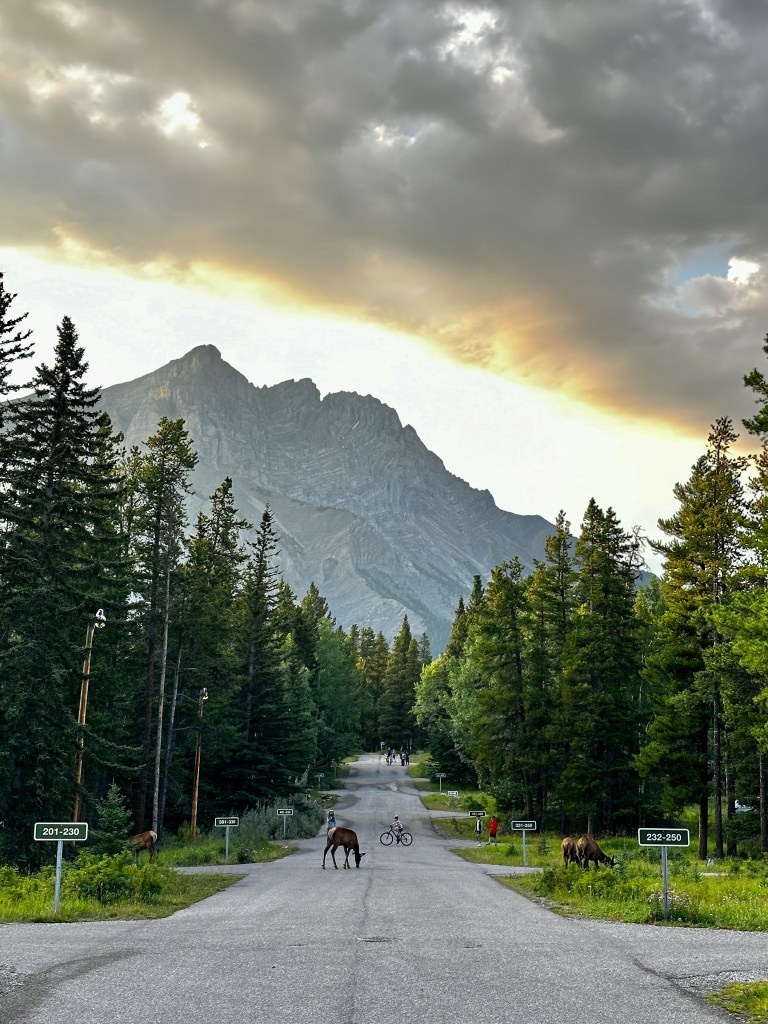
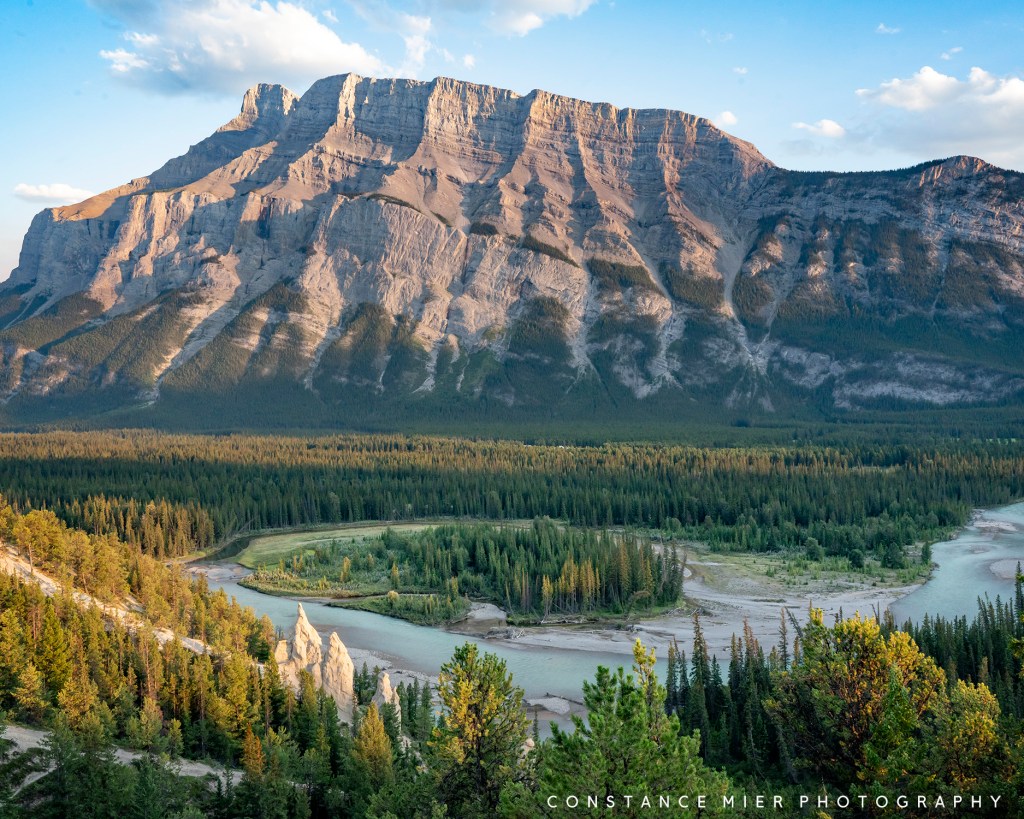

As cliché as it sounds, driving into Banff National Park’s Tunnel Mountain Trailer Court reminded me of Dorothy walking out of the woods and into the Land of Oz – angels singing as the light shone on Emerald City. Instead of the sparkling smooth emerald silos in our view, it was the 9836-ft (2998 m) tall Cascade Mountain, a looming wall of slate gray ruggedness with deep crevices molded into shadowy contours by the sun’s light.


Our 5000-mile journey culminated to one of the most beautiful places on the planet – a land full of towering rocks of ancient history. From every direction, the mountains rose above – their bold characters that even the most uninspired among us would never tire of seeing.
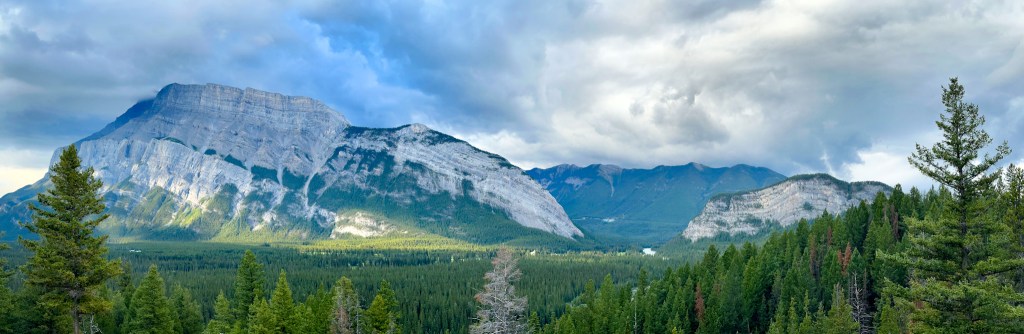
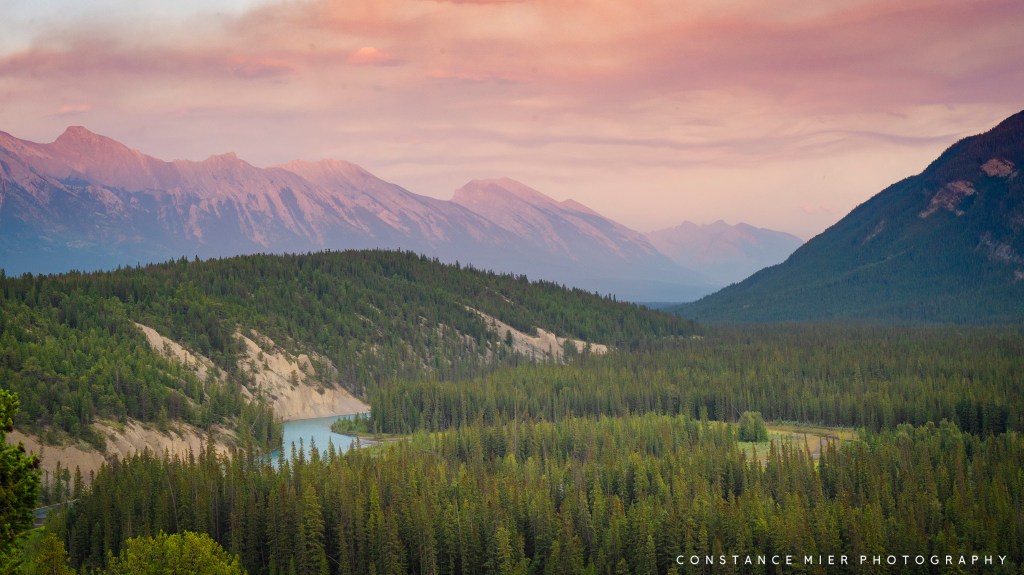
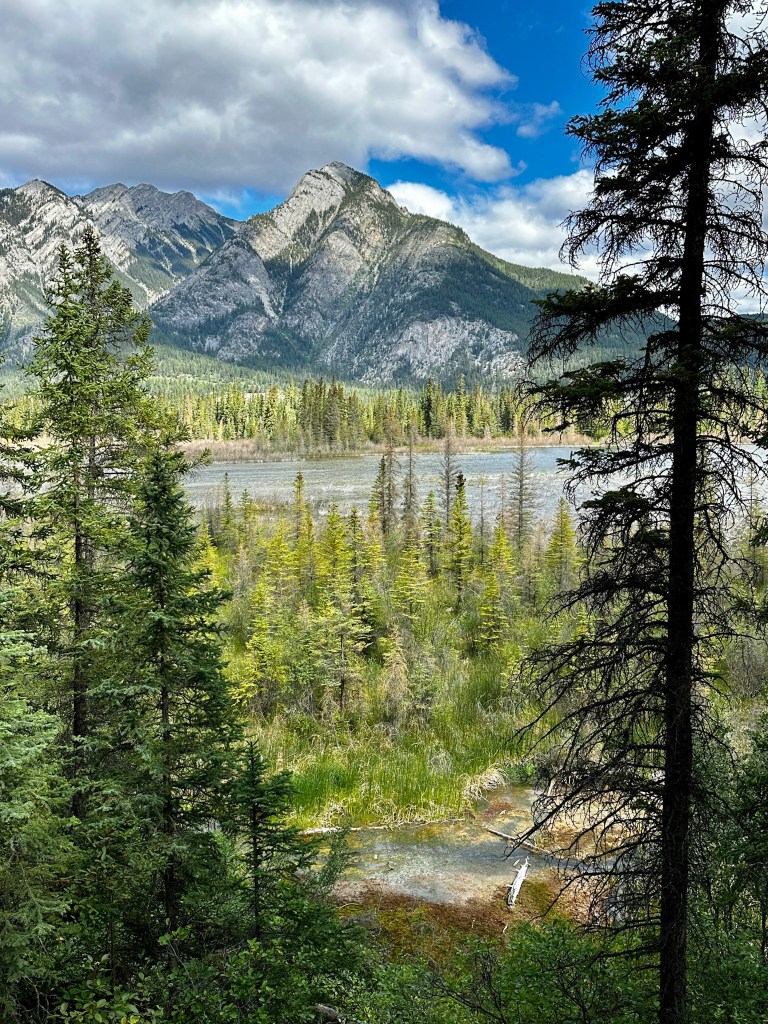
By the time we arrived in the latter part of July, mountains held only remnants of snow, stubborn ice packs that refuse to melt, heeding to the sun’s rays only in short fits of daylight not long enough to turn ice into water. These mountains are tall enough to stand above the tree line where the forest abruptly ends its upward march – halted at the edge of the hostile alpine region where relentless wind, radiation, snow, and ice define the mountain’s character.

At an elevation of less than one mile, we were a comfortable distance from the peaks, affording us panoramic views of the Canadian Rockies. They are a sight to behold, and the reason Canada established its first national park here. The town of Banff was settled in the 1880s after the transcontinental railway was built through the Bow Valley. In 1883, hot springs (referred to as Cave and Basin) were discovered near Sulphur Mountain by railway workers. That discovery prompted Canada to establish a federal reserve around the Cave and Basin and motivated Banff settlers to promote the area as an international resort and spa, thereby supporting the new railway. In 1887, the reserve area was increased and named ‘Rocky Mountain Park”, the beginning of what we know today as Parks Canada.

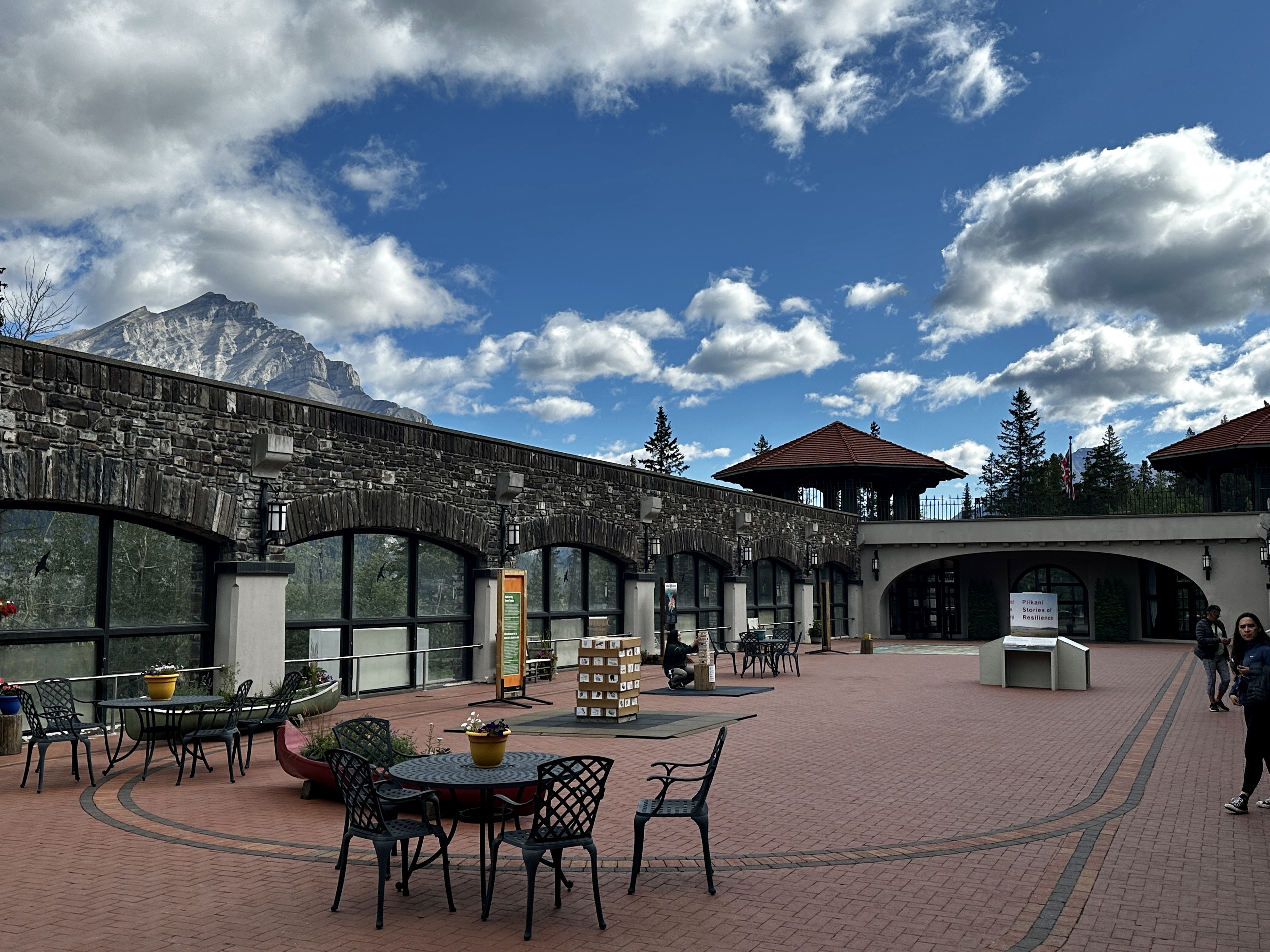

Interestingly, in 1990 the town of Banff became the only incorporated municipality with a Canadian national park (since then, the town of Jasper has become one). With that, Parks Canada enforces requirements on town residents. To live in Banff, Parks Canada must be your primary employer, or you may operate a business in the park that requires your presence for day-to-day operations. You can be a retired person and live in Banff, but only if you were employed primarily by the park or operated a business in the park and had resided in Banff for five consecutive years prior to retirement. I guess Vivian and I won’t be moving to Banff anytime soon.


In 2021, the town of Banff’s population was 8305. But on average, there are three times as many visitors each day, not including the 7500 overnight hotel guests. At an elevation of 4537 ft (1883 m) it is the highest town in Canada and a premier destination year-round. A typical busy day in Banff includes 25,000 inbound and outbound vehicles. If resident and overnight guests are removed from the count, the town is left with 9,500 inbound vehicles (including one wayward RV with Florida license plates), estimated with 2.4 persons per vehicle, or 23,000 visitors per day.

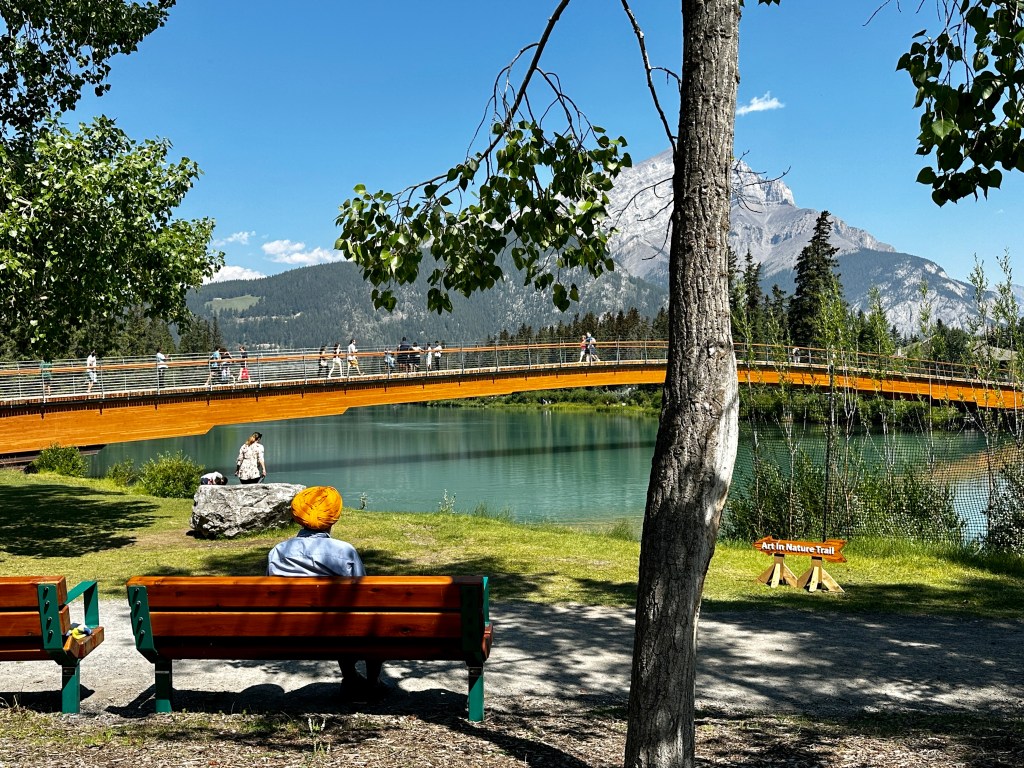
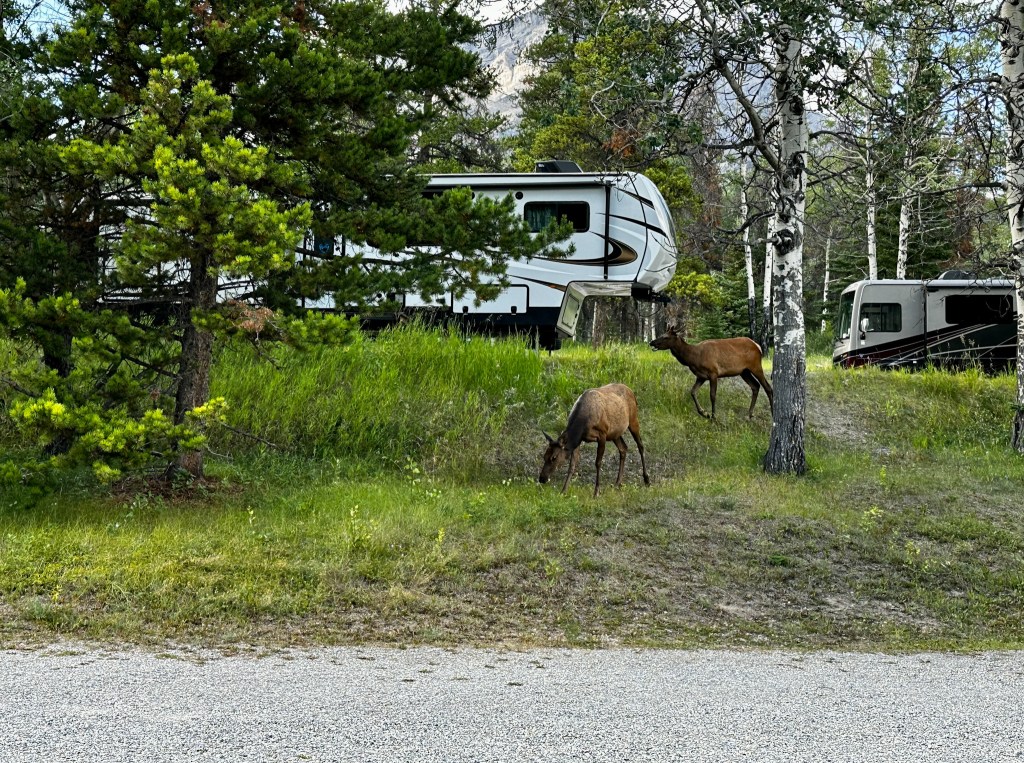
And then there are the campgrounds nearby. At Tunnel Mountain where we camped, there are 1150 sites estimated to have occupancies of 2.9 – about 3000 people on any given day. But here’s the thing – you would never know there were 3000 people in our campground. In fact, most of the time, I saw only a handful of people, and that was typically in the evenings when the elk walked among us and people were out enjoying the wildlife and sunset views. The national park is 2564 square miles, 96% of which is wilderness. That’s a lot of ground to cover when you visit this park, so why hang out in the campground?
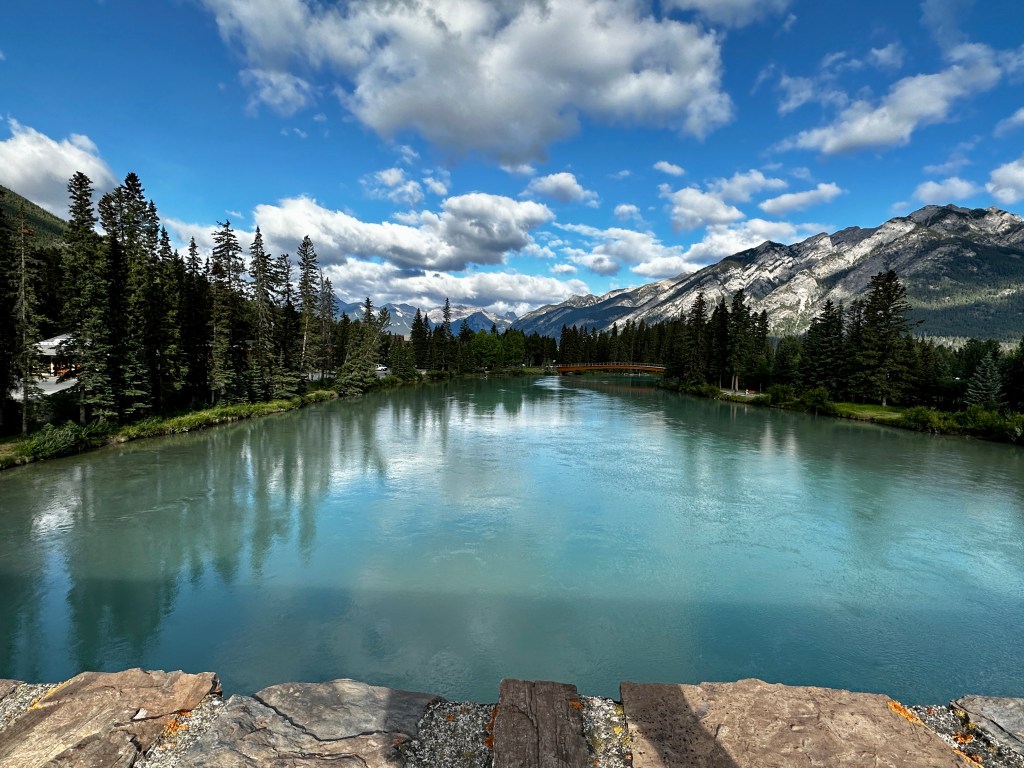
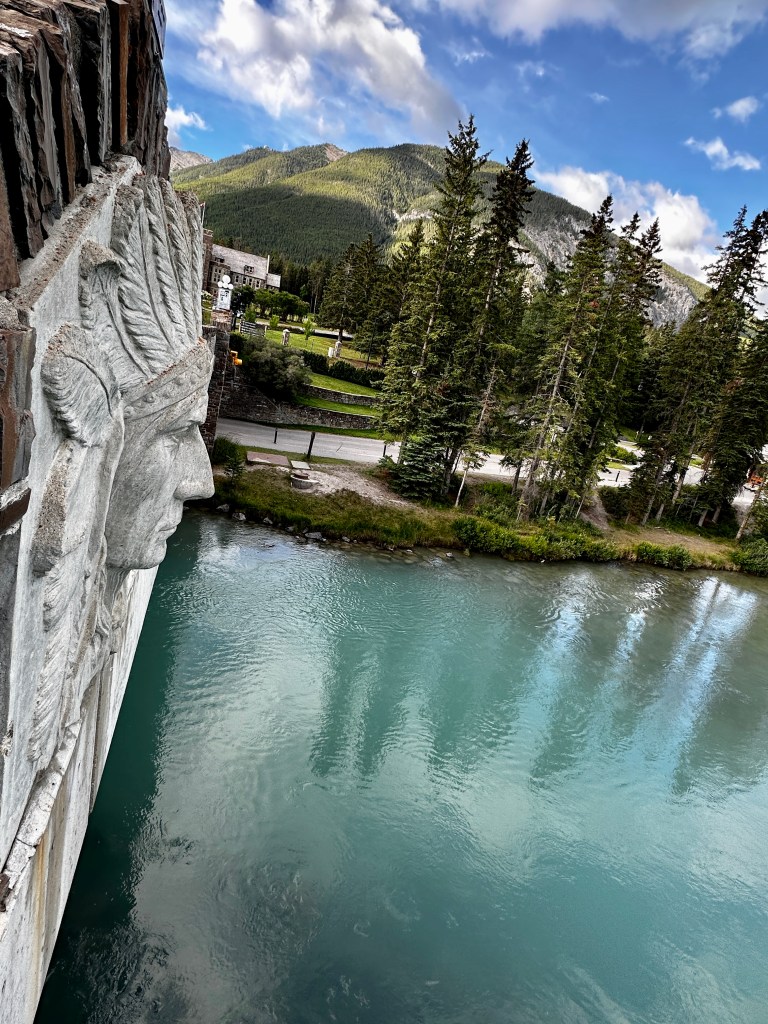
The town of Banff was not the draw for us, it just happened to be in the middle of the national park we wanted to explore and next to our campground. Despite its secondary appeal, we spent a good amount of time in town that was experiencing peak season during our 12-night stay. That gave us plenty of time to enjoy the rustic mountain resort charm. In the busy downtown where a variety of languages are spoken, we dodged the many social media influencers modeling their way backwards down the pedestrian streets with the Cascade Mountain in the background. With the laid back Canadian ambience, you find yourself not getting annoyed by such behavior because you are surrounded by a breathtaking landscape.
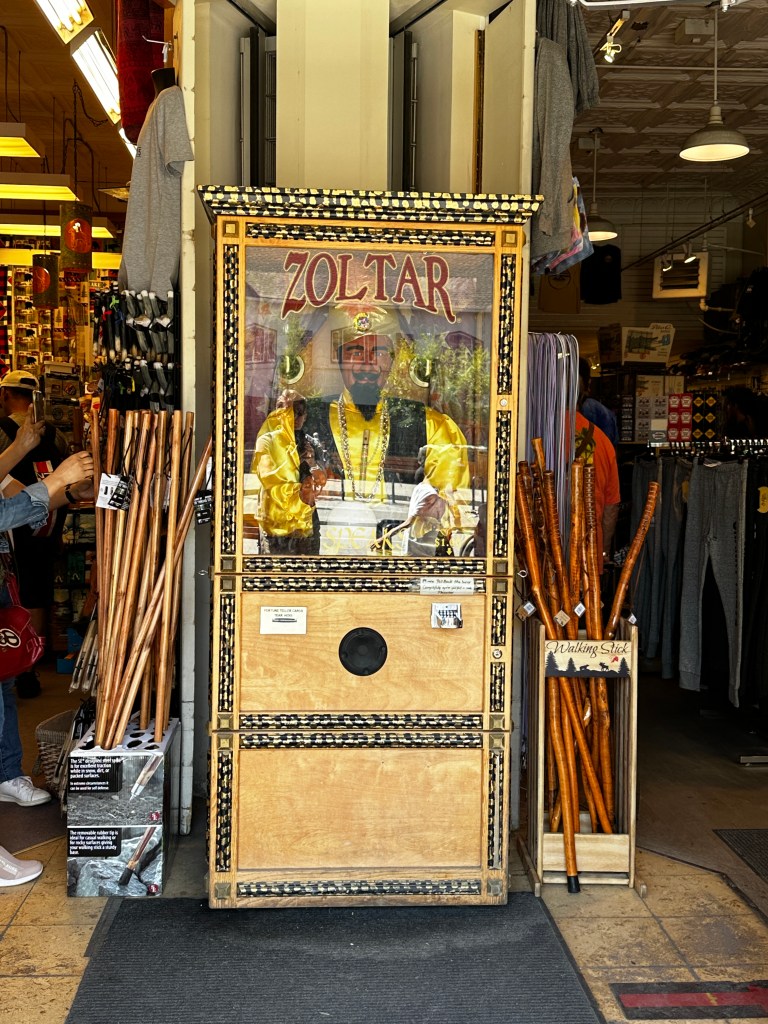

No matter where we were, we were reminded that this is Park Canada’s jurisdiction. And that fact was a good thing because Parks Canada does an impressive job. Employees were helpful, knowledgeable, and friendly. Facilities were clean and well maintained, as were the trails, the roads were a joy to drive on, and the campgrounds were places you could spend all your time in and still get the Banff experience -wildlife and all. And that is the point of this blog – without going beyond our campground and the town of Banff, we experienced the Canadian Rockies in a fantastic way. Despite all that – it was only the tip of the iceberg for our visit; because after all, we save the best for last (and for the next blog).


RV TIP
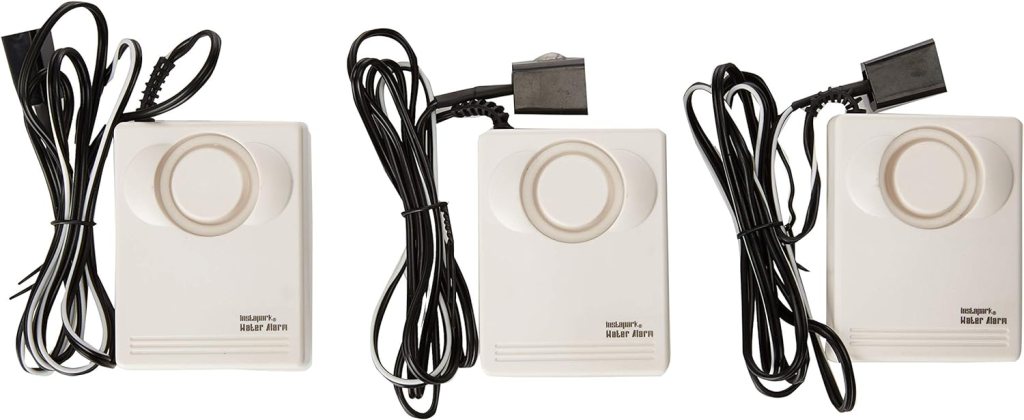
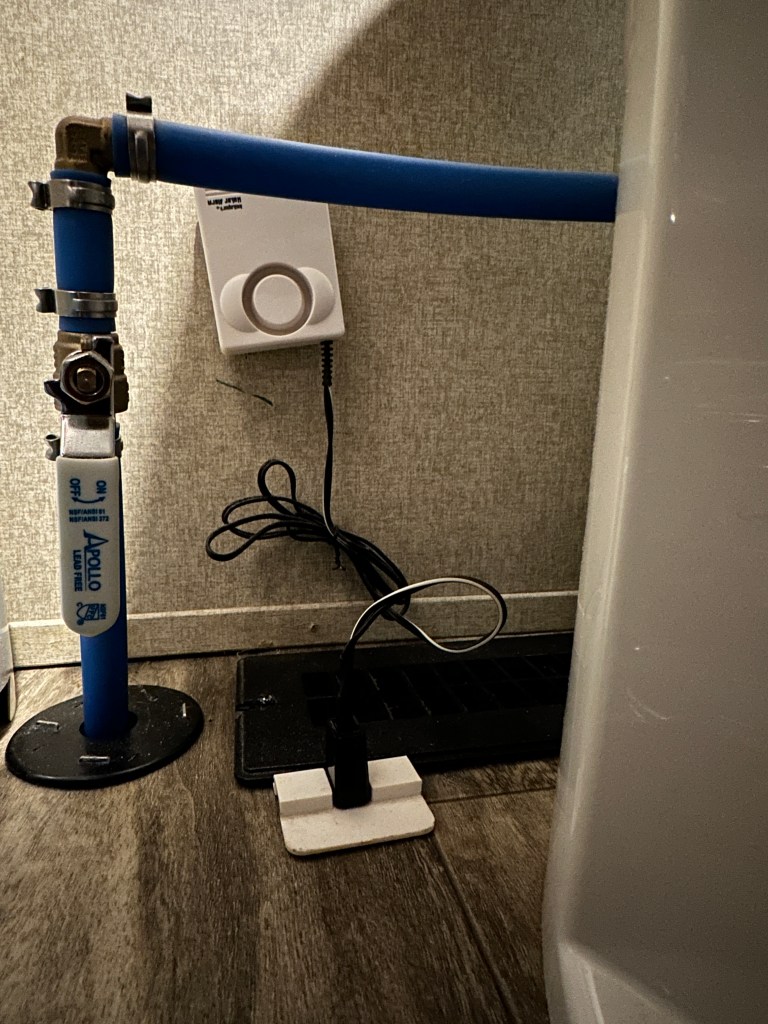
We gotta leak! That is one of an RV’ers nightmares. And not just the leak itself, but the damage it can cause. To give us some piece of mind, we have installed water sensors (Instapark Water leakage Detection Alarm and Sensor, low battery alert, pack of 3) in specific locations throughout the RV. These sensors are very sensitive to water and create an extremely loud alarm if the smallest amount of water makes contact. It may not make your RV fool proof from leaks, but it could ward off bigger problems that come when a leak does occur.
Oh, and about that low battery alert that comes with the sensor, after one year of use we discovered that the alert does work. It sounds like a slow water drip! After thinking we had a water leak somewhere, we realized the sound was the sensor’s low battery alert. Disaster averted!

 Changing Views From Our RV
Bob and I enjoyed visiting you in Banff. Through your pictures Connie, I have new appreciation for the beauty our country has to offer. Thanks for sharing your adventures! 🥰
LikeLike
Thank you Deanne! Our visit with you and Bob was the highlight of Canada for us.
LikeLike