Our tour of the Gaspé Peninsula did not begin in our favor. But, there’s always a silver lining – Vivian and I learned that we can change a flat by ourselves on our full ton pick up!


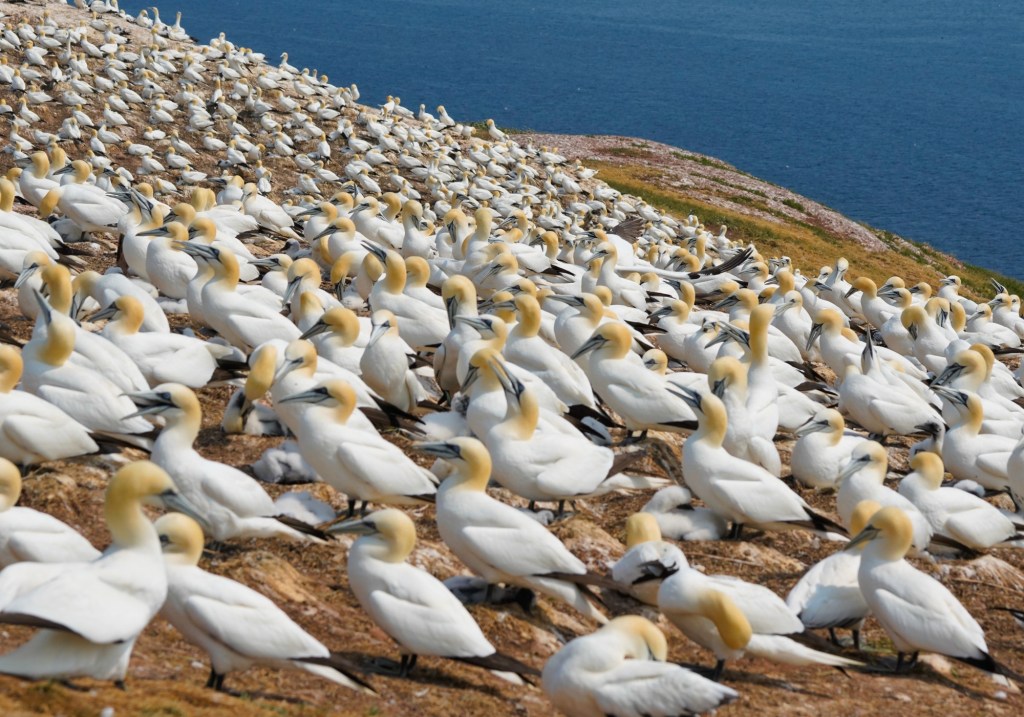
The good news doesn’t stop there. If not for parking overnight at an obscure place somewhere on the coast of Quebec, a place unfamiliar to us and probably 99.99% of the world’s population, we never would have visited one of the largest nesting northern gannet colonies in the world.

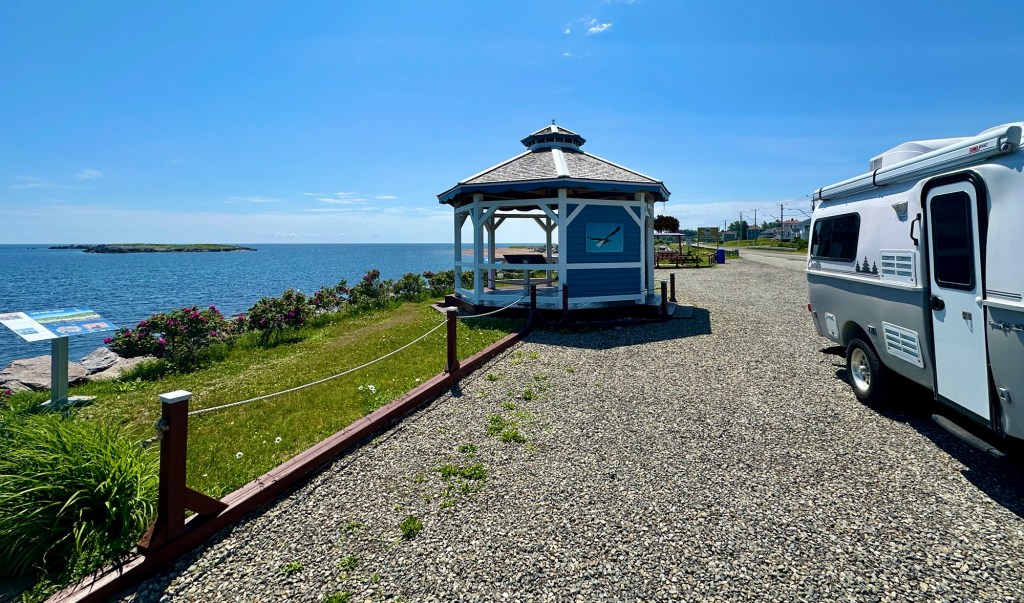
It was at Duthie’s Point near New Richmond, Quebec where British loyalists once settled and farmed the land that we had a conversation with a man from Montreal. It surprised us that anyone would be there as it is a little off the grid as far as site-seeing goes. But there he was, casually strolling on a trail with his wife and another couple.
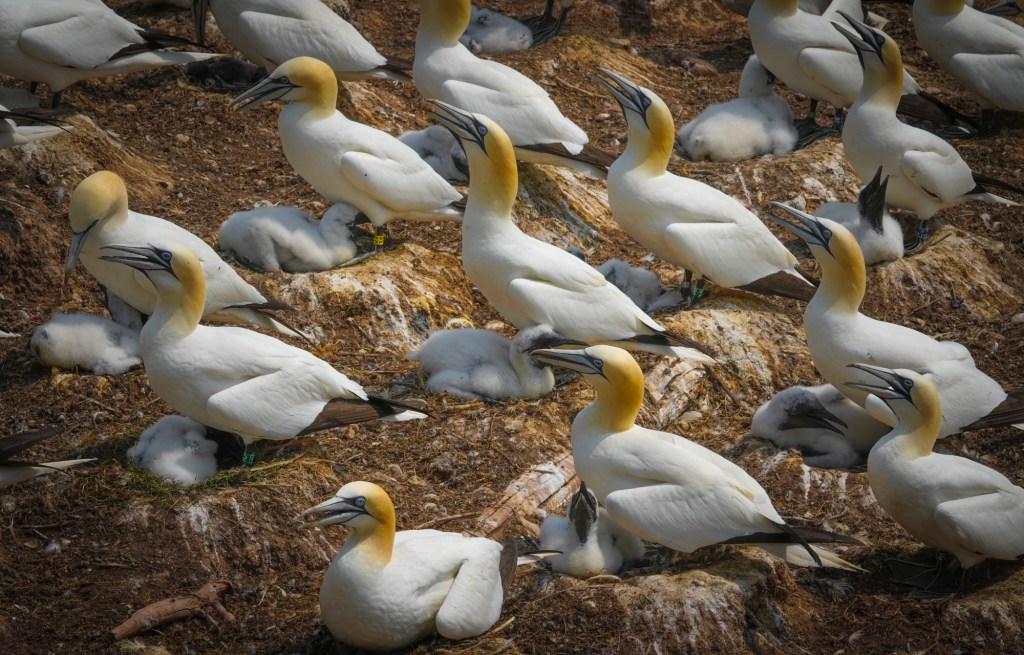
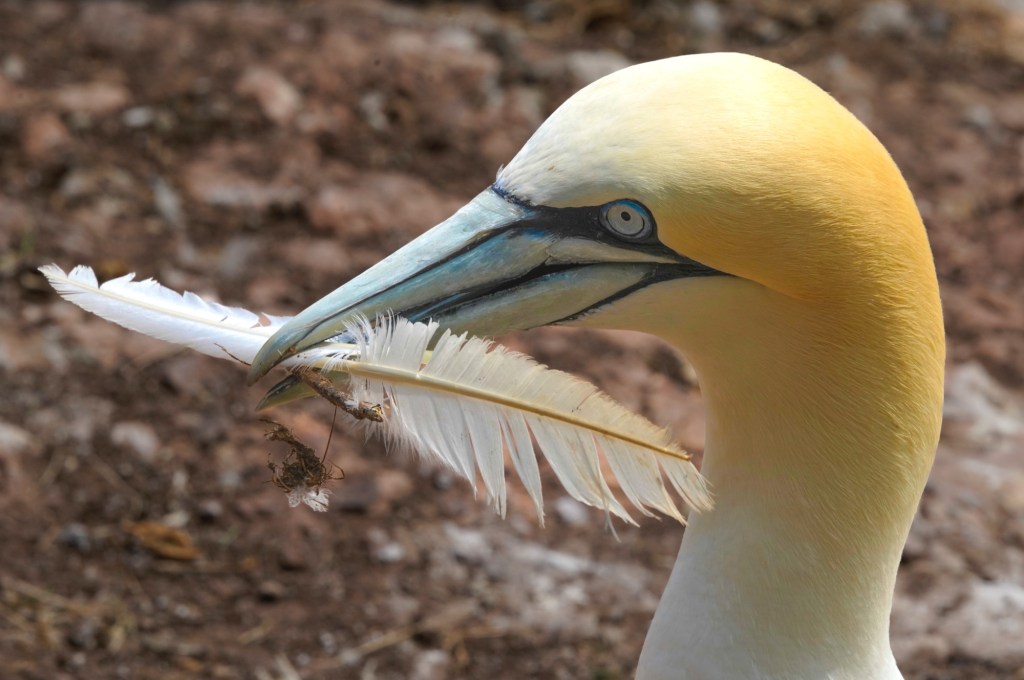
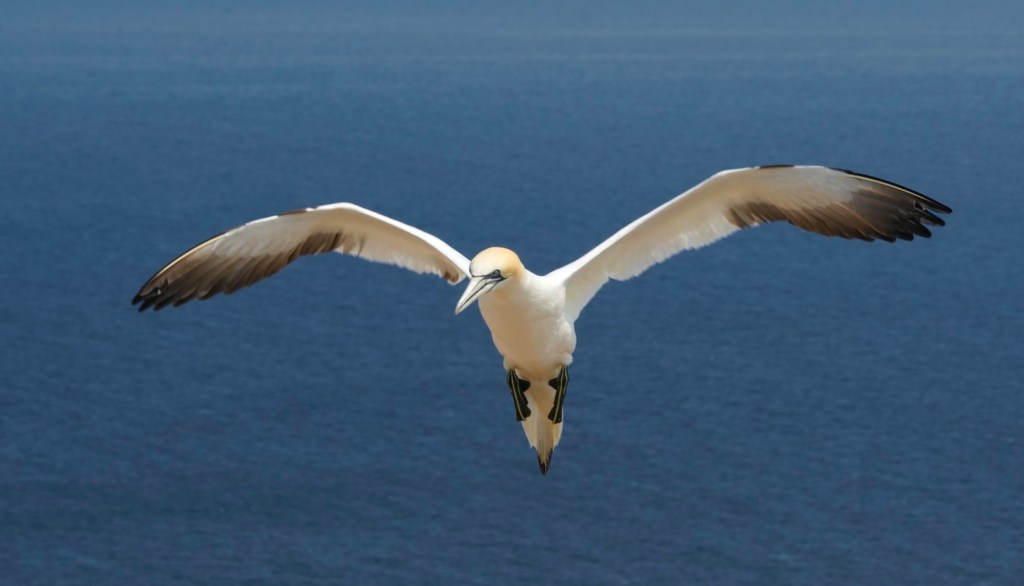
He spoke English so we struck up a conversation. Upon learning that we were heading to Percé to see “the rock”, he matter of factly asked if we planned to go to Bonaventure Island to see the – “what is that bird’s name?” As he struggled to remember, I used his description and asked Siri. The Northern Gannet, yes of course! A lovely bird with its bright orange nesting colors, photographed by many professionals in amazingly beautiful ways.

He told us it is a very famous colony because it is the only one in the world accessible to people. As I planned our travels around the Gaspé Peninsula, Percé was on my list of places to see and spend a little time because it has a famous prominent rock island off its coast, and supposedly its a cool place to visit.

I obviously did not do my research because the northern gannet slipped by me unnoticed. I had put all my planning eggs into the Newfoundland basket and neglected the Gaspé Peninsula portion of our travels.

So, by happenstance and the oddest of luck, a conversation with a stranger at Duthie Point reminded us that what comes with travel are the unexpected small encounters with people that have a knack for leading us into a grand experience unplanned at the beginning and in this case, would become one of the highlights of this 5-mon, 9000+ miles trip.
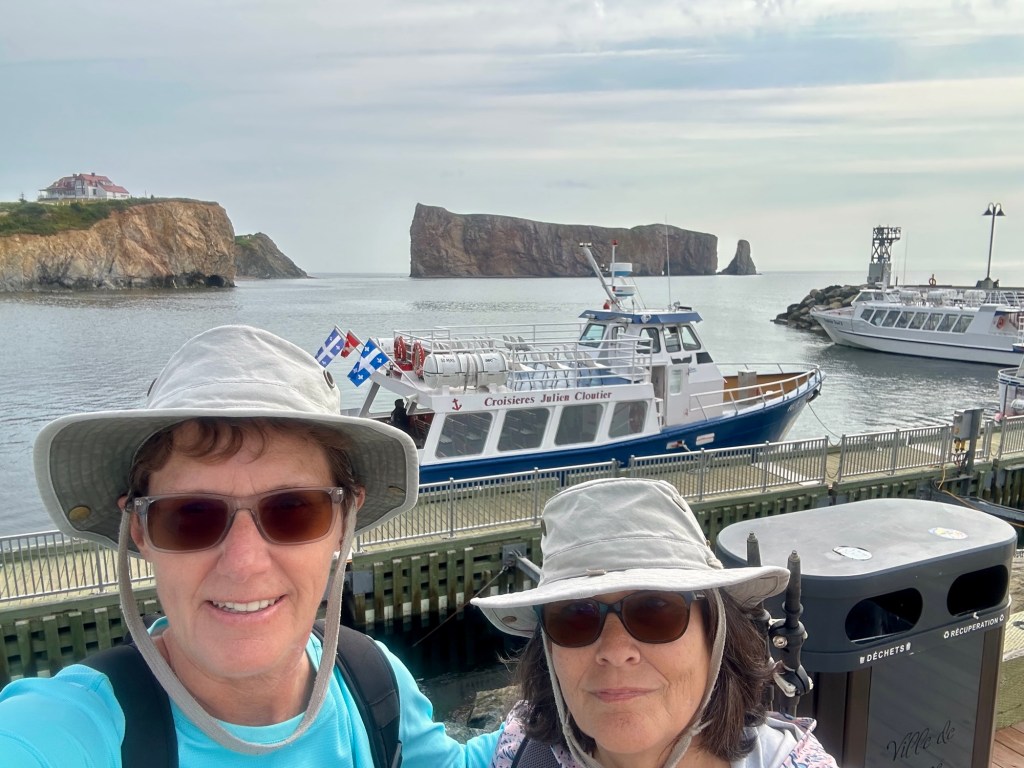
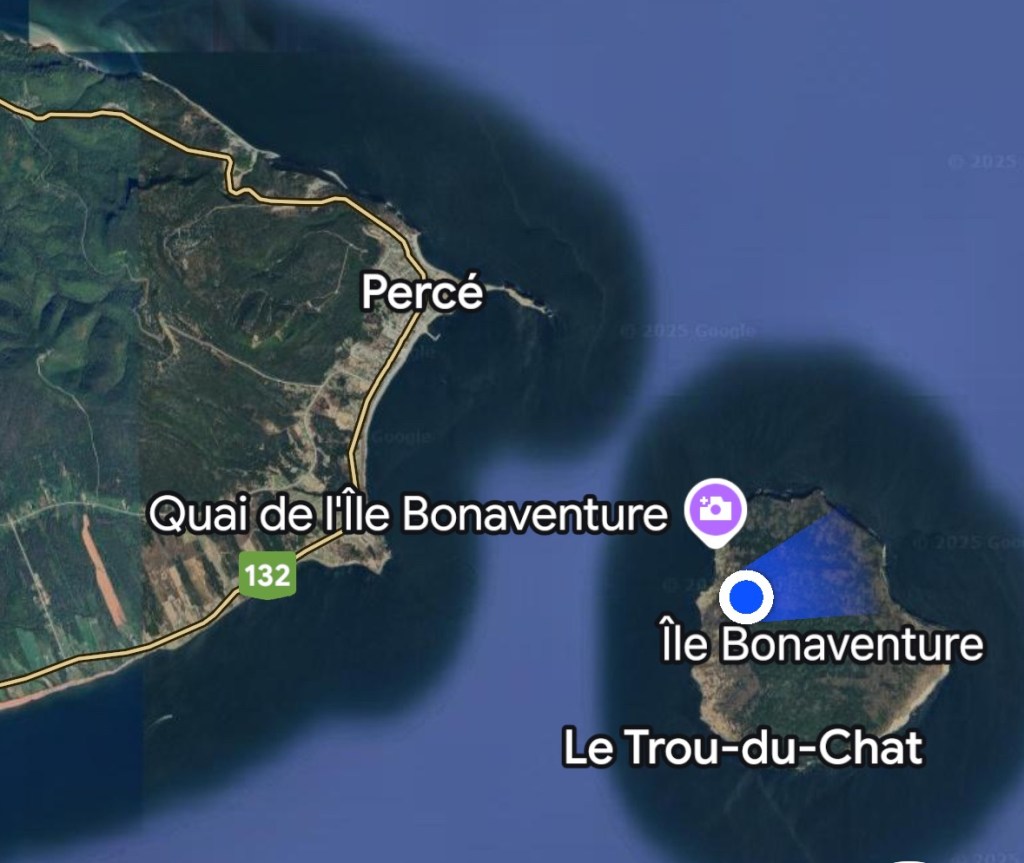
And that is why we got on a ferry one early morning and came to Bonaventure Island, Quebec’s Parc national de I’lle-Bonaventure-et-du-Rocher-Perce’. Upon entering the park and paying the fee, we hit the trail that led to the birds. It was about 2 1/2 miles, most of which was uphill. If you want to see the colony up close, you have to work for it. And we did, and before the crowds appeared. Enjoy these photos from the northern gannet colony on Bonaventure Island! Be sure to turn the volume up on the video (If I had a smell recorder, I would have shared that too!).
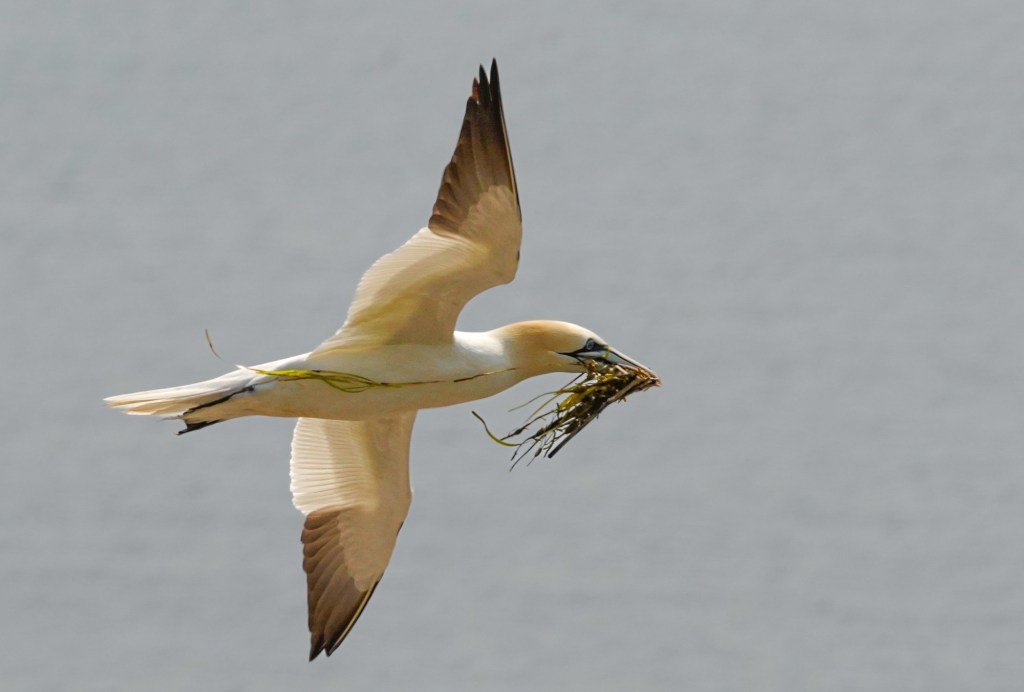
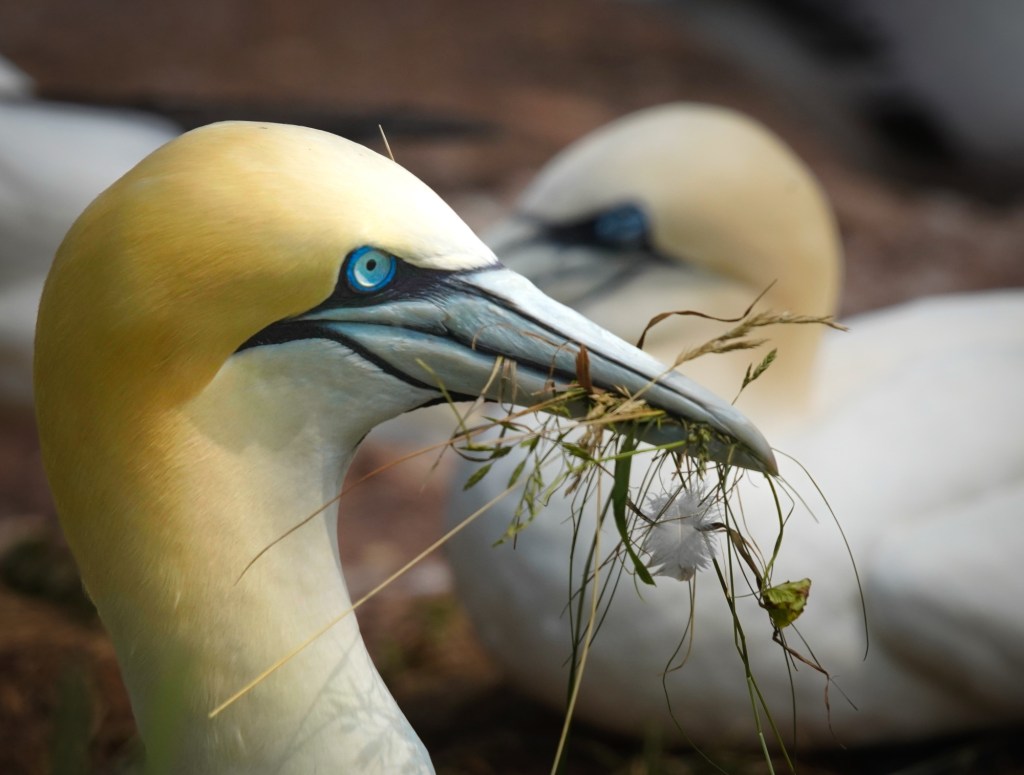






And last, there is more to the Gaspé Peninsula than gannets. Route 132 takes you around the entire peninsula and is a beautiful coastal drive (the road can be rough though). You’ll pass through many quaint seaside villages and there are plenty of scenic pull-offs.

While spending a couple nights at the town of Sainte-Anne-des-Mont, we drove into the interior to visit Gaspésie National Park (not Parks Canada, but a Quebec park). You can camp there as well, but this popular park was booked at the time we wanted to stay there. A day’s visit to this scenic park was worthwhile.


We visited Quebec City last year and you can read about that in our blog. Stayed tuned as we venture into a couple more Canadian cities.

 Changing Views From Our RV
Glad you didn’t have a smell-recorder! I know how nasty bird colonies can smell. The Gannets pictures are beautiful! When you encountered the flock did you feel as though you stepped into an Alfred Hitchcock movie??
LikeLike