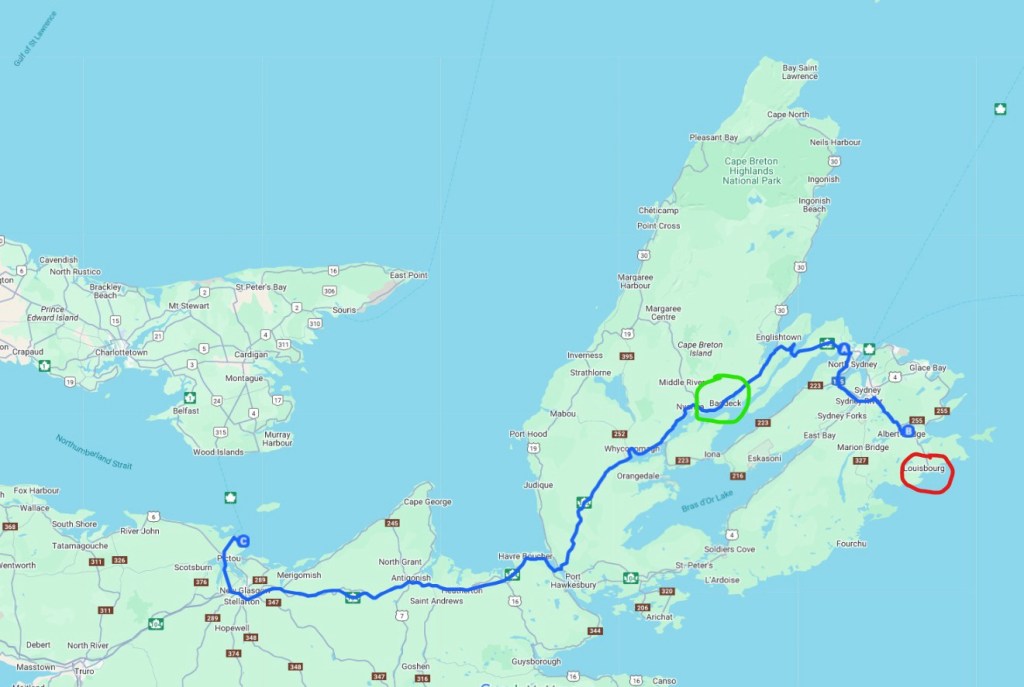
Canada – French or English? Or both? Coming from south of the border, I’ll not pretend to know much about Canadian history. But what I have learned since traveling in an RV through many of Canada’s provinces, is that it has a very robust French AND English heritage. Emphasis on the AND. But it wasn’t until we visited the Fortress of Louisbourg that we realized the Confederacy of Canada, founded on an Anglo-French struggle that did not end well for the French; holds firmly its French heritage despite a British victory.

As far as the struggle between the English and the French, the pivotal point took place in 1758 at the Fortress of Louisbourg, which was also a thriving maritime city of over 4000 people. The British attacked the fortress and the French surrendered. Next, the British used it as a launching point to capture Quebec and the remainder of New France. That was the end of French rule and shortly after, the creation of Canada. And to secure their win a couple years later, British engineers systematically demolished the fortress to make sure the French had nothing to come back to, in case of an inconvenient peace treaty that was known to happen between the two countries.
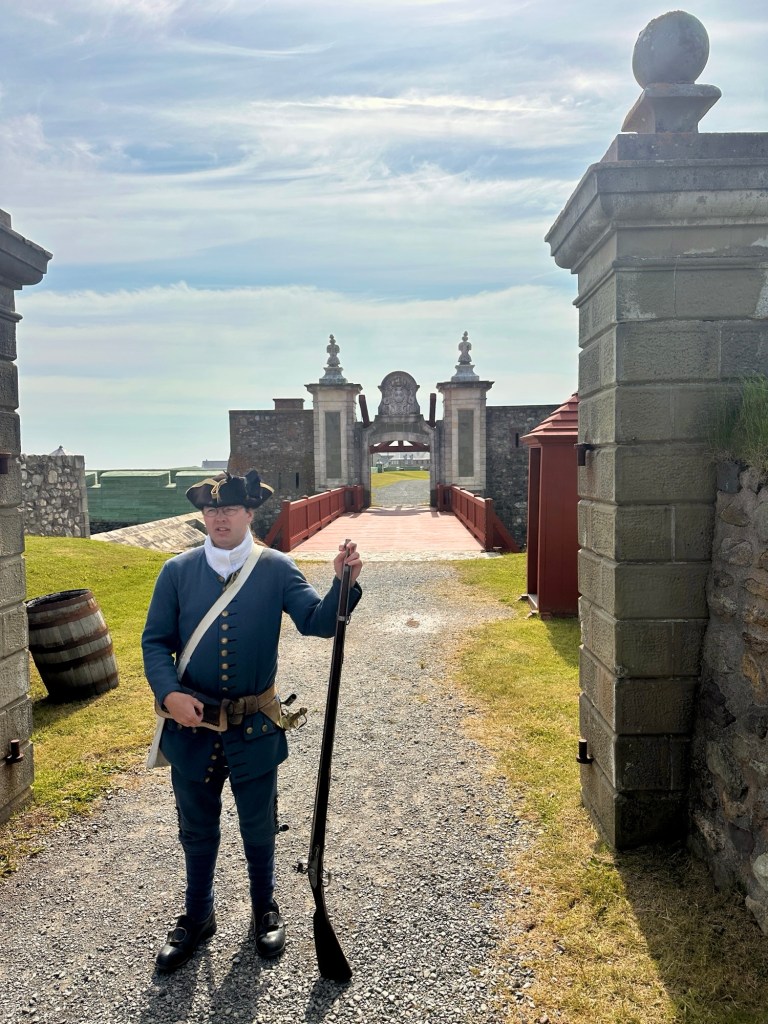
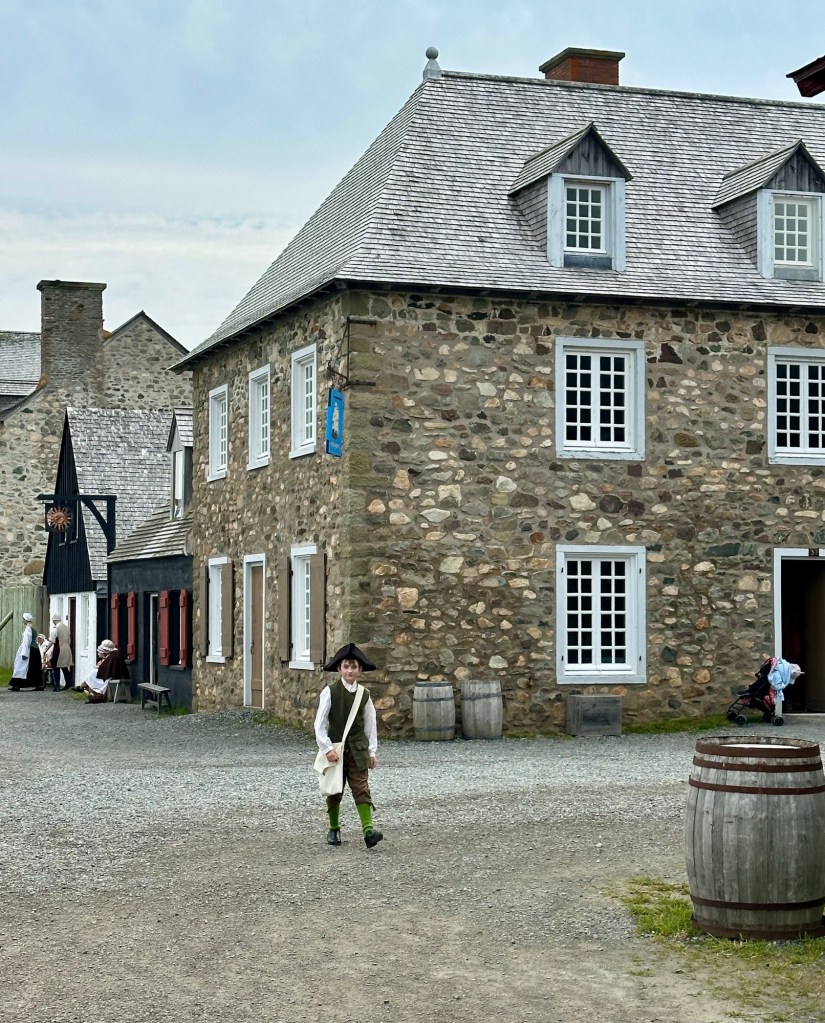
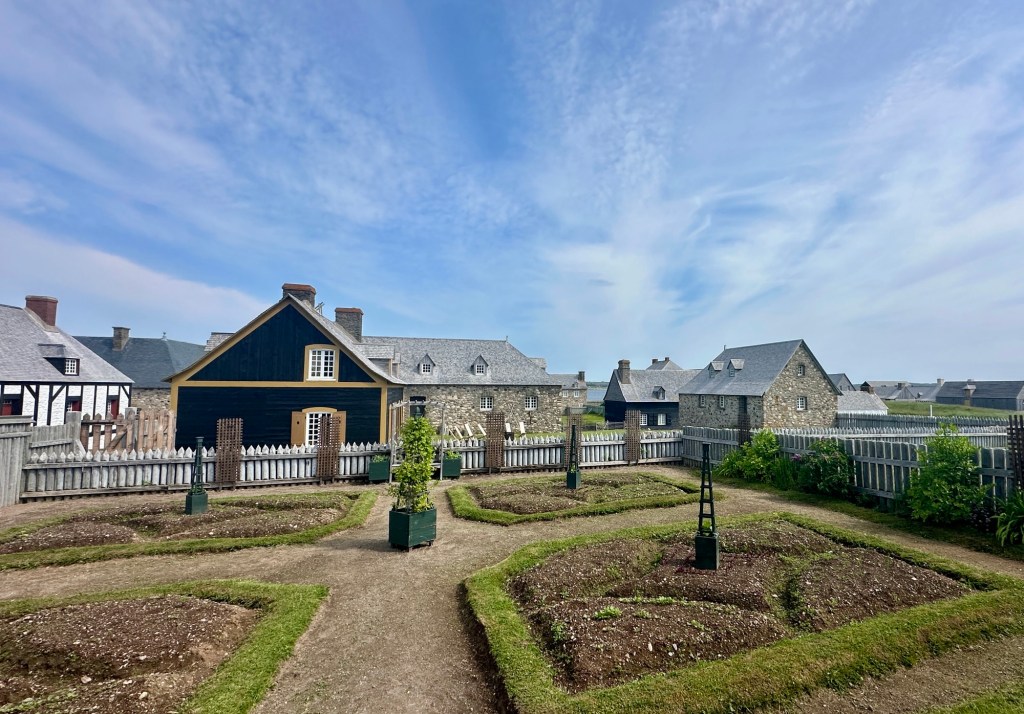
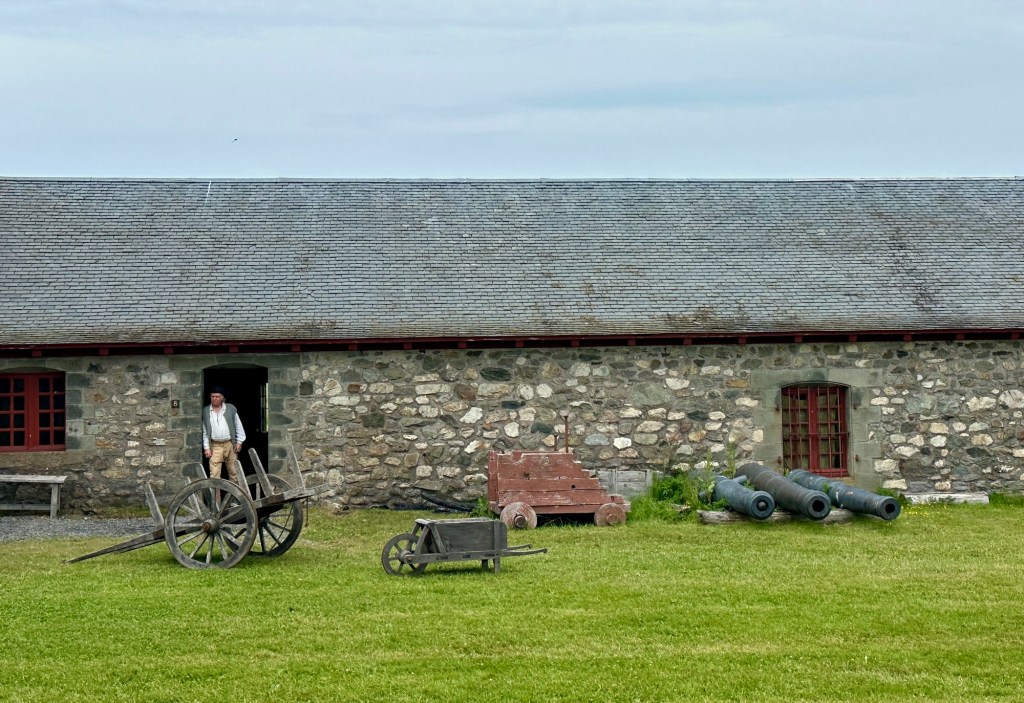
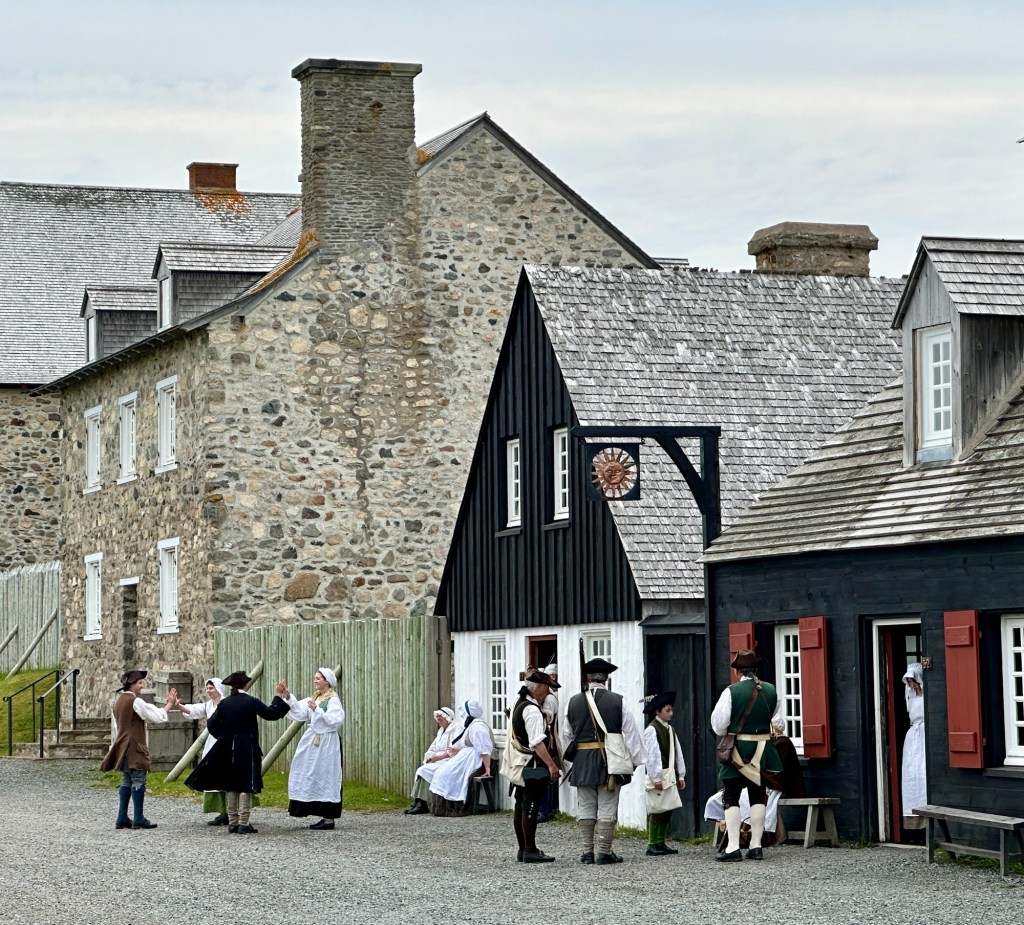
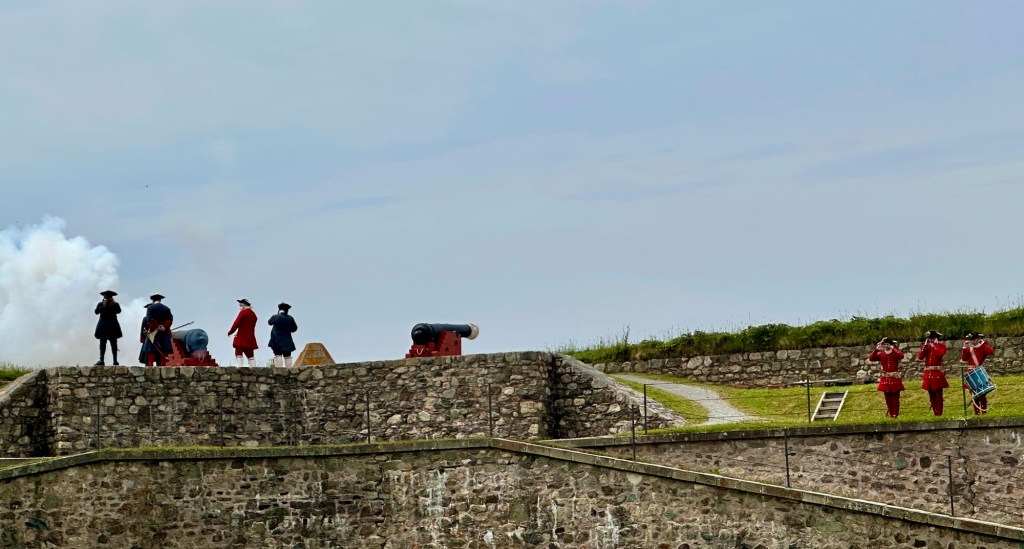
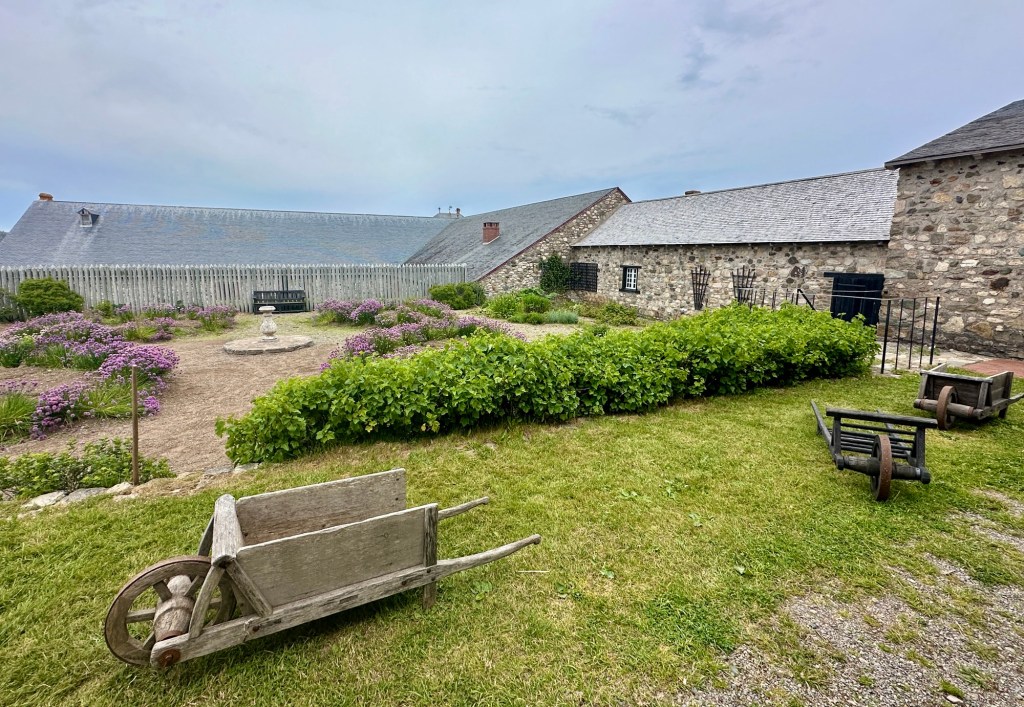
More than 250 years later, the site of the fortress was designated a National Historic Site. It had already become an archeological site where the 60-acre fortified town rested below a couple centuries of nature. With millions of artifacts uncovered over the years, Canada decided in 1961 to undergo a historical reconstruction of one fifth of the town and fortifications to recreate Louisbourg as it might have been at its peak in 1744. What all went into this major historical project is what makes this national historic site so worth visiting, a living history of Louisbourg from almost 300 years ago.




If Canada can pique your interest in a French outpost from centuries earlier, it can probably persuade you to visit another national historic site in Cape Breton that is completely dedicated to the life of one man. On our way out, we stopped at the Alexander Graham Bell National Historic Site in the town of Baddeck, Nova Scotia.

Everyone recognizes Bell as the inventor of the telephone patented in 1876, but few may know he was a prolific innovator and a pioneer in the field of deaf education. Although his achievements are very much on display at the historic site, it is really the intimate glimpse into his life with his wife Mabel Hubbard Bell that we found fascinating.


How is Bell connected to Nova Scotia? He and his wife Mabel Hubbard made Baddeck, Nova Scotia their second home in 1885 because it reminded him of the lakes and hills of his native Scotland and it was, as Mabel described it, “a place far enough from fashionable centres to…put our little girls in trousers, and live a simple, free and unconventional life.”
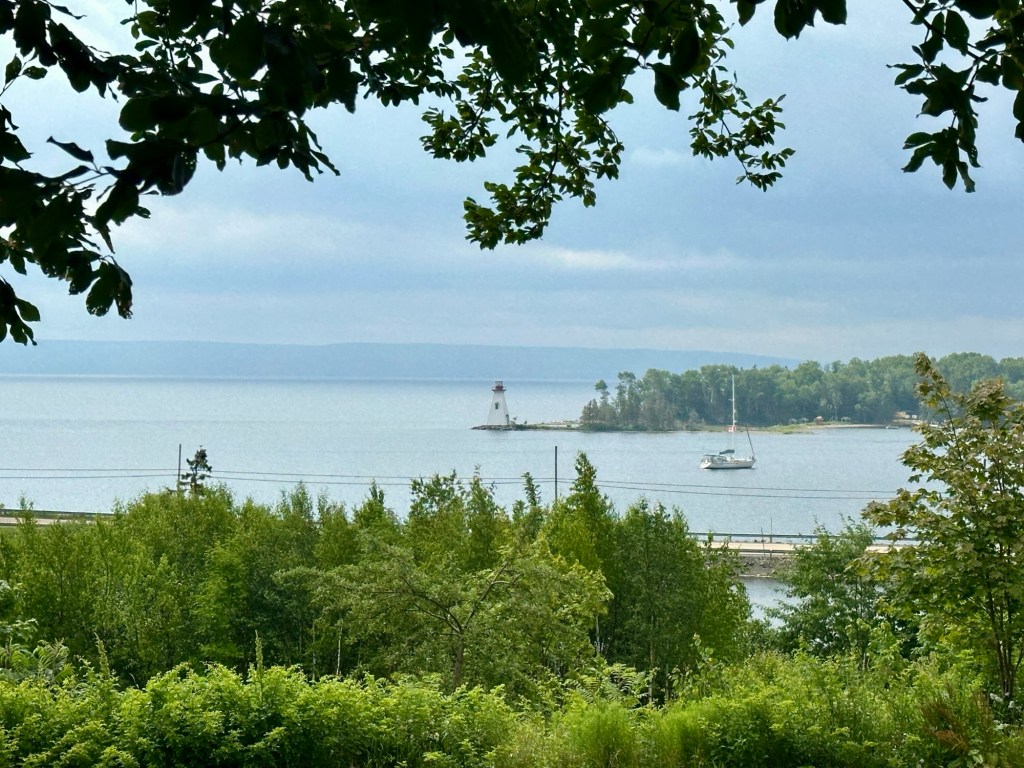
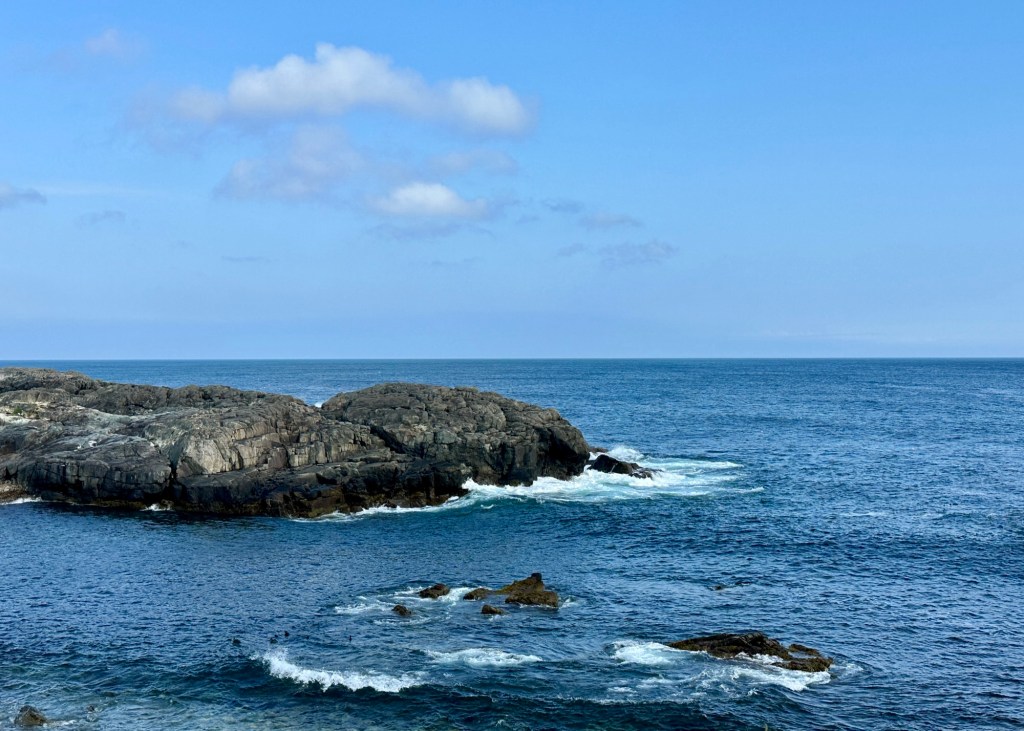
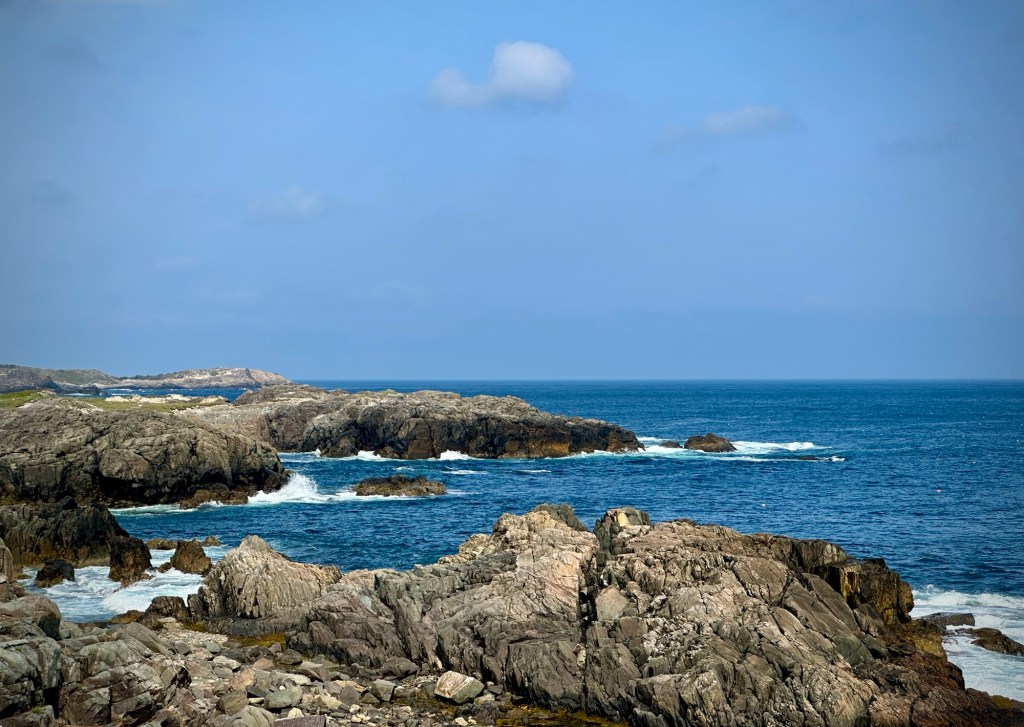
If you come to Cape Breton, don’t forget its beautiful coastline. We came here a year ago and stayed within its national park and explored the famous Cabot trail. This year, we came only to Louisbourg for a short time, long enough to capture some scenes from its hurricane-swept (Fiona in 2022] coast along the newly reopened Louisbourg Lighthouse trail.



Stay tuned for our next blog where we explore three more Canadian national parks.

 Changing Views From Our RV