
Leaving Wyoming, the least populated state in the union (about 580,000) and coming into a campground adjacent to Interstate-25 and located a tad north of the the Denver metropolitan area where almost 3 million people reside should have been a rude awakening for us. Despite its location, St Vrain State Park was a peaceful oasis and gave us a refuge from the traffic and crowds each day after sightseeing.
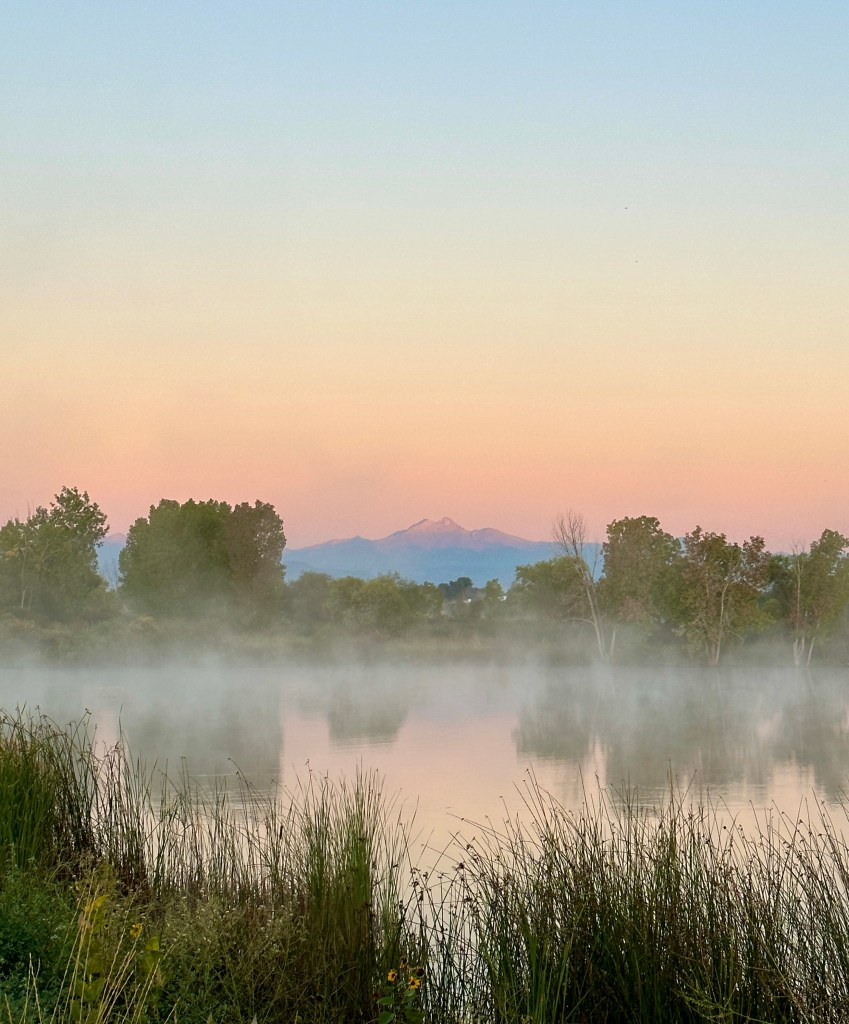

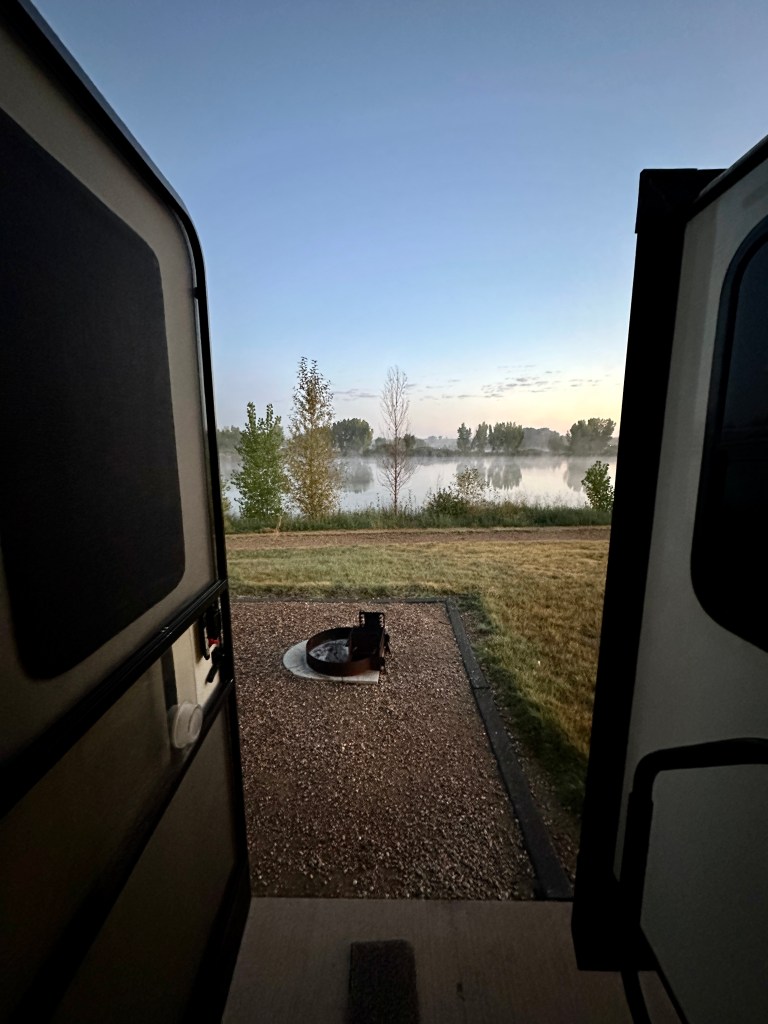
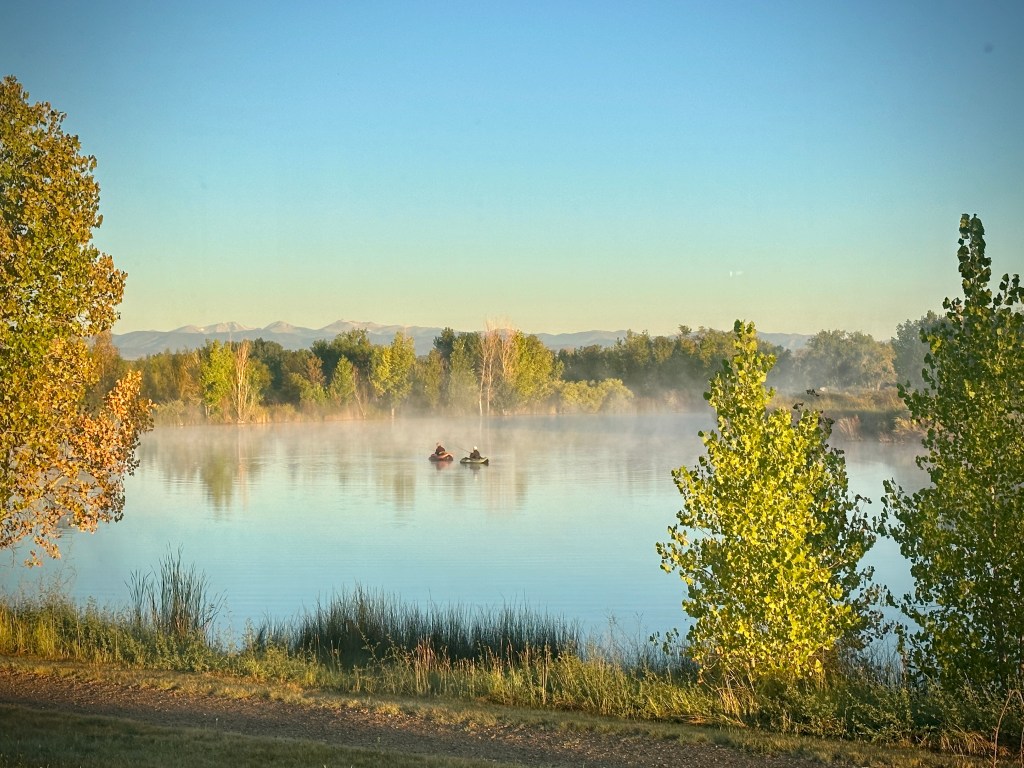
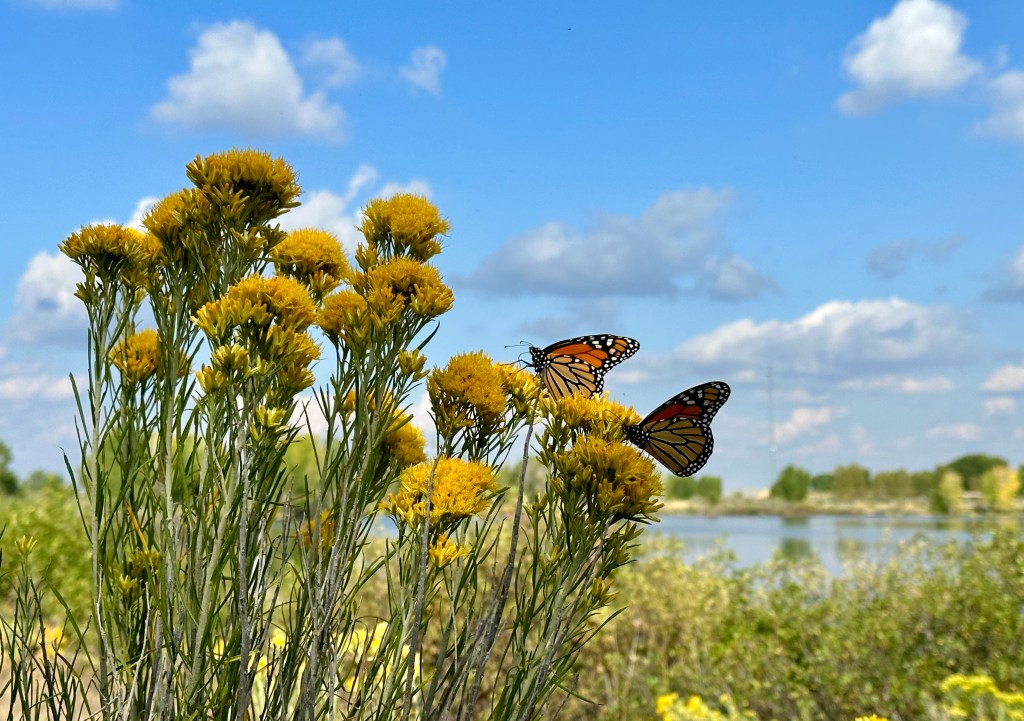

Our careful planning brought us to St Vrain on a Sunday. One week later and again on a Sunday morning, we continued south along the busy I-25 corridor to another Colorado state park, this time near Colorado Springs. Yet another sanctuary in the middle of an urban sprawl, Cheyenne State Park is located at the foothills and valley floor of Cheyenne Mountain that overlooks the military bases that spread out over much of the area.
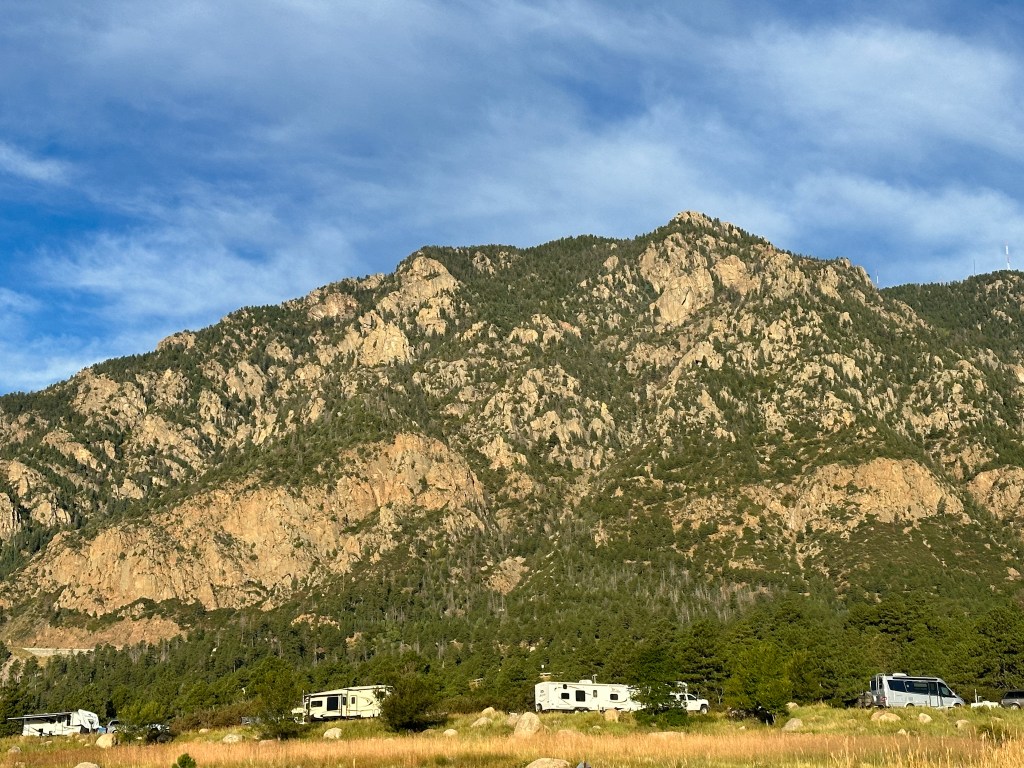

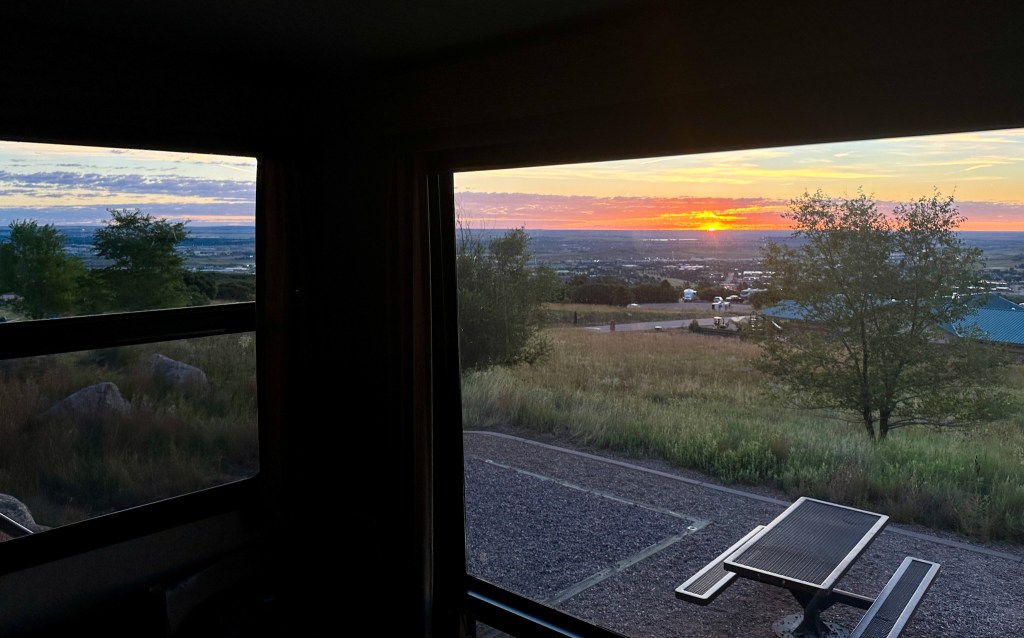
Each morning, we awoke to Reveille from Fort Carson. 
Many hiking trails in the state park through the foothills shrublands (6000-8000 ft altitude). 
The park provides trail placards that warn hikers to keep ‘an eye on the sky”. 
Don’t seek shelter under tall, isolated trees. 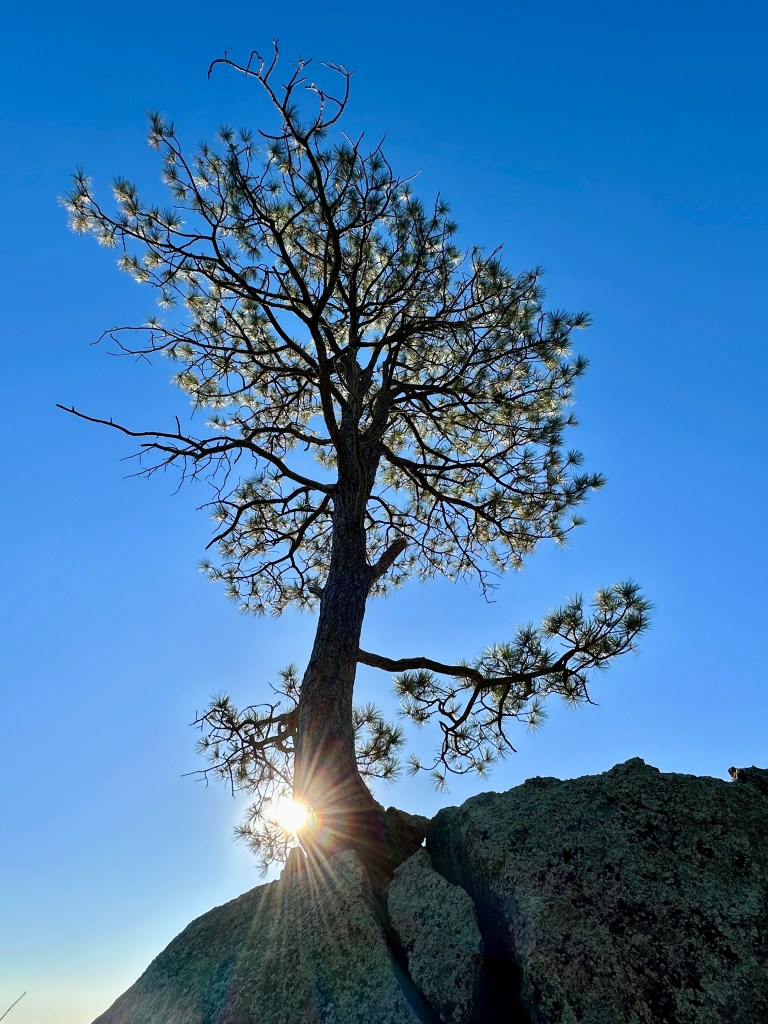

South facing slopes can be 38 degrees warmer than the north-facing slopes. 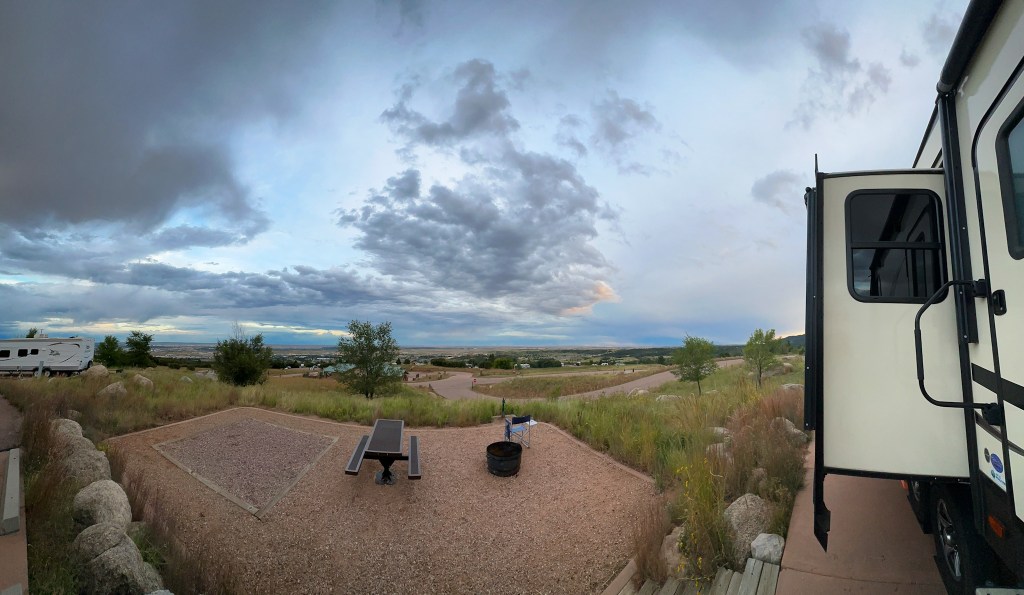
I couldn’t help but contrast Wyoming and Colorado for the obvious difference in population. But still, the two square states have plenty of similarities, both embody high altitude living with the two highest average elevations among the 50 states. So why did Colorado end up with ten times the population of Wyoming? One word – gold. The Colorado Gold Rush that began about 1858 brought over 100,000 people to the Pikes Peak area. Many invested their wealth into communities such as Colorado Springs. Even those not so successful were inclined to stay in the area for many reasons, including the so-called medicinal value of the springs.
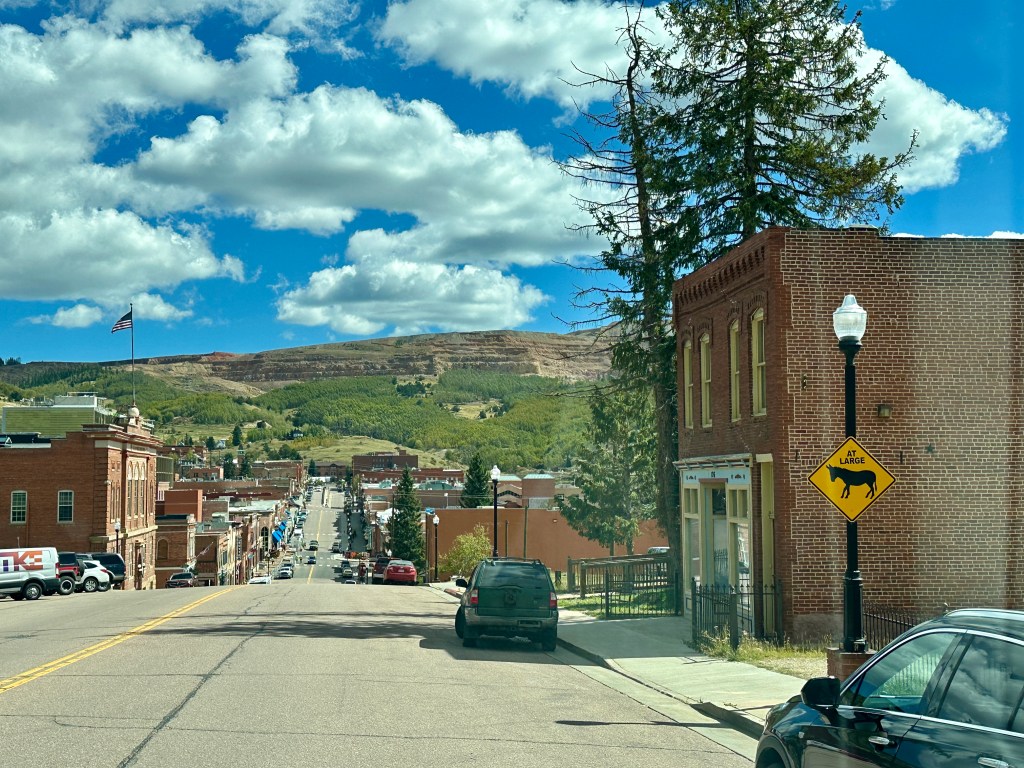

Along Highway 67 are over 500 mines between Cripple Creek and Victor. 
Overlooking the City of Mines 
More than 50,000 people lived in the district of Cripple Creek & Victor during the 1890s to early 1900s. 
These mines produced over 21 million ounces of gold, more than California and Alaska combined. 
The city of Victor had its own stock exchange by 1900. 
It also had 75 saloons. 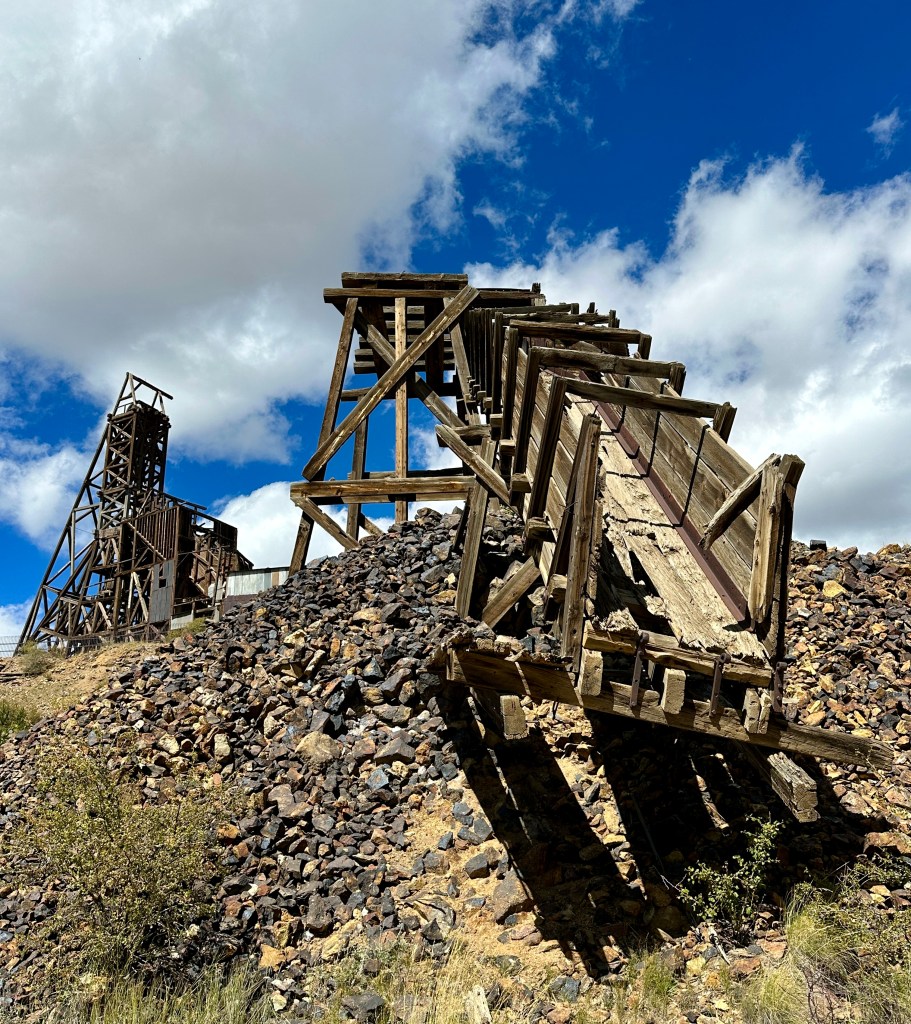
Colorado Springs reaped the benefits of gold mining and from its hot spring retreats. But with the capping of gold prices and discovery of penicillin, the halcyon days of the ‘spa town’ would come to an end. Right about the time of WWII, community business leaders got the brilliant idea of offering the War Department some ranch land to build upon. Their foresight not only brought Fort Carson to Colorado Springs in 1942, but eventually led to more land giveaway for the following – Peterson Space Force Base, the U.S. Air Force Academy, Shriever Space Force Base and Cheyenne Mountain Space Force Station.

Despite the densely populated region, Colorado has done splendid work in providing a wilderness-like experience within its urban boundaries. In addition to the two state parks we stayed at, there are many others in the area as well as city parks that bring in visitors from all over. If you can stand the traffic to get to one of these parks, the stress of driving will quickly dissipate as you hike among the Garden of the Gods or the Red Rocks.
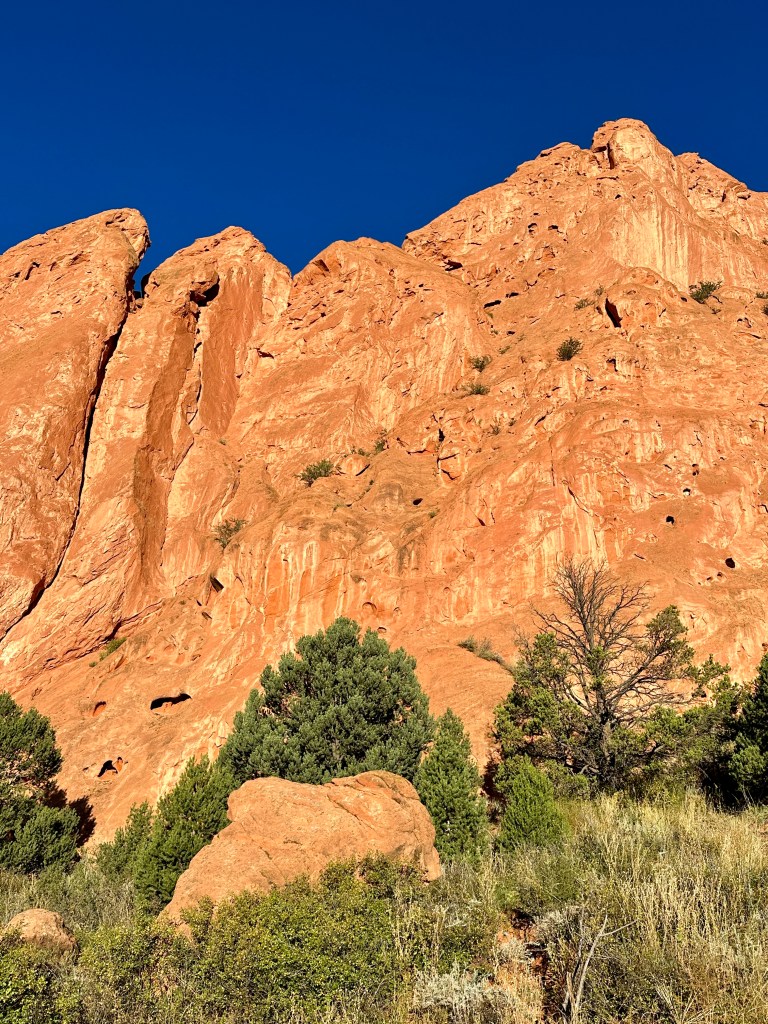
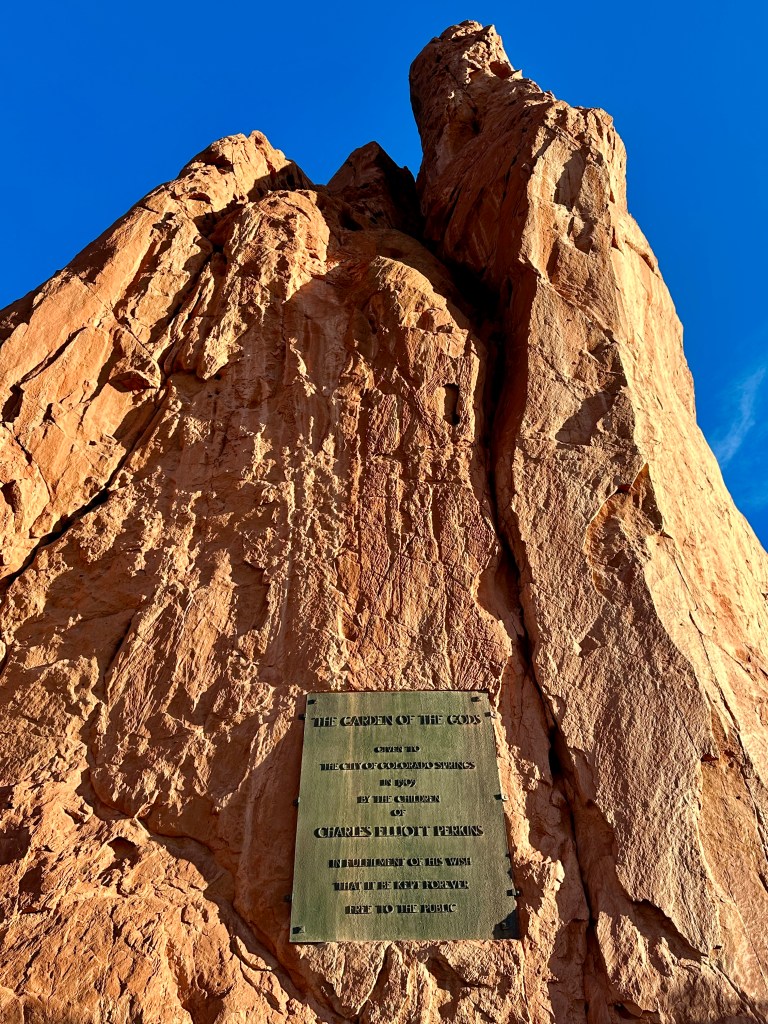


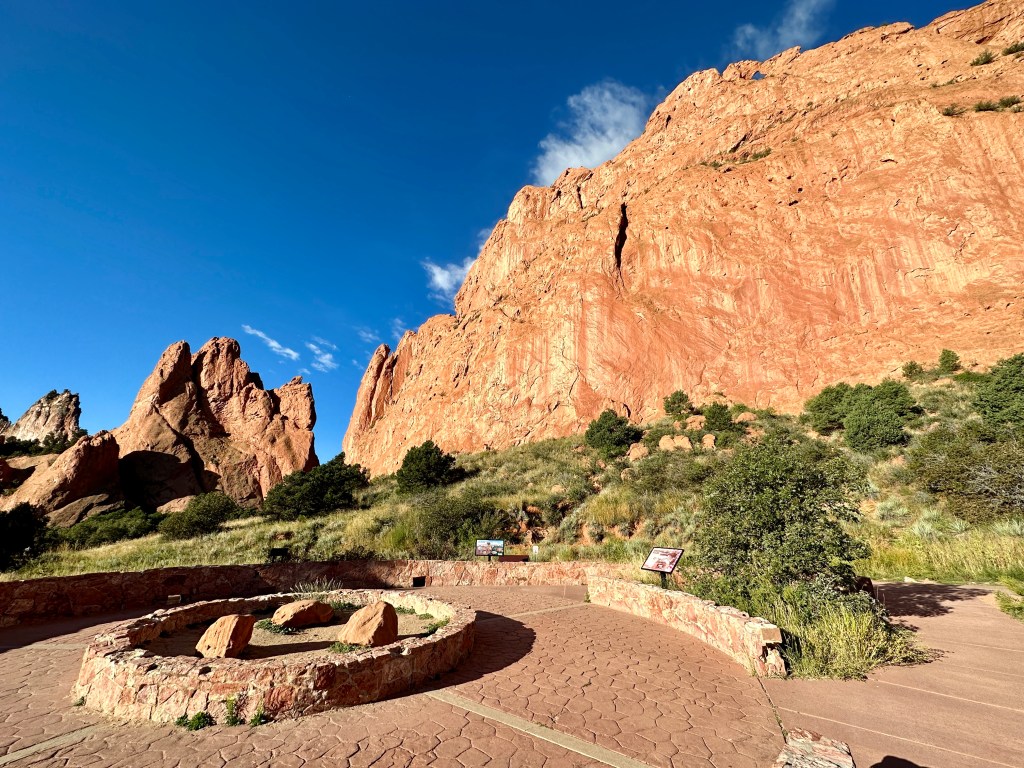
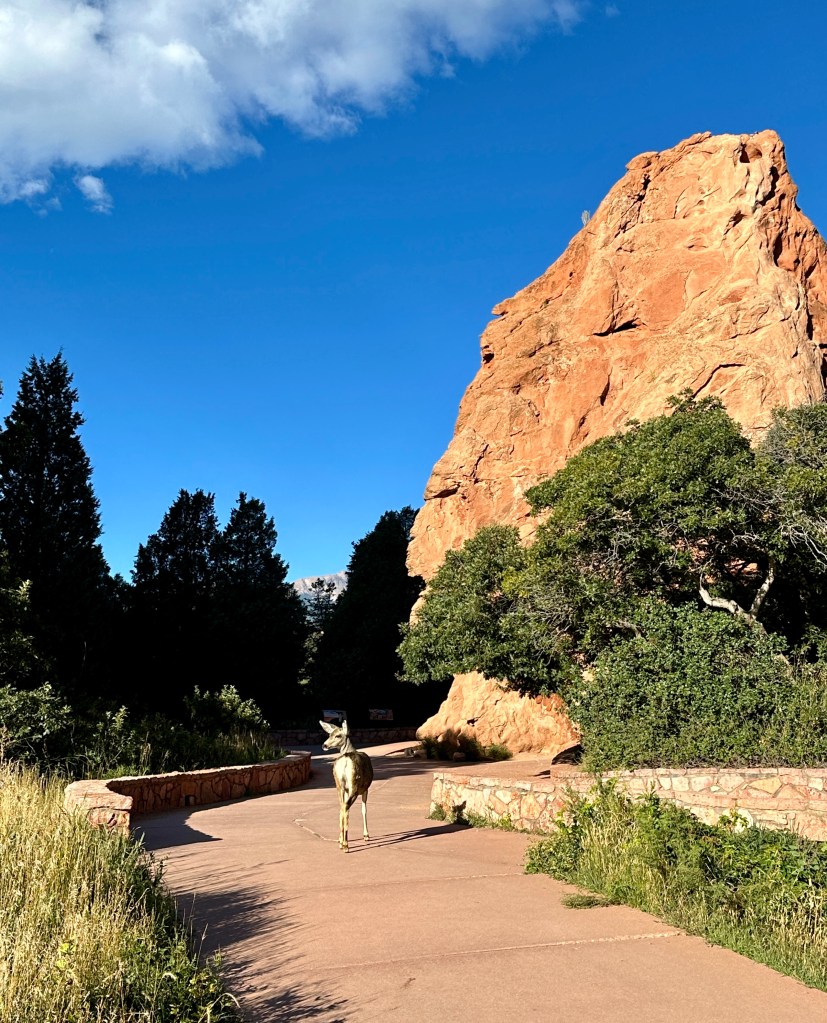

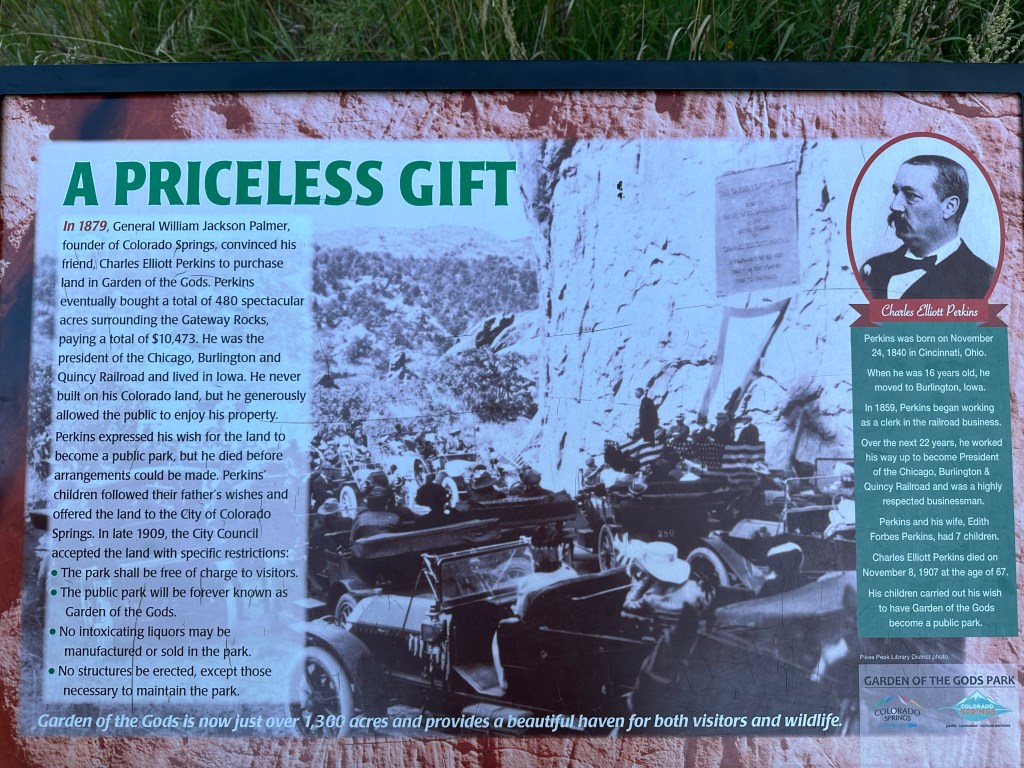
These public spaces are what define the eastern side of the Rockies in Colorado. In the shadow of the mountains, the foothills give way to a valley that endlessly spreads to the east to become the Great Plains. This side of Colorado is a vestige of vertical rocks and altitude before giving way to the open spaces of the flat land.
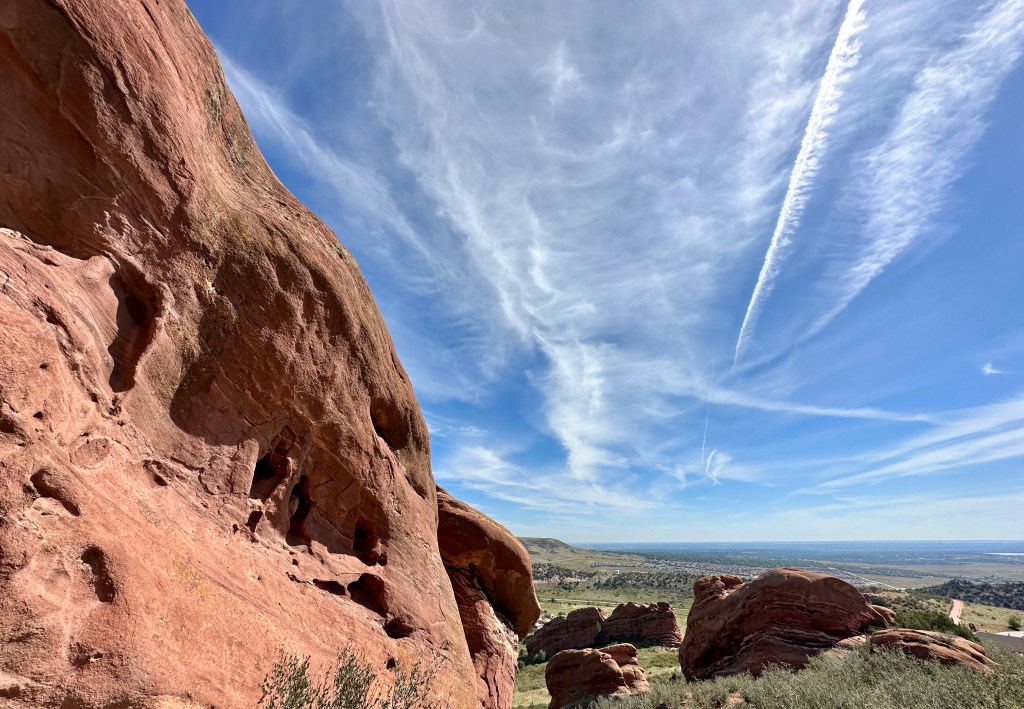


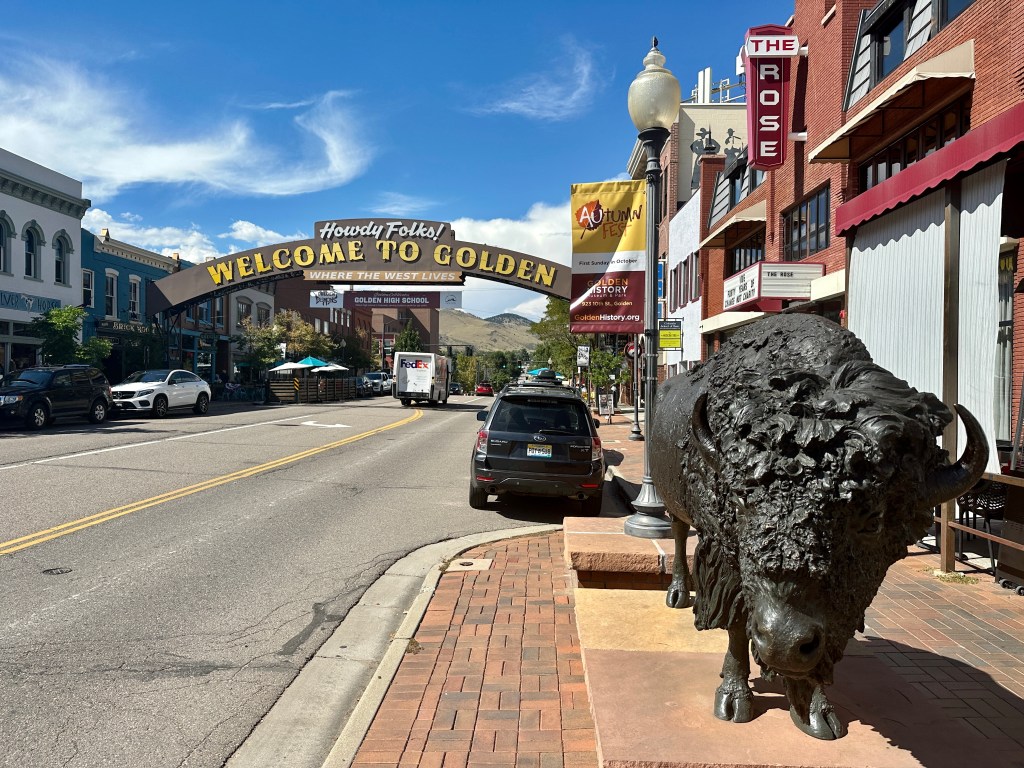
The two months of travel through the Rocky Mountains and as far north as Jasper National Park in Canada ended with two weeks in Colorado. It was now time to leave the mountains behind us and head east. Stay tuned for our next stop, which begins with the ritual of adding a state sticker to our travel map.
RV TIP
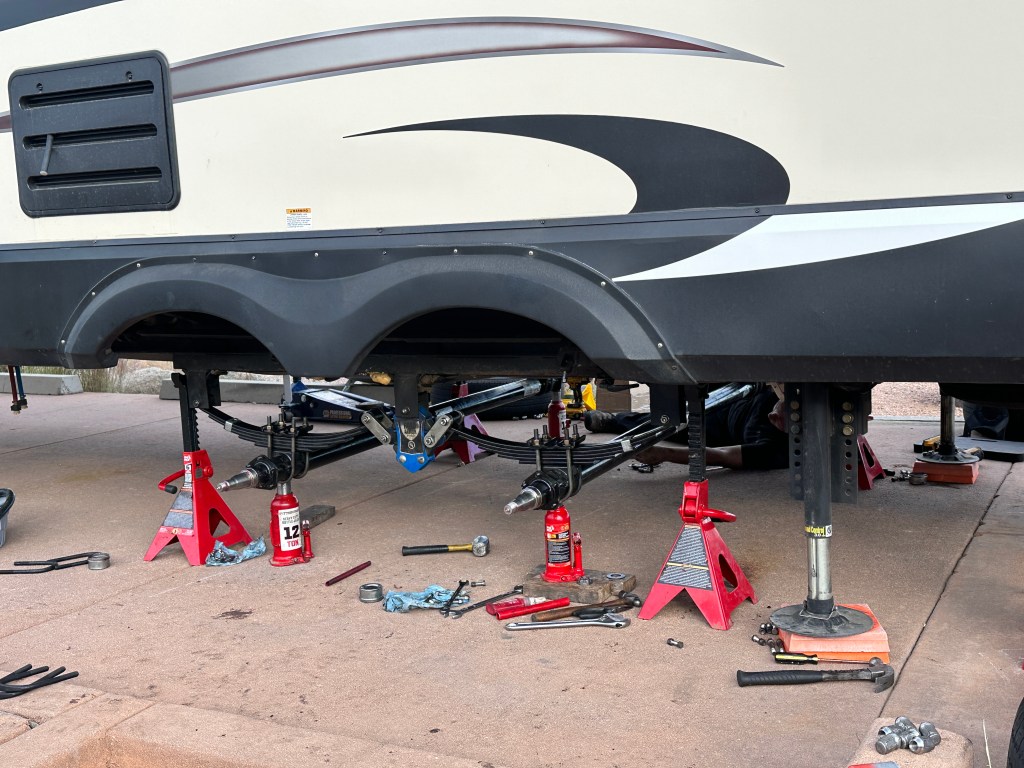
Repairs, repairs, repairs! Sometimes you just have to deal with it. If you find yourself needing repairs while staying at a campground, be sure to communicate with the owners/management. Not only that, campgrounds can be good sources of information concerning local businesses and sometimes will have an RV service person on the premises. We had scheduled a mobile technician to replace our axles among other things. This is quite the job. Cheyenne Mountain State Park was the most convenient location to do this, so we called the park in advance and asked if it was allowed. Thankfully, the techs were allowed into the park to do their job.

 Changing Views From Our RV