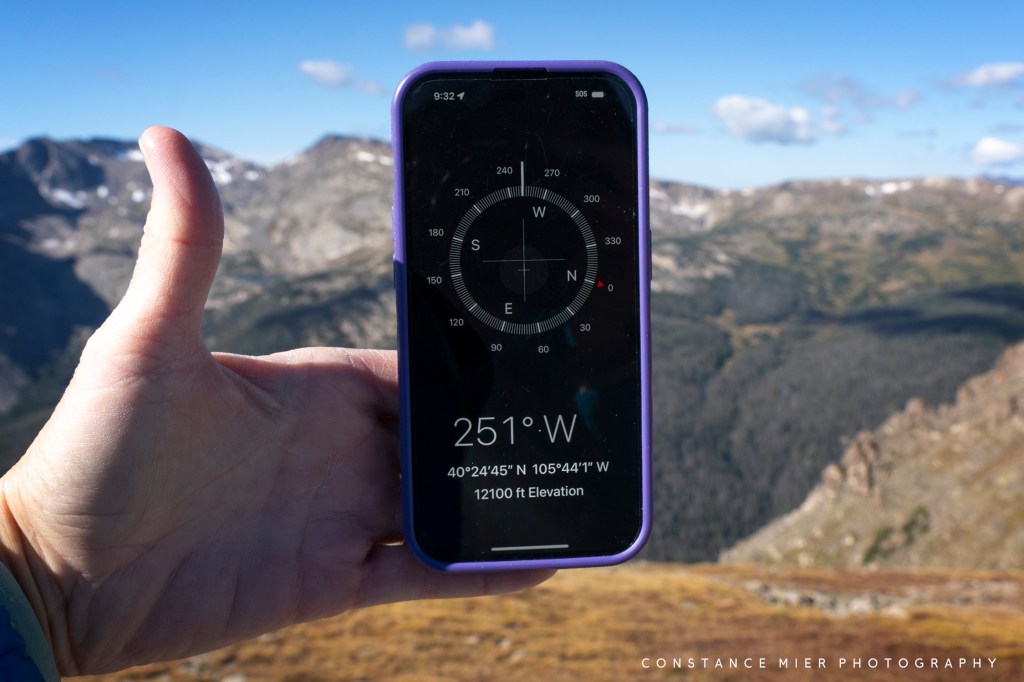
If you’re going to travel in an RV through Wyoming and Colorado, plan to spend most of your time a mile high or higher. After all, both states embody high altitude living, with Wyoming’s mean elevation of 6700 feet, second only to Colorado which is the highest among the states at 6800 feet (in case you are wondering, Alaska has a meager average 1900 feet). Without the experience of the breathtaking effects of high altitude, you haven’t yet experienced Wyoming or Colorado.

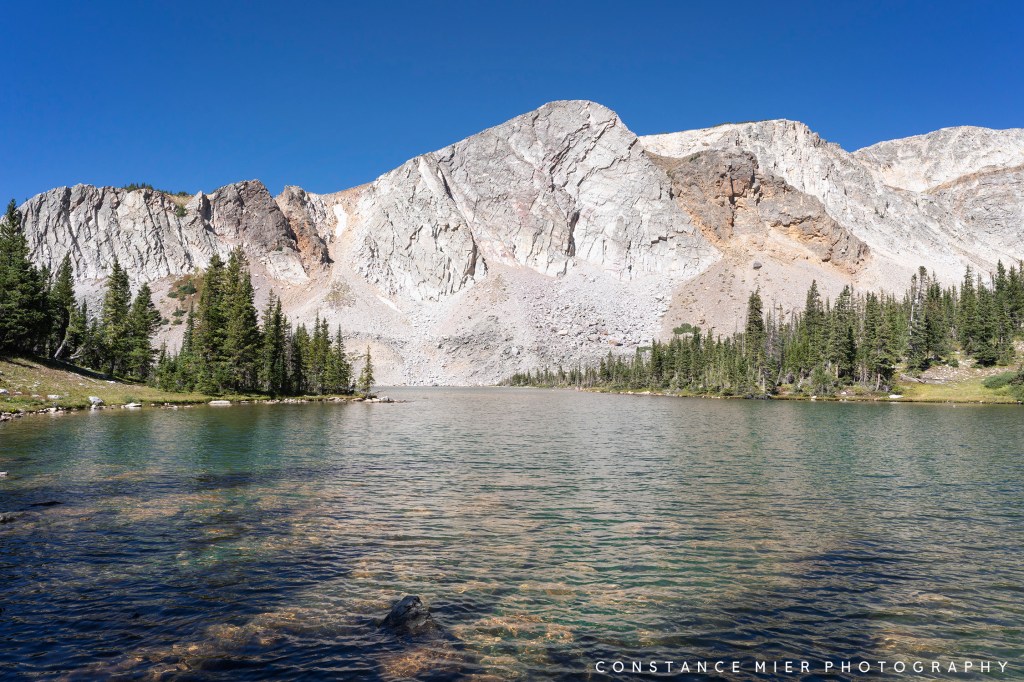
It is the Rocky Mountain range of Wyoming and Colorado that compelled Vivian and I to spend several weeks in each state. After several weeks in Canada, we were no strangers to the Rockies. But it was not until we got to Wyoming’s Snowy Range and then later, Colorado’s Rocky Mountains that we found ourselves at high enough altitude to be above the tree line.

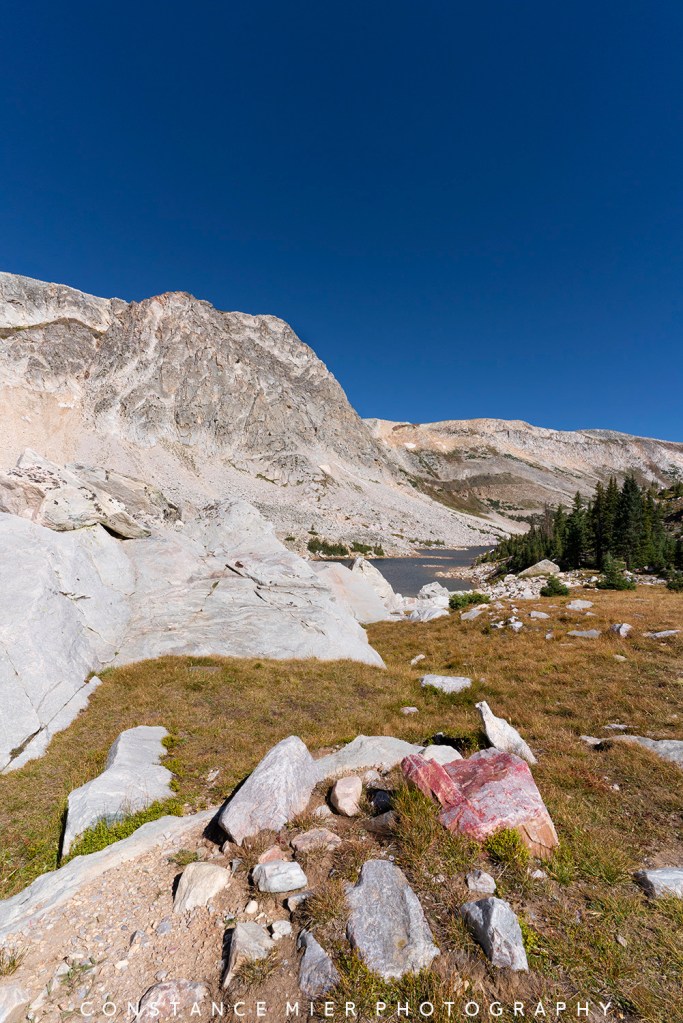
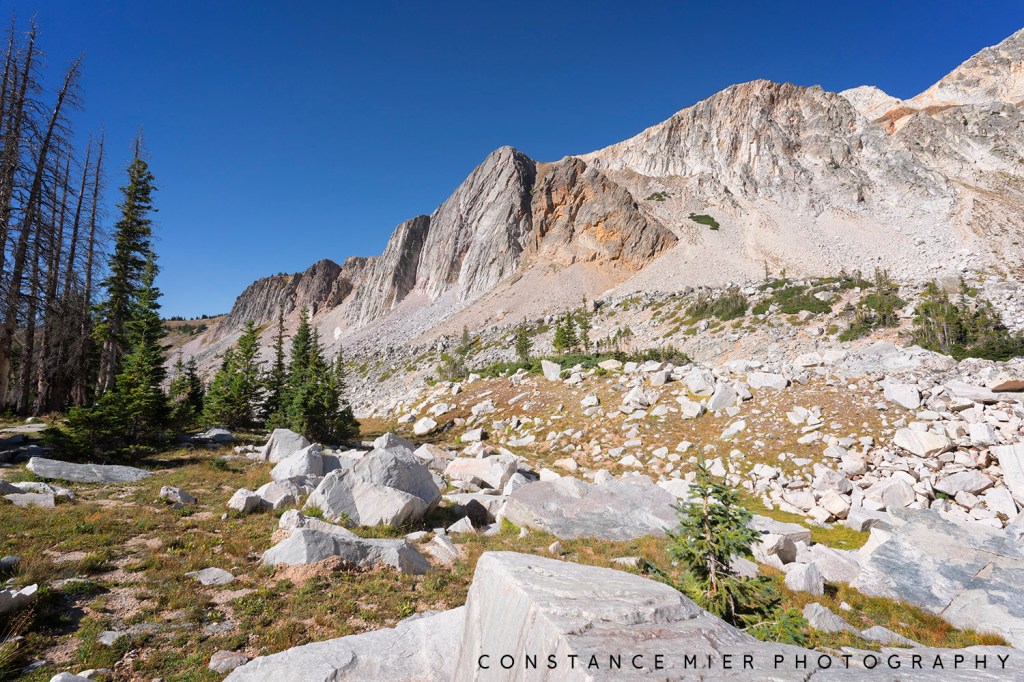
From our campground in Laramie, the scenic byway designated in 1988 as the “Great Sky Road” was a convenient and relatively short route for us to access the Snowy Range and enjoy some hiking at altitude. Above the tree line, the aptly named Snowy Range looms over the Medicine Bow Mountains. The treeless ridge stands out a couple thousand feet above the elevated plateau country (a mere 10,000 feet above sea level) that is dotted with several alpine lakes.
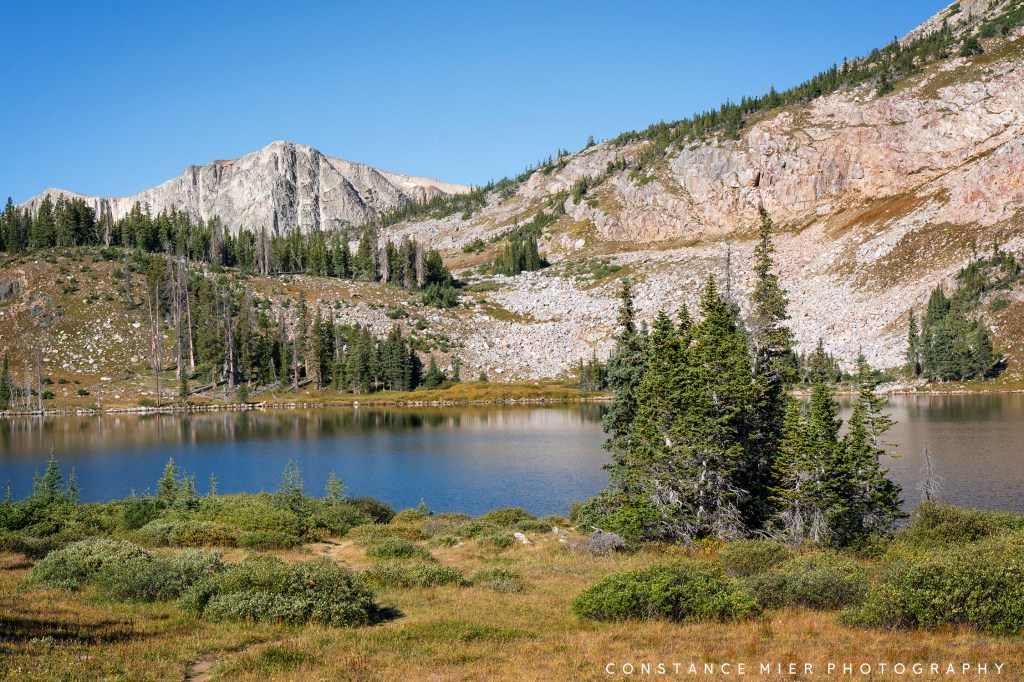
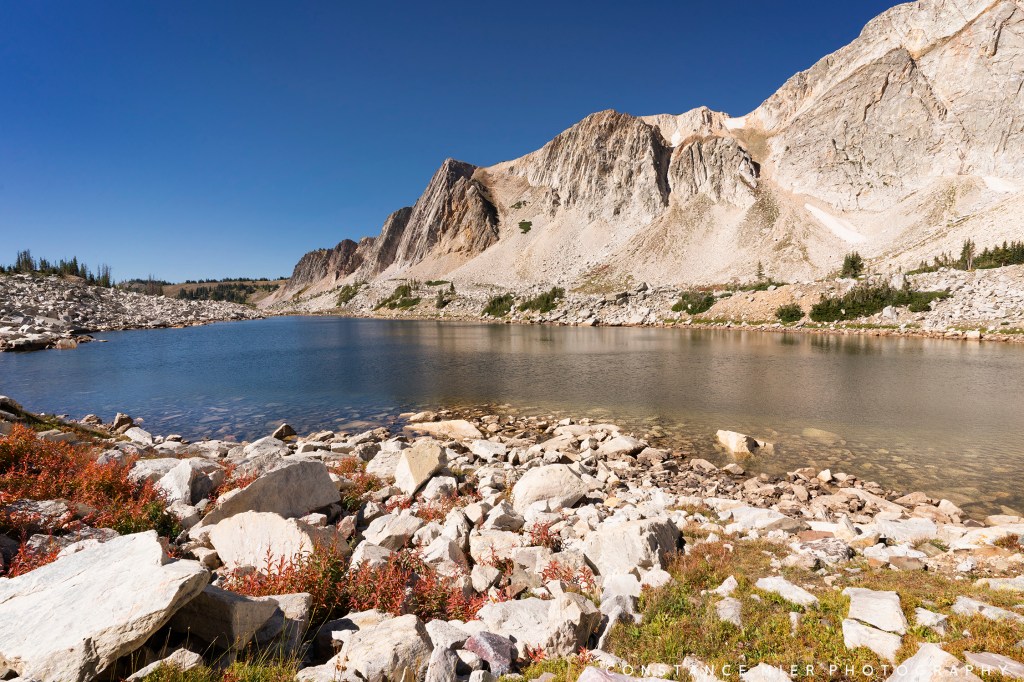
Created from an ancient granite upthrust, the sharp-edged ridge culminates in the Medicine Bow Peak at 12,018 ft (highest point in southern Wyoming). At its base are rubble fields and moraines. A hiking trail winds through this wreckage of boulders and various sized rocks, evidence of destruction by downward wandering glaciers.





The 200-mile front range portion of the Rocky Mountains continues south into Colorado, and it is here where the 415 sq mile Rocky Mountain National Park is located. The park’s 265,795 acres are relatively few in comparison to 25 larger national parks (e.g., Everglades is five times larger), but when it comes to alpine ecosystems, a quarter million acres goes beyond the distance the eye can see when one has a panoramic view from a 12,600-ft ridge. This is where a panoramic view of millions of acres of mountainous terrain dotted with glacier fed lakes and deep valleys takes your breath away.
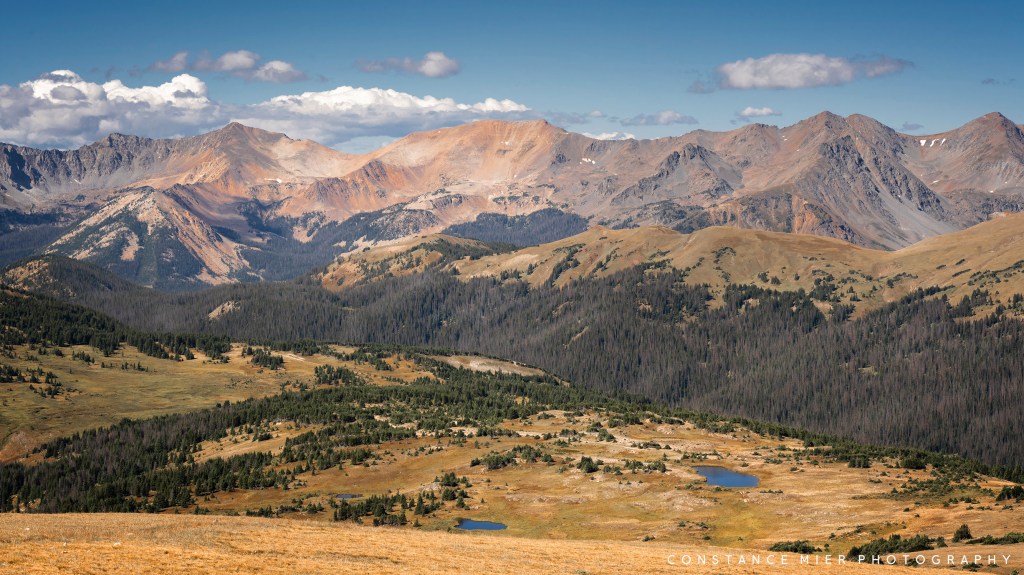
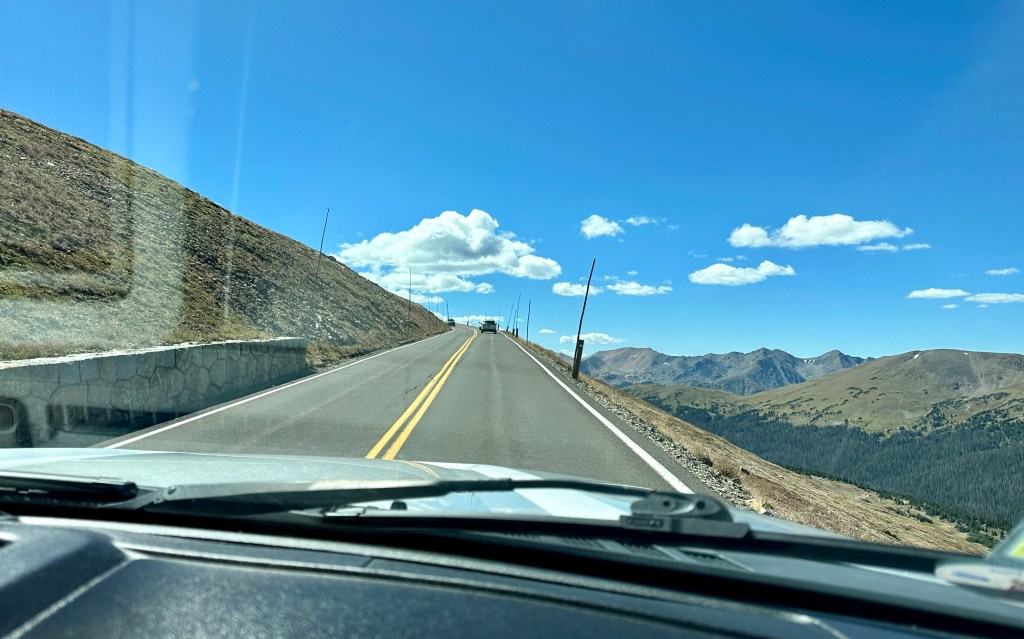
If all you have is one day in Rocky Mountain National Park, then driving the Trail Ridge Road is essential. This amazing highway takes you well above the tree line where several stops along the way allow you to experience the alpine tundra (plants and animals) with access to lookouts and short hiking trails.

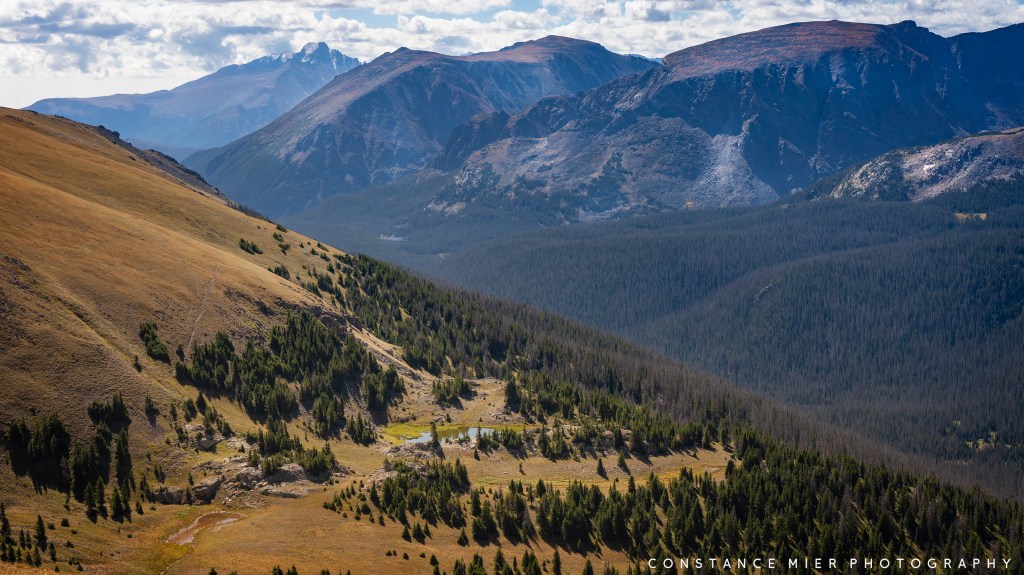

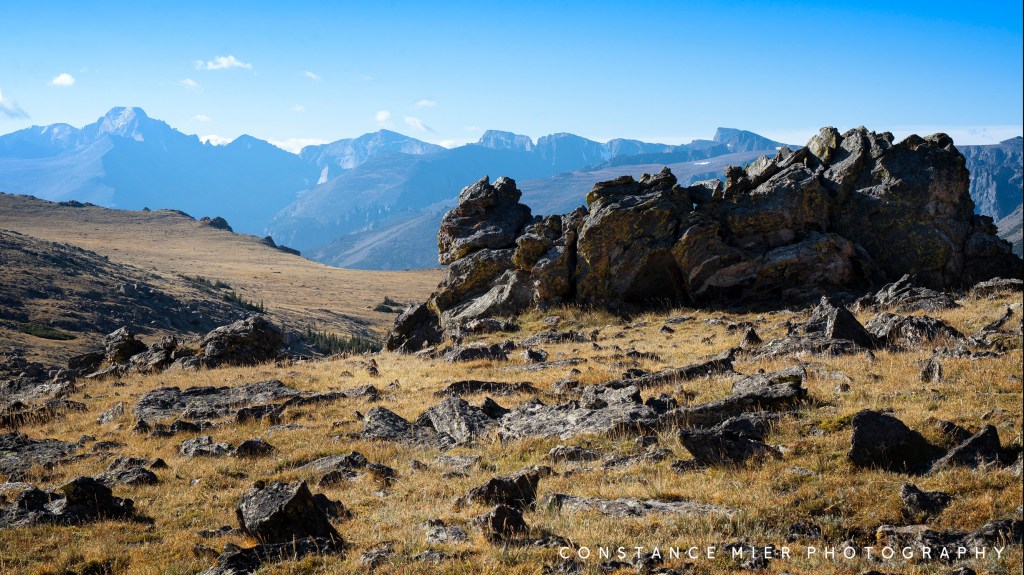

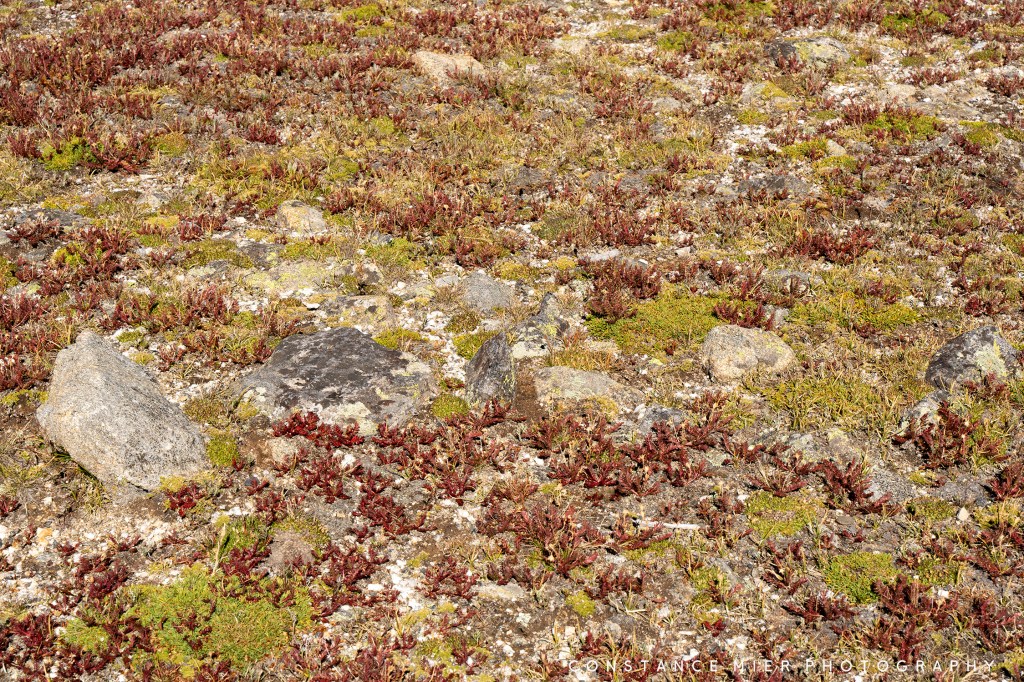
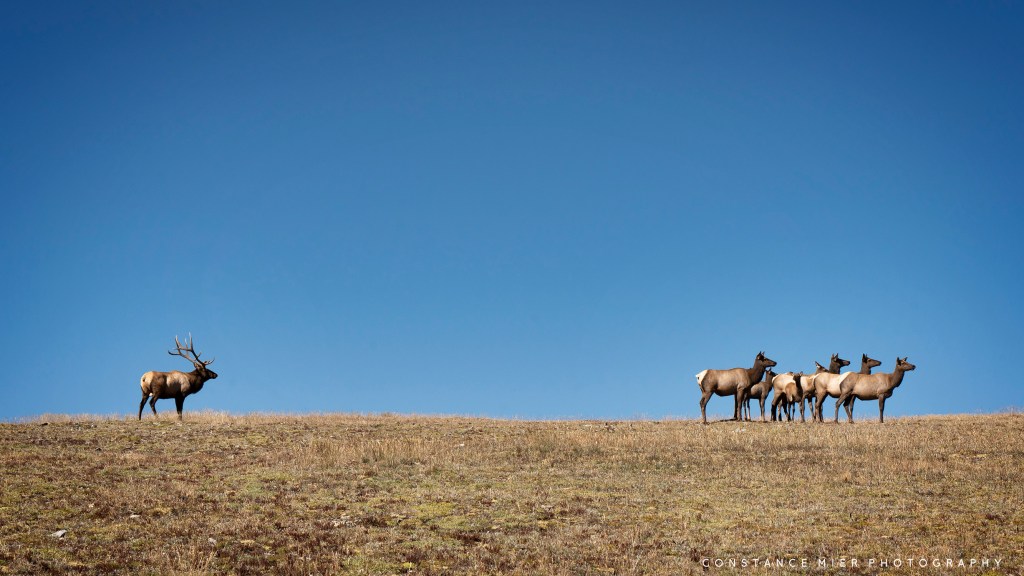
With advanced planning, you can acquire timed entry permits and camping spots that open up other areas of the park, such as Bear Lake and several hiking trails in the Moraine Park area.


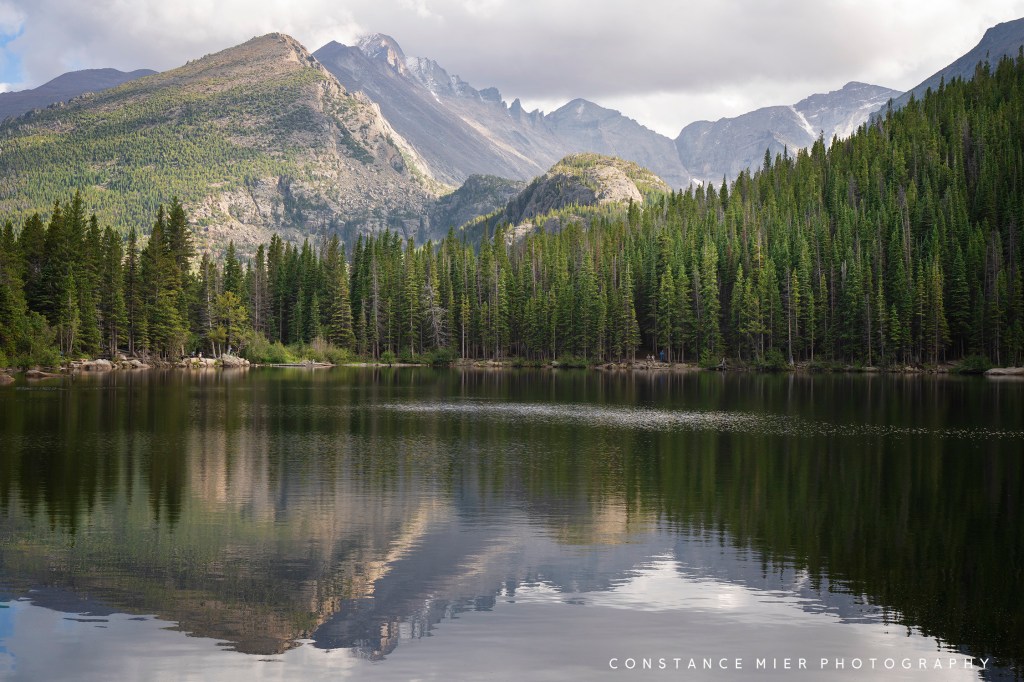

I’ll share one more stop in Wyoming before we leave the Cowboy State and that is the Vedauwoo area, located between Laramie and Cheyenne. In a way, the Vedauwoo is an extension of the Medicine Bow Mountains at an altitude of 8000 feet. Referred to as the “Joshua Tree of the North” because of its playground-like climbing appeal, this rocky oasis is a mixture of large rock formations and aspen/pine forest. The granite outcrops were formed by the same uplift that created the Snowy Range. On our way back to Laramie after spending the afternoon in Cheyenne, we stopped at the Vedauwoo recreation area which has a campground and several hiking trails.
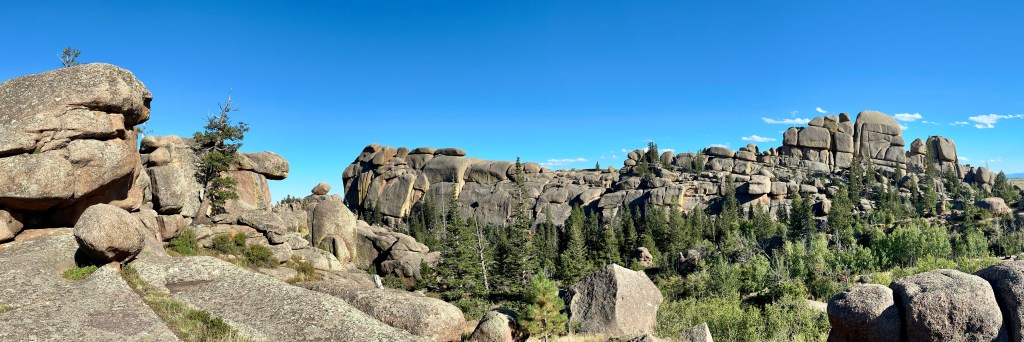

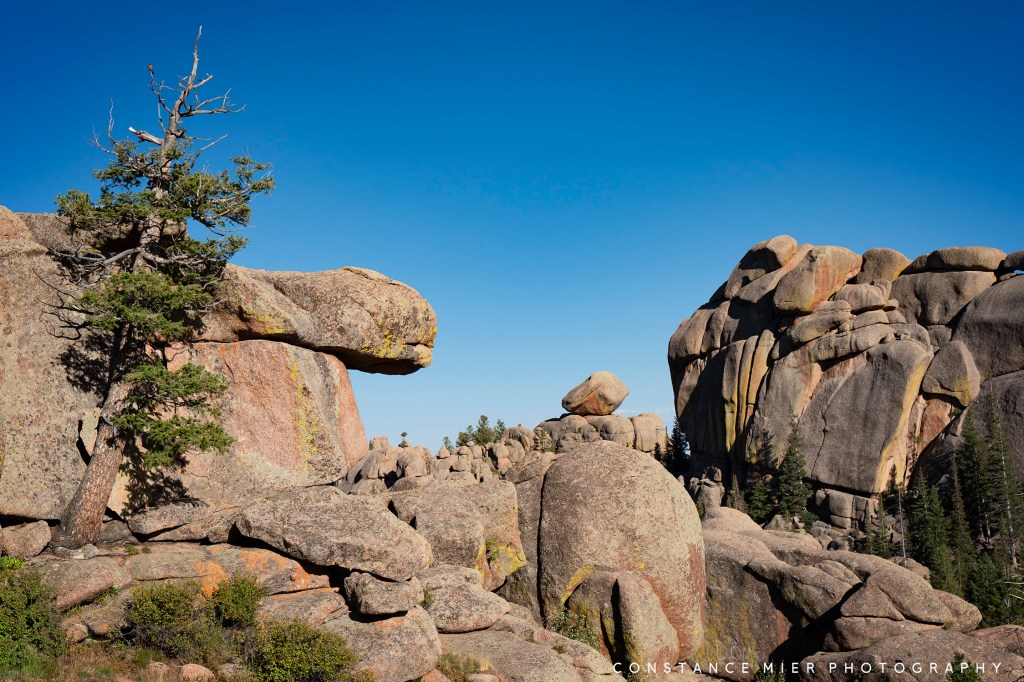

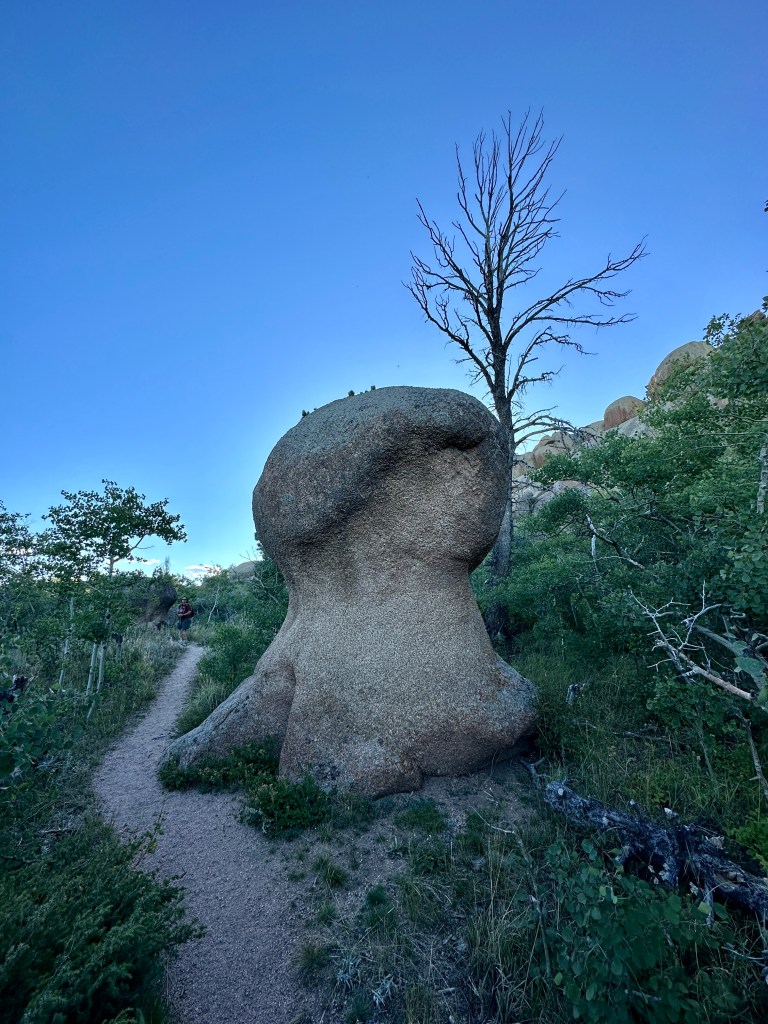

While Rocky Mountain National Park was the priority for our stay in Colorado, we had much more to explore, all east of the Continental Divide and in the most urban areas of the state. Stay tuned as we continue our Colorado travels.
RV TIP
Not specific to RV travel, but our advice to anyone traveling to a popular national park is to plan in advance just to simply access the park. Certain parks require timed entry permits, reserved in advance and in great demand. To access Rocky Mountain National Park, we could enter the main portion of the park before 9 am without a permit, but to access the more popular Bear Lake Corridor, we had to be there before 7 am or have a timed entry permit. Just do your research well ahead of time if you want to fully experience our country’s amazing national parks. And if you are 62 or older, get yourself one of these, it’s a money saver.


 Changing Views From Our RV