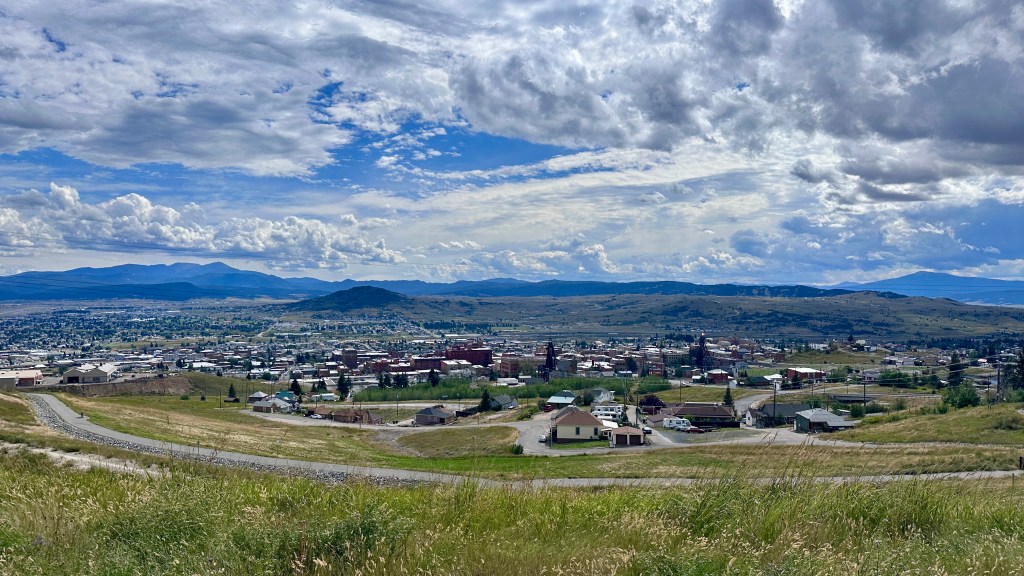
Vivian and I walked away from Butte, Montana shaking our heads and wondering what the heck happened to the city that promotes itself on social media as a “community full of economic possibilities!” We had high expectations for our visit to a revitalized community “nestled in the grandeur of the Rocky Mountains of Southwest Montana” with a “small town charm and a big city feel”.
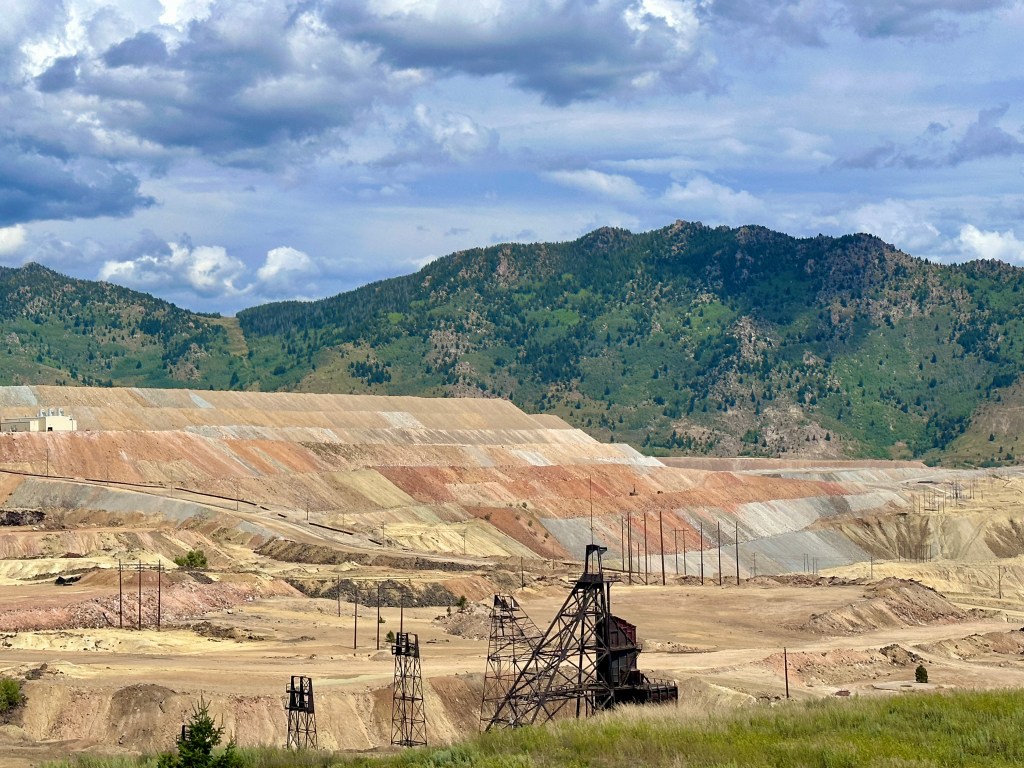
In that spirit, we booked a historical trolley tour of downtown Butte – one of the nation’s largest National Historic Landmark Districts. This is no surprise given that Butte was once a booming copper mine city supplying a quarter of the world’s copper, and was the largest city between Chicago and San Francisco. The Trolley Tour also included the viewing stand at the infamous Berkeley Pit that attracts tourists for its ironic beauty and horrific story. We had to see it. I’ll get to the pit later because it is fascinating and deeply woven into Butte’s identity.


Although the 2-hr trolley tour was worth the price, it wasn’t until we drove around the city and walked the downtown area that we met the real Butte, which appeared to be experiencing a debilitating identity crisis. Taking in the extravagant Victorian architecture of the historical landmark buildings should have been the highlight of our visit. Indeed, it was a beautiful afternoon, and I was having great fun photographing the buildings. While I looked up at them, Vivian took notice of other things and decided to change course quickly to get back to the truck.
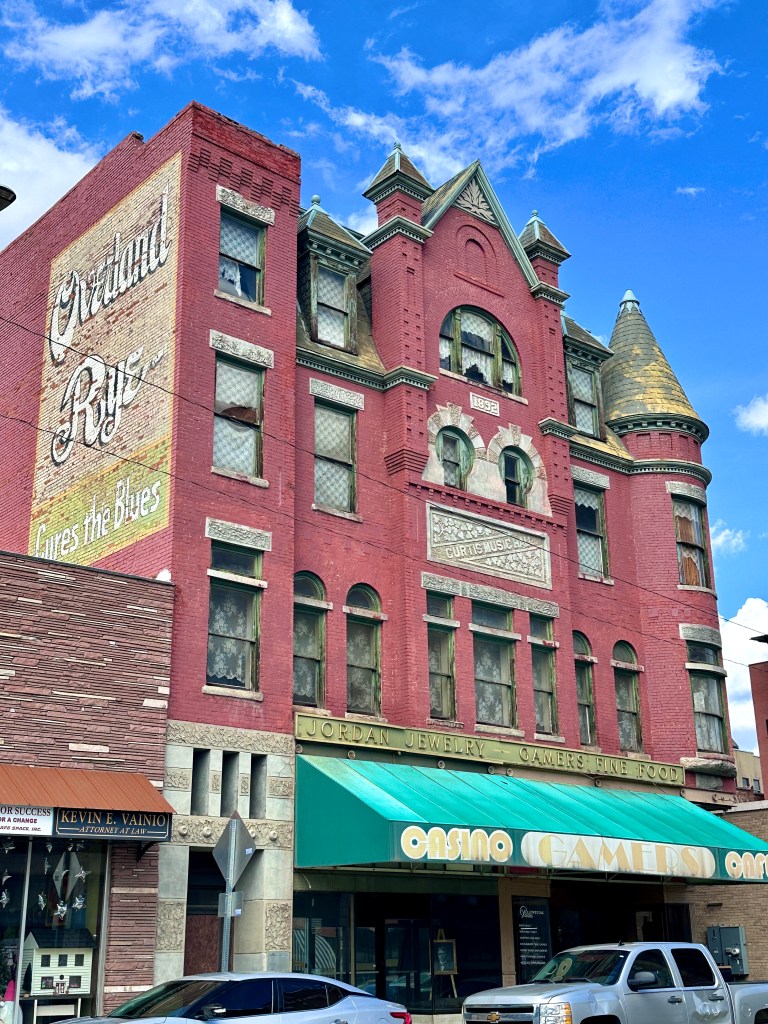
Normally, people on the street do not scare us off and we’ve seen many kinds of people. We’ve traveled over 40,000 miles around the U.S. and Canada in our RV and have visited many small and large cities. Never have we sensed danger from people we encounter – until Butte. Four or five people appearing to have no good reason to be loitering near a parking garage caused us to do what we rarely do – make an about face. It may not have come to that decision except that we rarely saw a vehicle drive by, never did we see any other tourists, and even more foreboding, we never saw what looked like a person who might be a positive contributor to Butte’s economic possibilities. We passed by many historical buildings but not one looked open for business despite vehicles parked on the street, nor were there signs inviting you to come in.

So, we skedaddled and drove around the area looking at the giant black steel structures known as head frames, remnants of underground mines that made Butte what it is today. Here’s where the real history of Butte begins. These looming towers of metal are common landmarks for all to see and serve as constant reminders of the thousands of miles of mining tunnels honeycombing the ground beneath the city – the reason Butte became the first major city in Montana and “The Richest Hill on Earth”. And on April 23, 1982, it all came to a complete stop with just a flip of a switch.

It all began in the 1860s when gold was discovered in the region and Butte became a mining camp. Shortly thereafter, gold ran out and was replaced with silver which required more complicated methods of mining including wooden headframes to haul ore to the surface and lower men (and mules) into the mineshaft. Innovations in mining attracted all kinds of players to Butte, including Marcus Daly.

Marcus Daly partnered with others and acquired Anaconda Mine and in 1882, exposed one of Butte’s largest copper deposits – the timing could not have been more perfect. With the convenience of electricity recently discovered, use of copper wire put Butte on the map. Consequently, more mines opened, and people came from all over the world to work in them. By 1917, Butte’s population reached 100,000 (currently, it is about 32,000). Back in the day, Butte had 200 saloons and a robust prostitution and gambling economy to support 8000 men that worked the mines.

Several ethnic neighborhoods settled all over the mining city as immigrants such as Italians, Cornish, Scandinavians, Germans, Chinese, Croatians, Slovenians and the most prominent, Irish came to work in the mines. Marcus Daly was one of those Irish immigrants and one of three working-class men that rose above the rest and earned the name Copper King (one of three Kings). Daly died in 1900 but not before his Anaconda Copper Mining Company became one of the largest trusts in America.


Anaconda got richer and eventually went full bore mining the ores of the Hill at a much lower grade and at a very high volume by shifting from underground extraction to block-cave and open-pit mining. Open pit mining was started at the site of the old Berkeley shaft in the 1950s and was so successful that the Berkeley Pit became the major mine in Butte requiring the destruction of three neighborhoods in the process of expansion.

But times change and the mighty will fall. Due to such things as rising competition in other countries like Chile and Mexico and bad investments, Anaconda was sold to Atlantic Richfield (ARCO) in 1977. By then, the number of mine workers had diminished considerably, and Butte was experiencing a steady economic fall. ARCO drove the final nail into Butte’s coffin in 1982.
On April 23, 1982, the fate of Butte was made by one decision carried out in a single moment in time. Prior to that day, massive underground pumps located 3900 feet below Butte had been pumping 4000 gallons of water each minute for years. The pumps kept the mines from flooding. When ARCO ordered the flipping of the switch to shut down the pumps, the pump room quickly flooded with acidic mine water. There was no going back. The resulting flood sealed off 10,000 miles of tunnels that had been dug over a century, never to be seen again.

And this is where the Berkely Pit comes into the story. Because the tunnels were connected to the Berkeley Pit, shutting the pumps off meant that the pit would flood as well. The mile-wide pit acted like a giant sink with acidic mine water rushing in. Fifty years later, it is a giant poisonous lake and at 1780 feet, the deepest body of water in Montana. But that’s not all, thousands of birds have died from its toxic brew. And left to its own power, the pit would continue flooding, eventually breach the bedrock, and contaminate Butte’s aquifer and creeks. By 1987 the Berkeley Pit was designated a Superfund site, one of the largest in the country.


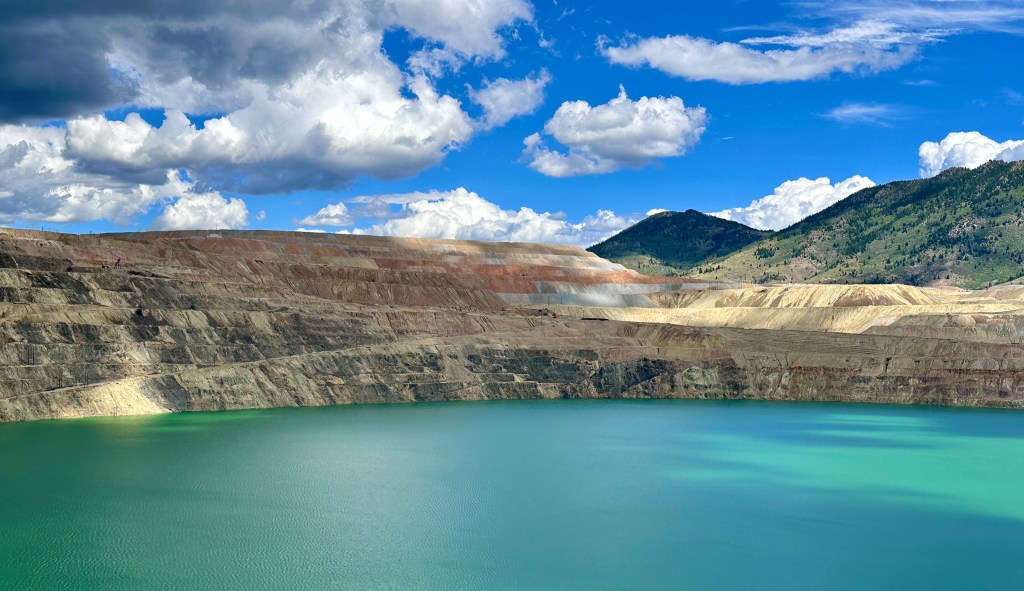
Is there a copper lining for this old mining camp that became a Superfund site and has a Zombie-like downtown area? Possibly. For starters, treatment of the toxic water from the Berkeley Pit has recently begun and the clean water is released into the headwaters of the Clark Fork River, thereby alleviating the flooding. Contributing to Butte’s life after copper, hundreds of people are employed in the industry of environmental science and reclamation. There has also been an increase in homebuyers from the coastal exodus and as housing prices soar in nearby Missoula and Bozeman. And more businesses are coming to Butte, such as a major retail complex. So, things may be looking up for the “Richest Hill on Earth”. Not to mention, there is some beautiful country in the area.


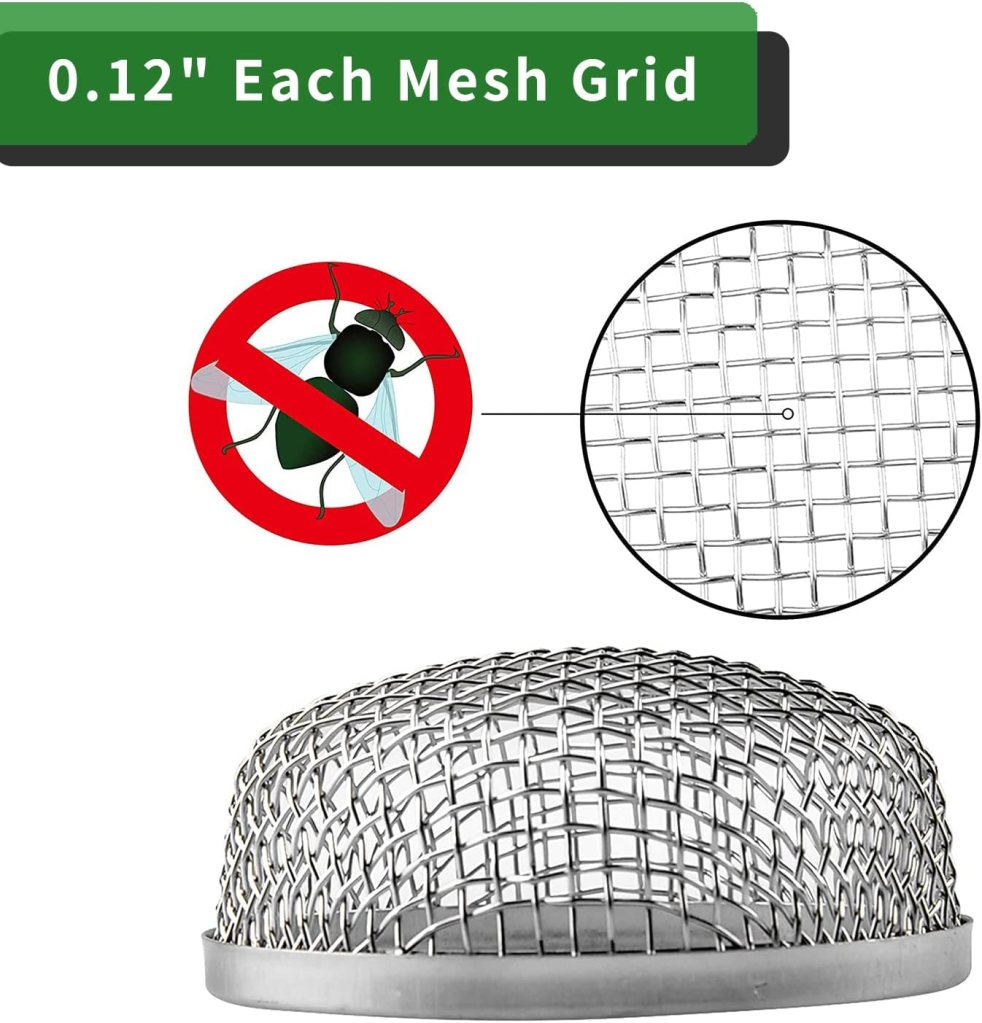
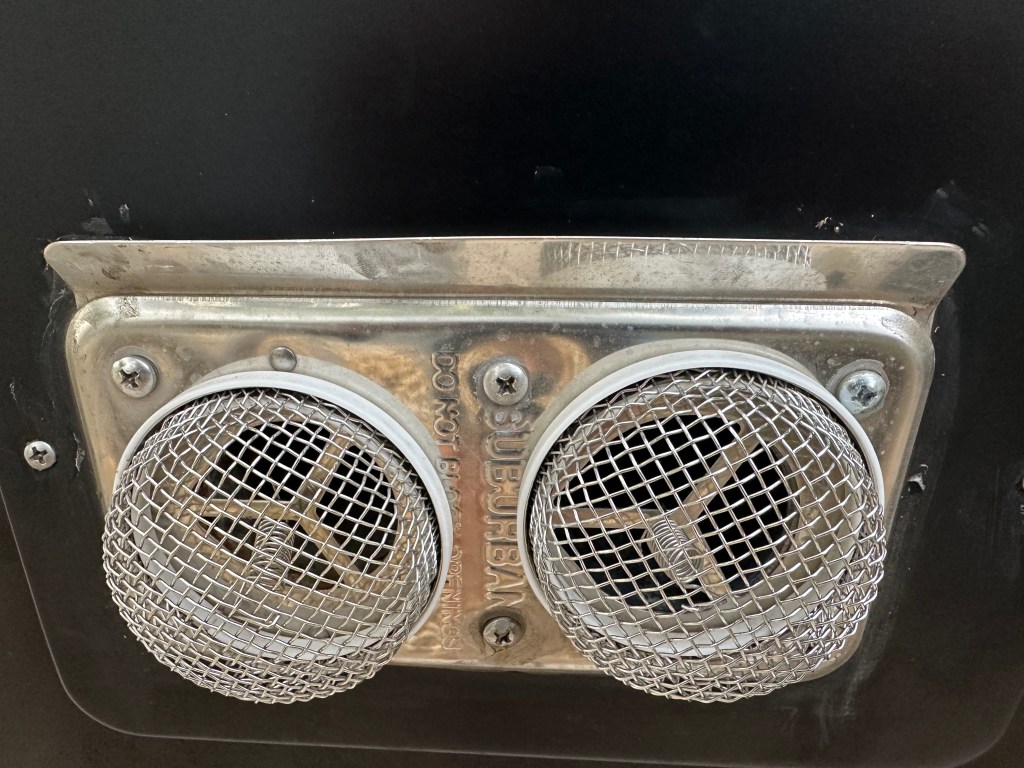
RV TIP You never know what you’ll encounter with RV living. One issue is that it is not difficult for critters to find their way into the rig. I like little green frogs as much as the next person, but not when I find one inside the furnace vent! After this discovery, we installed the RVGUARD insect screens to cover the openings. They work great and keep out lots of things including bugs. Luckily, we were not using the furnace when our little stowaway was found. The frog was removed and hopped away to find another hiding spot.


 Changing Views From Our RV