Well, not really stuck in Lodi but changes to our original itinerary kept us there for an entire week.
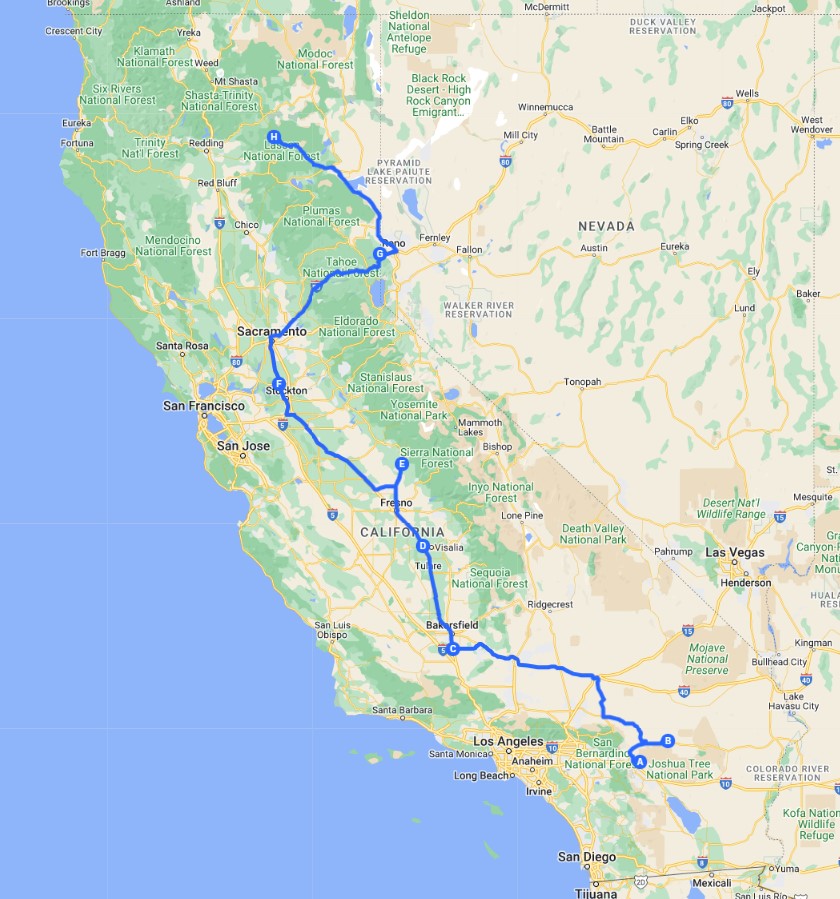
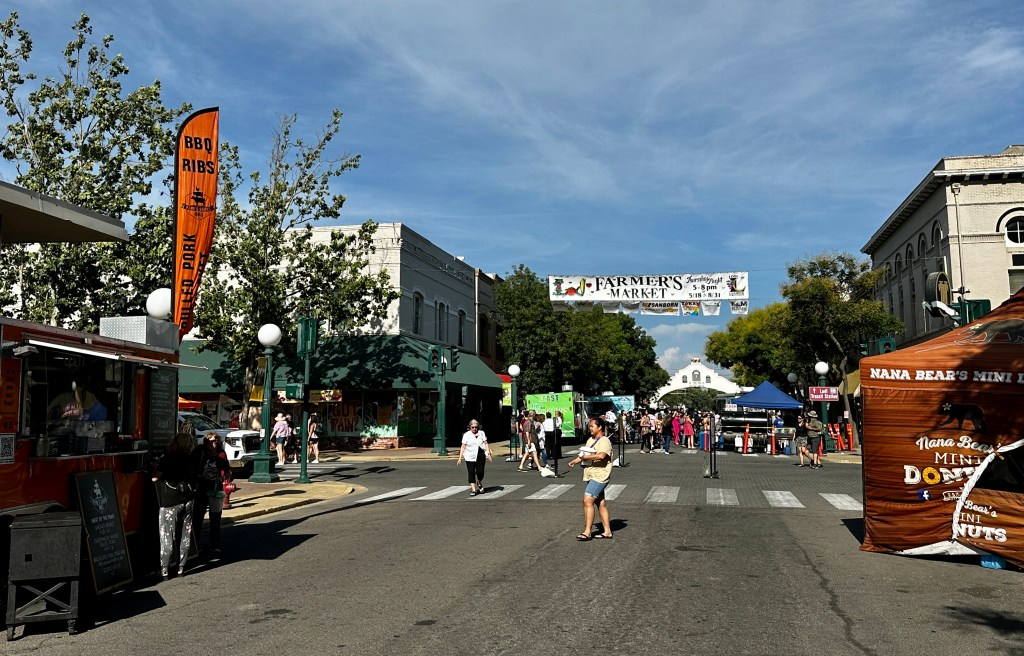
Spending that length of time in Lodi is not as bad as Creedence, Clearwater Revival might suggest because it gave us some needed downtime for minor repairs, cleaning, and maintenance. But the best part was, we discovered California’s Central Valley area which gave us an unexpected history lesson. And thanks to the large Sikh population in the region, we got our Indian food fix from a newly opened restaurant located a short walking distance from our campground.


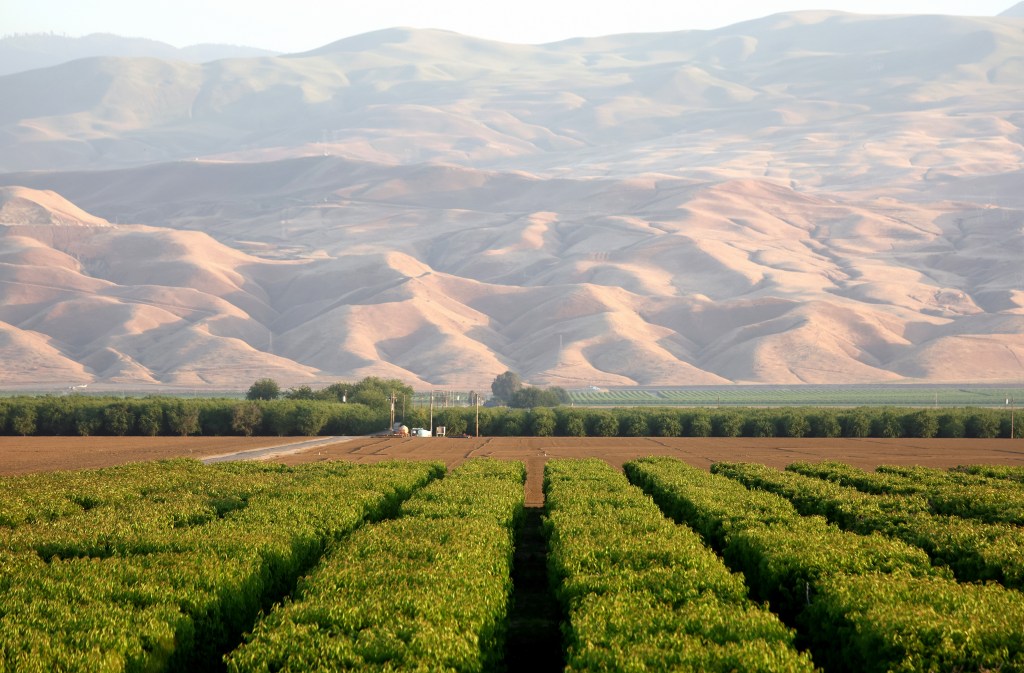
It becomes clear as you pass over the southern Sierra foothills and approach Bakersfield on Highway 58 that this area is all about agriculture. It is such a productive agricultural region that no matter where you live in the United States, it is near impossible to avoid eating something that is grown from the fertile land of the Central Valley. More than half of fruits, vegetables, and nuts come from it. And despite being less than 1% of U.S. farmland, it produces 8% of the total agricultural output.
Half of California’s watershed is in the Central Valley where two of its river systems converge to form the Sacramento-San Joaquin River Delta that is a network of marshy channels, distributaries and sloughs that wind through several islands used for agriculture. Here’s a fun fact, it was in the Central Valley where Cesar Chavez and Delores Huerta organized Mexican American grape pickers into a union.
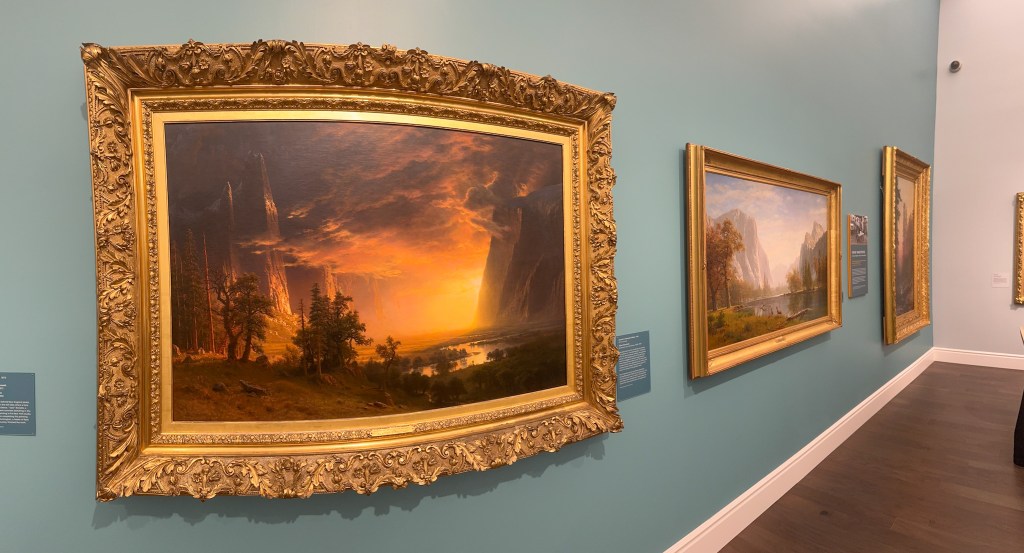
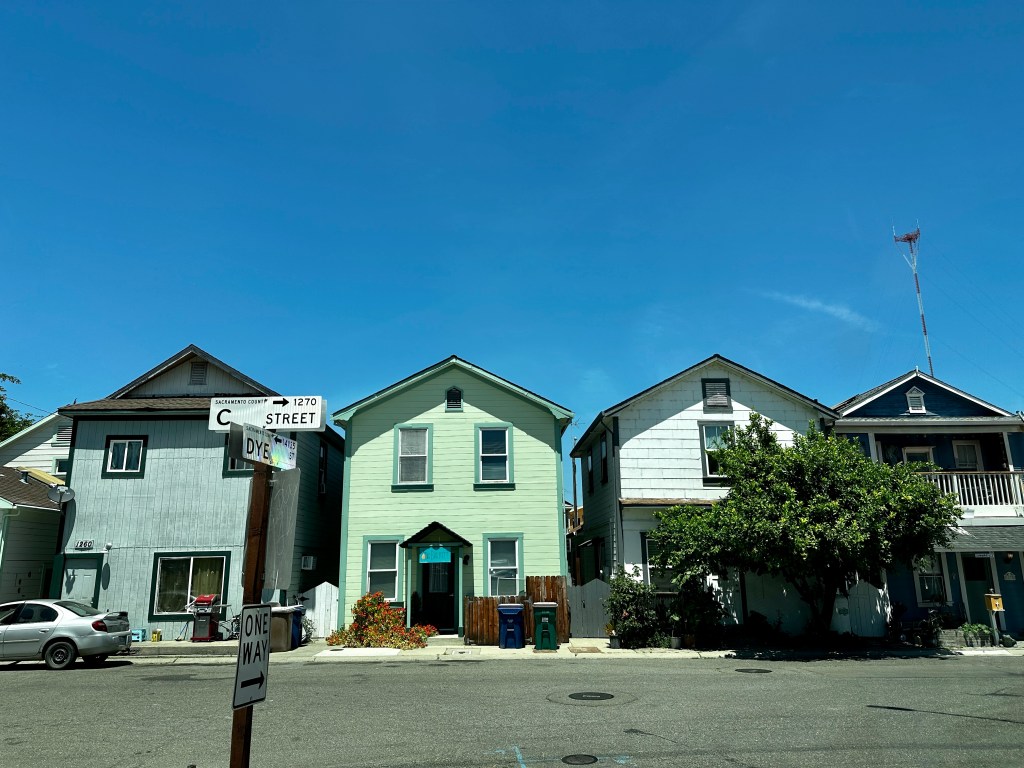
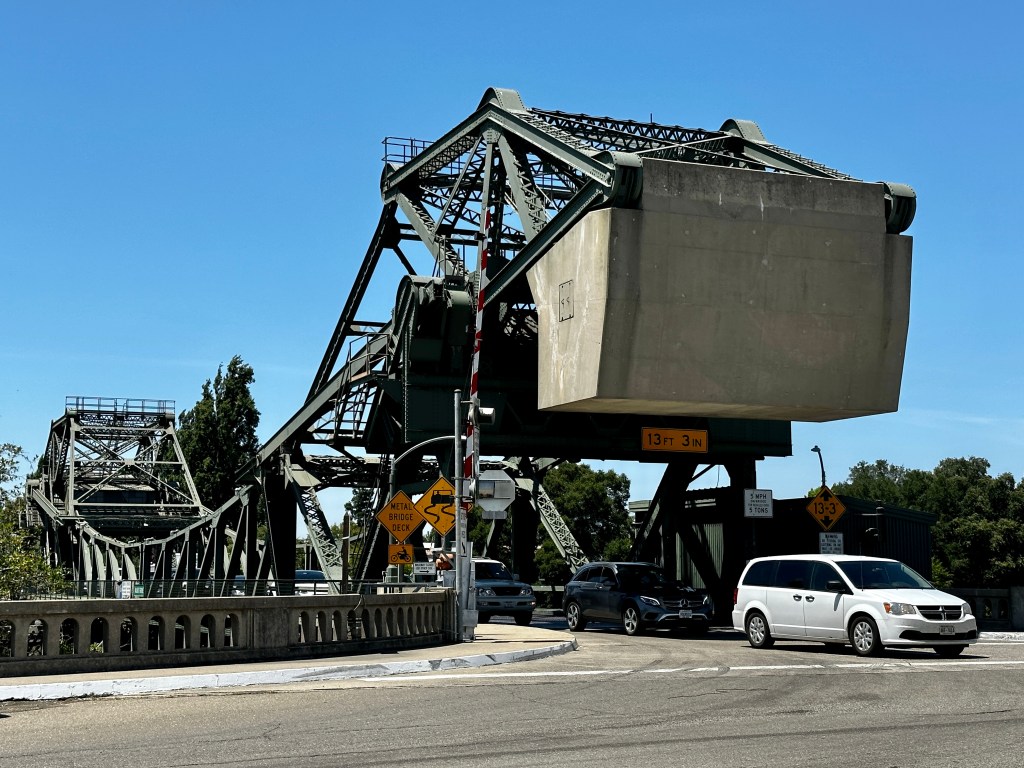
No doubt, the Mexican migrant worker history of the Central Valley is a rich one, but there is another story that comes from this region that woke us up. Throughout the United States are settlements (Salt Lake City), neighborhoods (The Castro), and communities (Black Wall Street) that have been created by marginalized groups of people. Among these and what I think stands out most in American minds are the Chinatowns, the most notable and largest being in San Francisco. Although we did not visit San Francisco’s Chinatown on this trip, we did discover the Chinatown of the Sacramento-San Joaquin River Delta.

When China opened its borders to free movement around the 1860s, Chinese immigrants came to the western United States in droves. Most ended up in California where the Chinese population increased from 2716 in 1851 to over 63,000 by 1871. Mostly men, these immigrants came to work the gold rush but when they were forced out of any real opportunities, they became the major labor source in building the Central Pacific railroads.
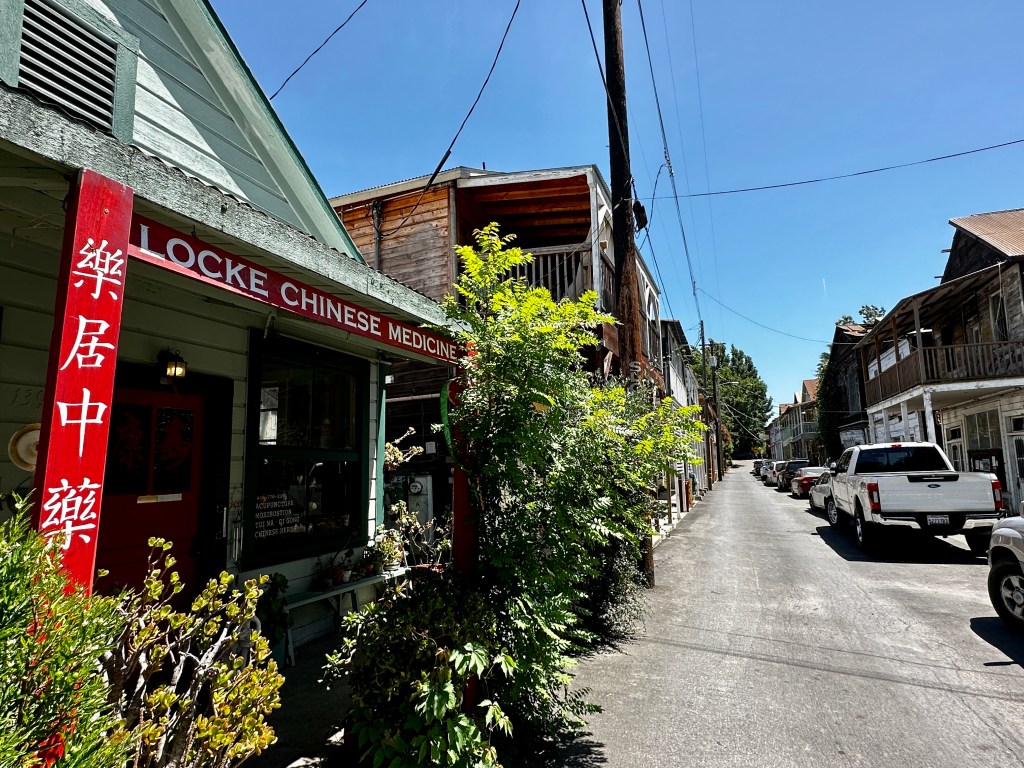
At every level of society, Chinese immigrants faced racial discrimination and often referred to as “Yellow Peril”. The hostility for these immigrants grew from two things – the wide social differences between Americans and Chinese, and occasional economic downturns the country faced throughout history. Over the years, labor and political organizations rallied against ‘cheap Chinese labor’, which led to the Chinese Exclusion Act in 1882 that banned Chinese immigration. Later, Chinese immigrants were prevented from citizenship, naturalization and owning land.
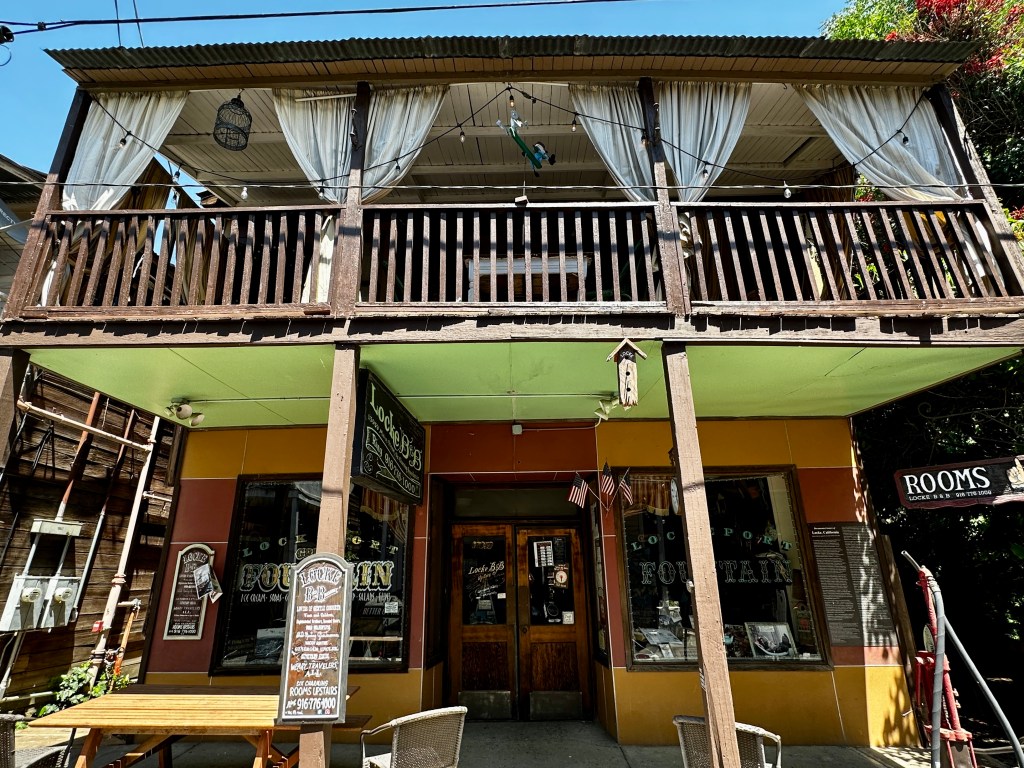
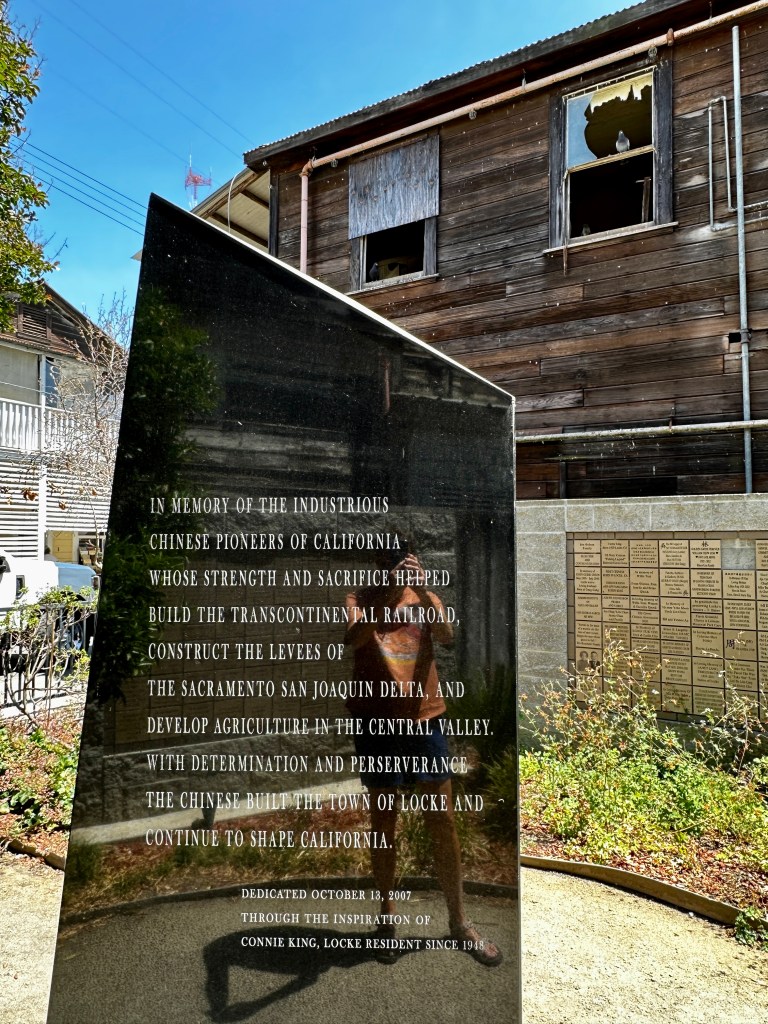
Meanwhile, the demand for water required an extensive levee system in the Central Valley’s delta region. This brought huge numbers of Chinese immigrants to the region. Most immigrants came from the Pearl River delta region in China and adapted very well to the Central Valley’s delta region. As the Central Pacific railroad owes its construction to the Chinese immigrant, so does the delta’s extensive levee system. Afterwards, many stayed on as farm workers and sharecroppers, or worked as fishermen or in the canneries.


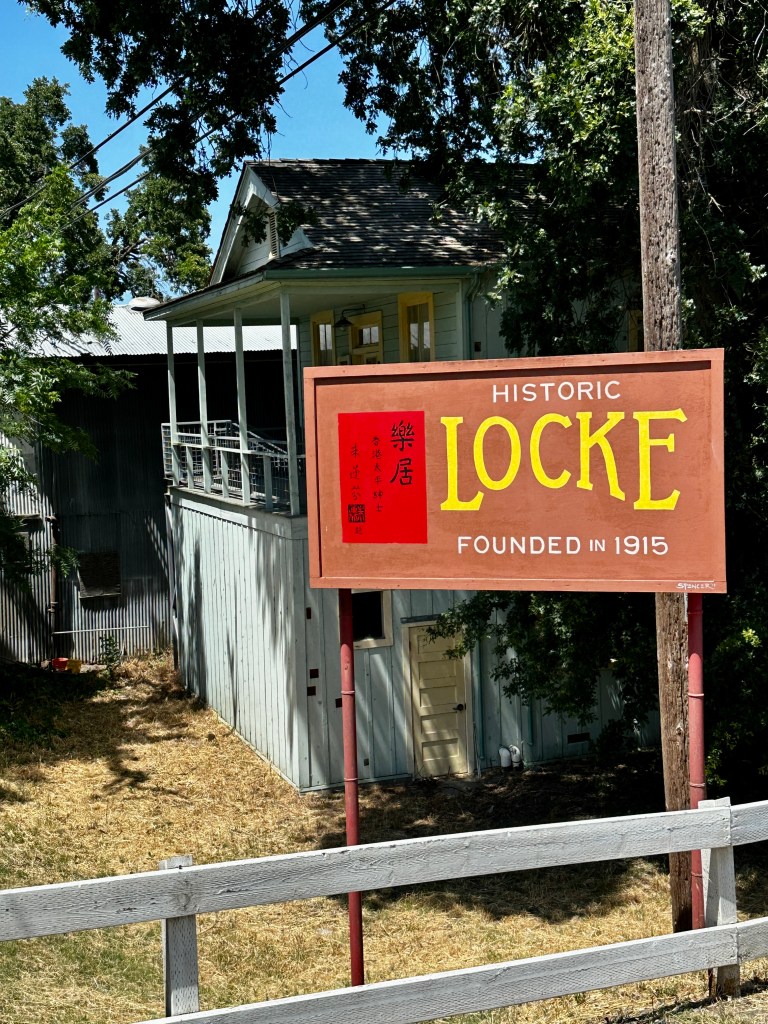
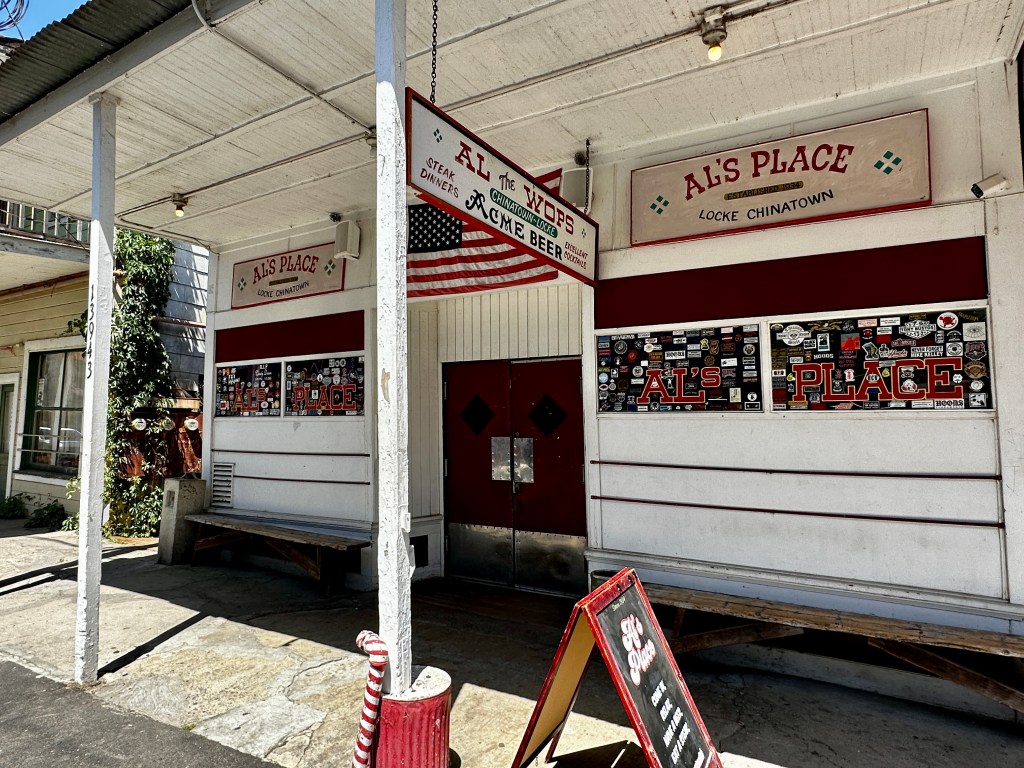
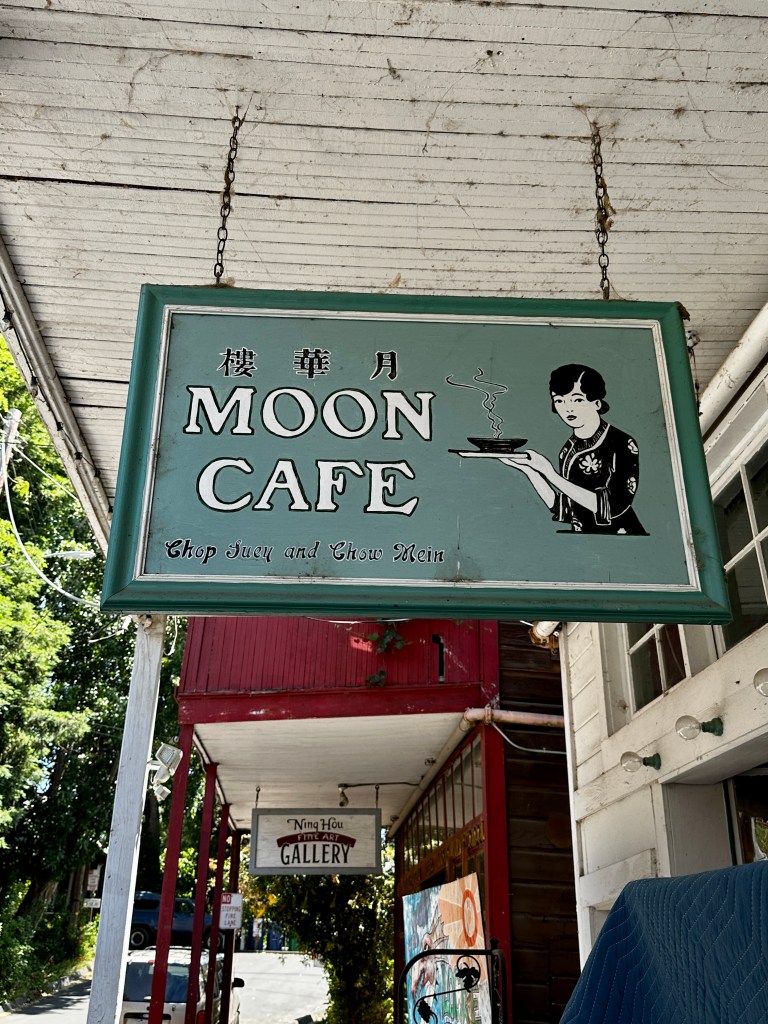
Outbreaks of violence against Chinese immigrants continued, but despite this or maybe because of it, Chinese communities popped up here and there, including within the Sacramento-San Joaquin River Delta. Today, you can visit these small towns, including Walnut Grove and Locke. I thought it fascinating to walk down Locke’s main street where the population has dwindled to practically nothing, in fact, I saw only a few tourists. What remains are pieces of the past, faded store signs and dilapidated buildings and facades where boarding houses or maybe gambling houses once bustled with activity.

RV traveling is like storytelling, we come across so many people and places that have a compelling story if you are willing to stop, look and listen. These stories are everywhere and where you least expect them. Each one bridges the past to the present. And as these stories and history lessons accumulate, our views and perspectives of places and people change. And change can be a very good thing.
RV TIP – If your RV has a black tank, you’ll likely use it, meaning you will use your RV’s toilet. In which case, you’ll need to deal with the inevitable which is to keep your blank tank unclogged and dispose of its contents on a regular basis. Solids and smells are your enemy, so to keep both to a minimum, you need to treat the black tank. We use Happy Camper and with no complaints. It does a great job keeping smells away and liquifying the solids. Keep in mind, the key to a healthy black tank is water, lots and lots of water!

By the way, we loved spending time in California, all 25 days of it. Please check out our previous blogs about the places we visited in the Golden State.

 Changing Views From Our RV