

The two young national park rangers, one in Yosemite, the other Sequoia could not hide their enthusiasm and excitement if they were forced to. It was not in them to hold back when asked about their respective parks. It wasn’t the park per se that fed their charged emotions, rather it was the tree – the largest in the world – the giant Sequoia. The idealist Yosemite ranger described walking among the Sequoia and their much smaller fir, cedar, and pine relatives as ‘forest bathing’. Whereas the nerdier Sequoia park ranger eagerly explained why the Sequoia is the largest tree in the world – ‘it’s about volume, not height or diameter’. In other words, the Sequoia may not be the tallest, but it is wide – it may not be the widest, but it is tall.
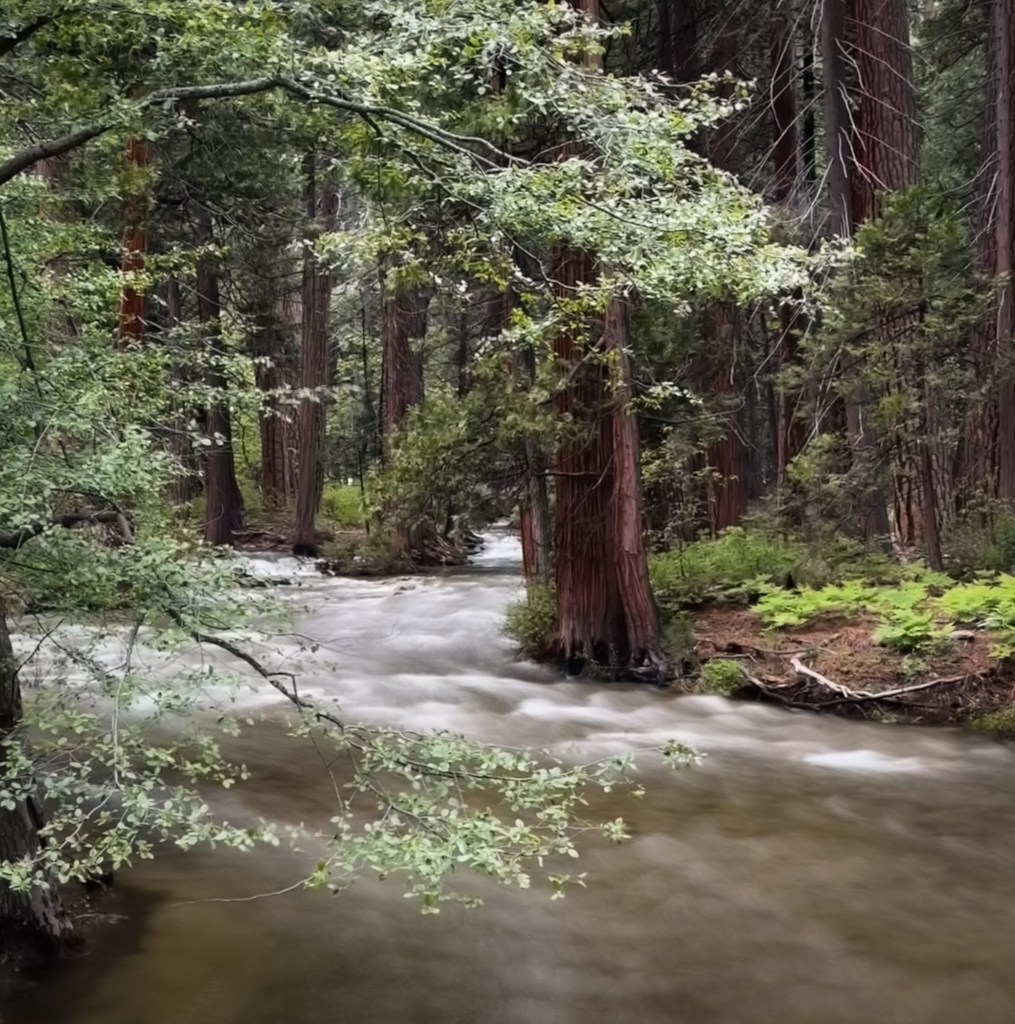
Enjoy here a little forest bathing through a Sequoia grove.


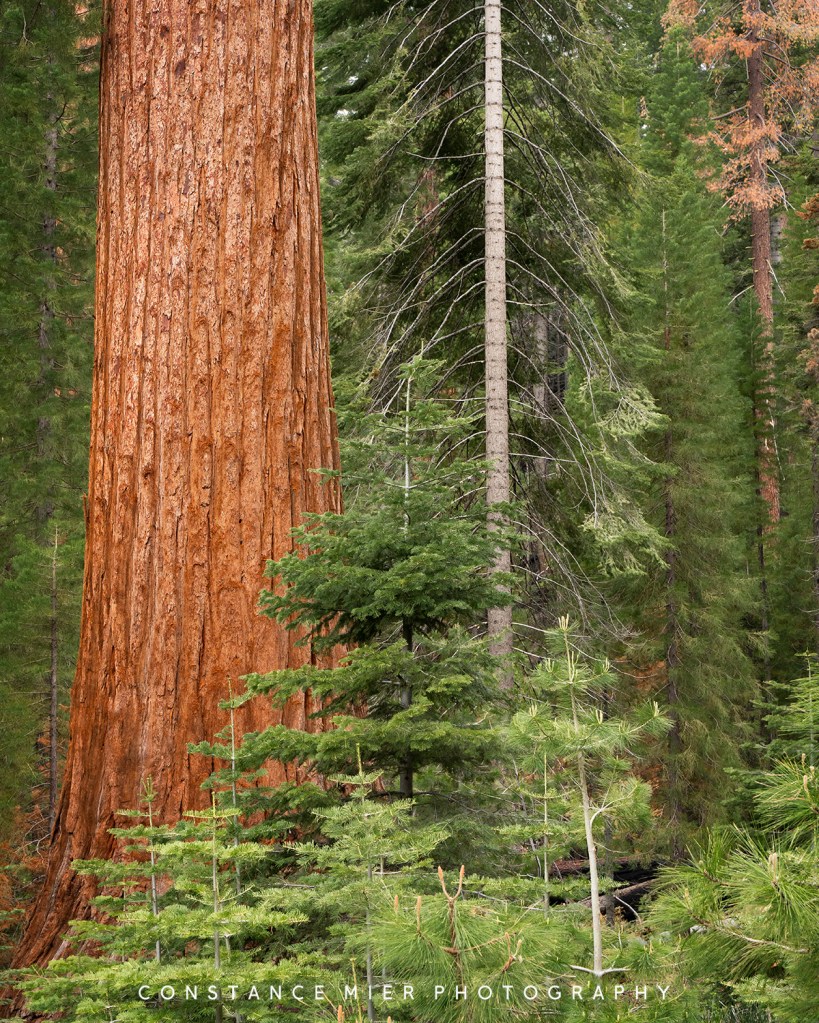
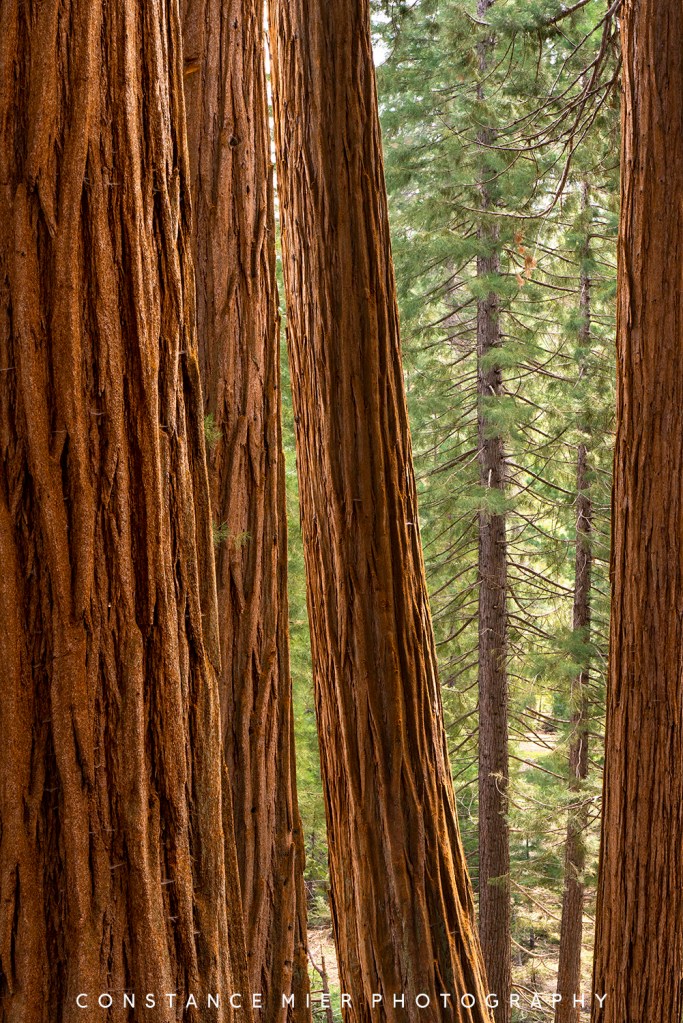


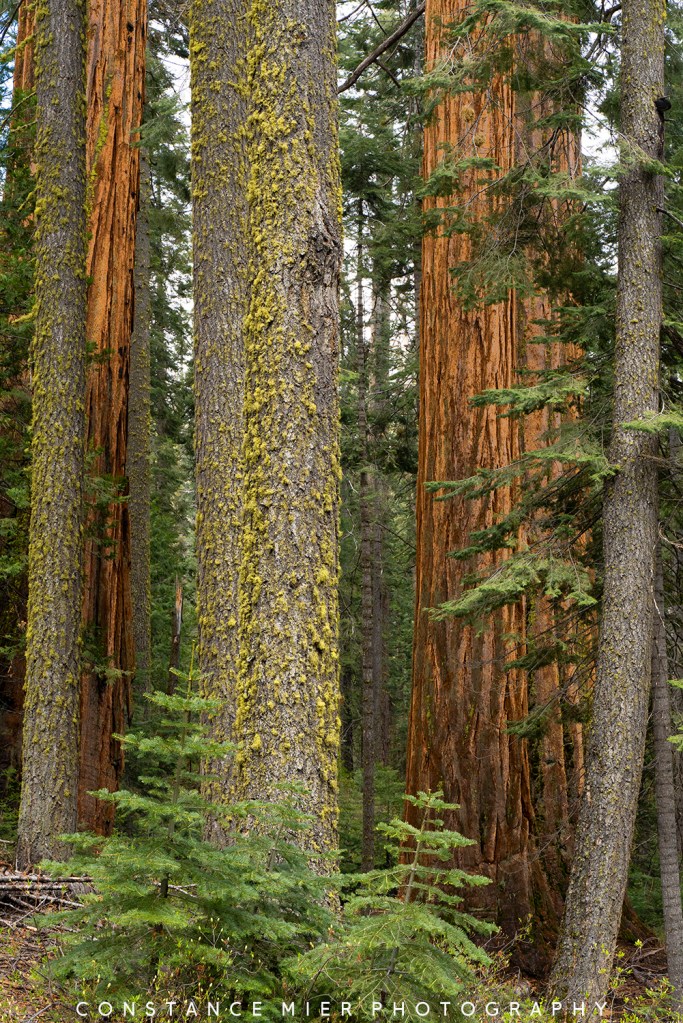


The sequoia is special for several reasons. These trees occur naturally ONLY on the western slopes of the Sierra Nevada mountain range in California within 35,000 acres of scattered groves at elevations of 4600 to 7000 feet. Listed as an endangered species, the giant sequoia is also among the oldest living organisms on the planet; its oldest at 3200 years give or take a few.


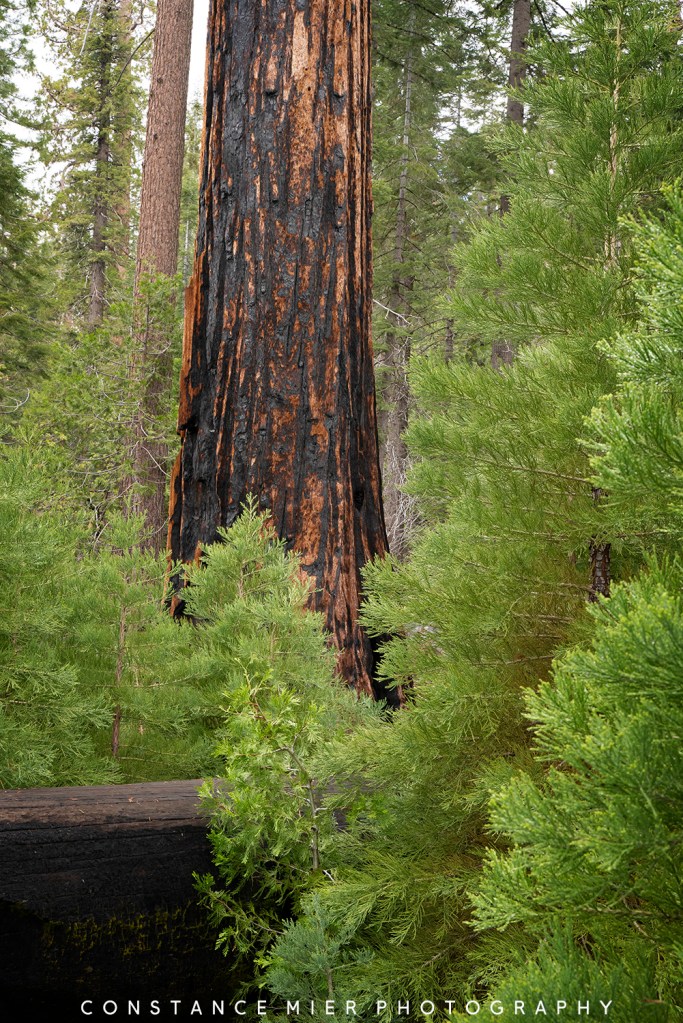
The sequoias are located in the Sierra Nevada mountain range. Referred to as the ‘Sierra’, these mountains lie between the Central Valley of California and the Great Basin, mostly in California. The northern Carson Range spur lies mostly in Nevada. The 400-mile Sierra is part of a continuous chain of mountains that forms the western backbone of the Americas and in addition to the largest tree in volume, has several notable features. It contains the largest alpine lake in North America, several glacier sculpted canyons including the most famous Yosemite Valley, and the highest point in the contiguous U.S. Not only that, the Sierra contains three national parks and two national monuments.


If there is only one reason to travel through California with an RV, let it be the Sierra Nevada mountain range. From our home on Chokoloskee Island, we traveled over 2800 miles to the western foothills of the southern portion of the majestic Sierra and we drove another 323 miles to reach its northern spur where we stayed near Lake Tahoe. It was worth every mile put on the RV and truck, and we will do it again because there is a big story here and it takes more than a few days to get to the end. For now, let the photos here preface the story of the Sierra.
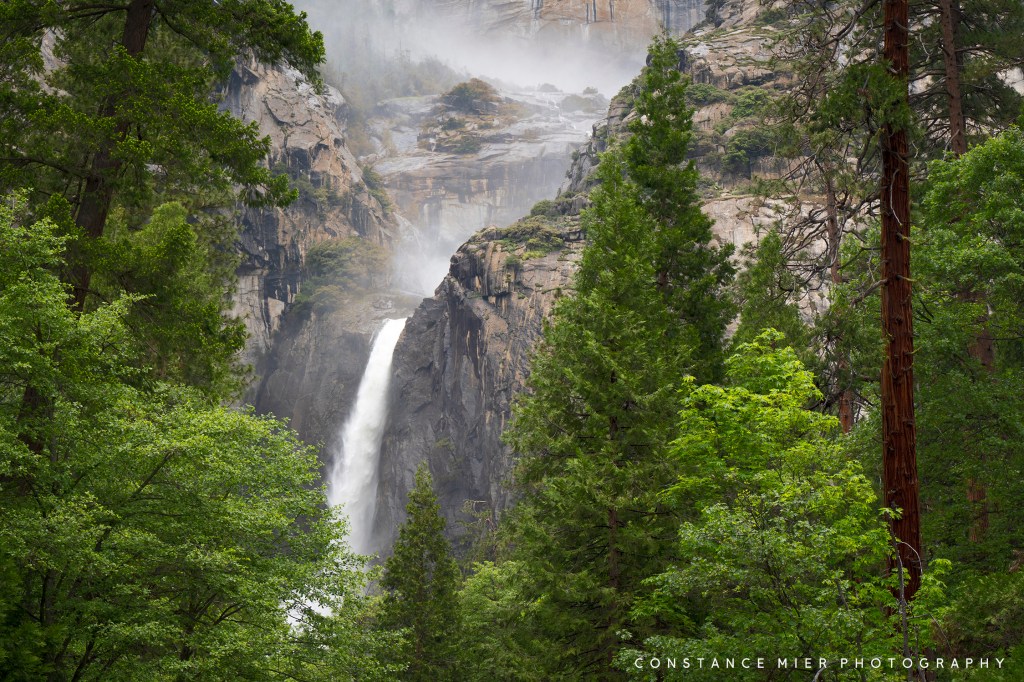
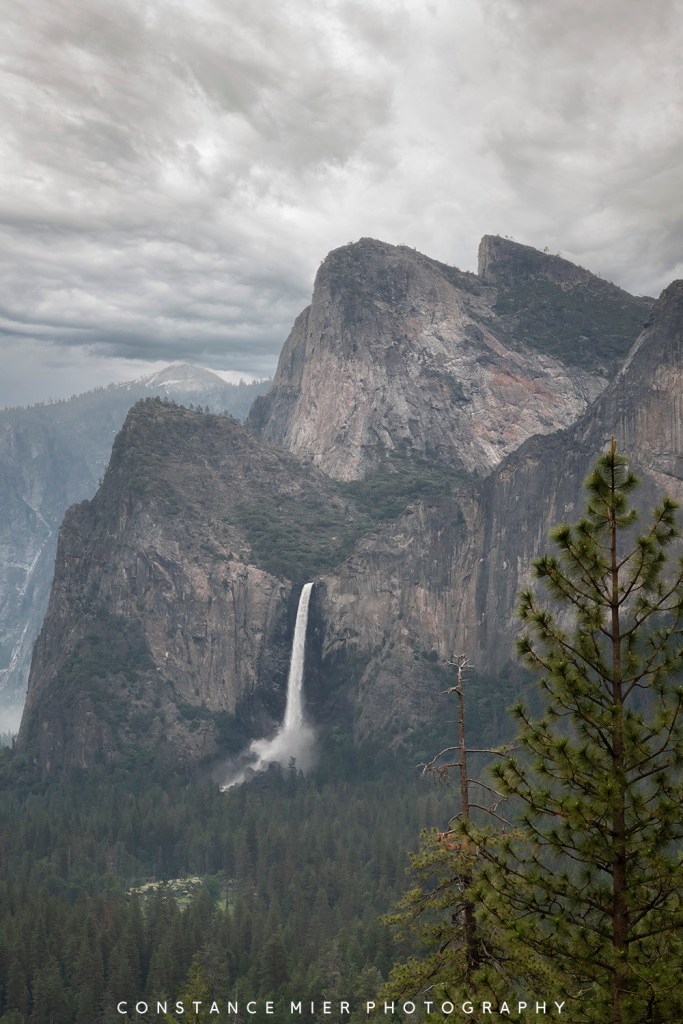
Enjoy these scenes from Yosemite Valley. Only John Muir has the words to describe the valley: “…a revelation in landscape affairs that enriches one’s life forever.”




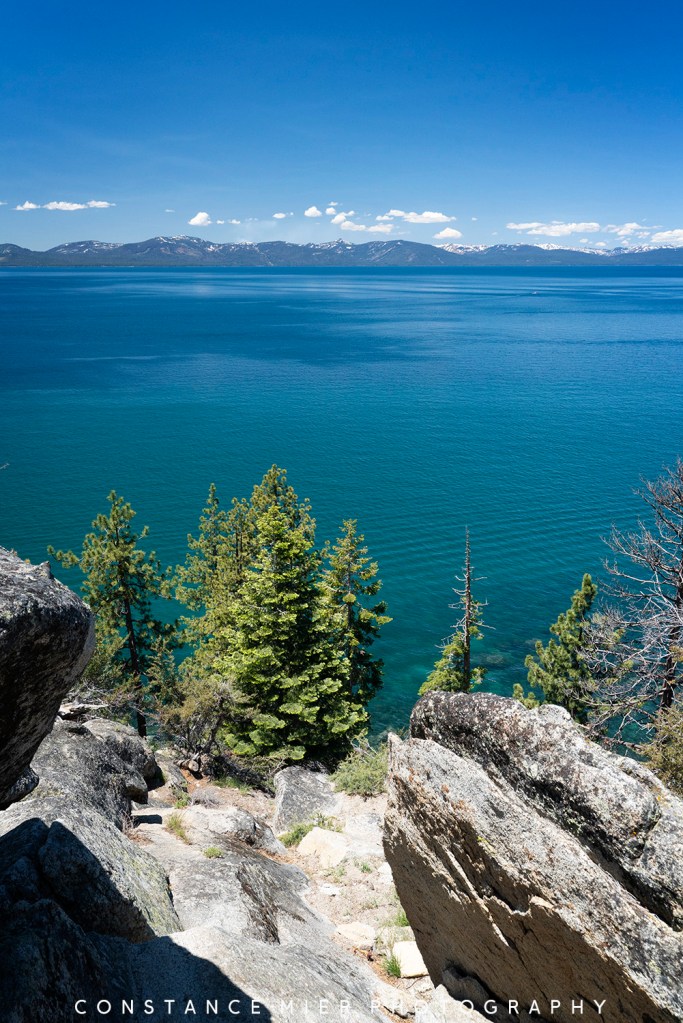
To top off our visit the Sierra, we stayed near Lake Tahoe. Enjoy these images of the U.S.’s largest Alpine Lake.


And last but not least, another RV tip for you!
No matter where you go, you need drinking water and you need to maintain the integrity of the RV water system. We do a couple things to ensure the water we drink is safe and reduce bad taste and sediments. One thing we do is attach an inline water filter to our inlet hose, it’s kind of a first line of defense. I use the Camco filters and compared to a much cheaper one that I tried, it works very well and I won’t go cheap again. I typically change it out every 3 months, sometimes less depending on locations.


 Changing Views From Our RV